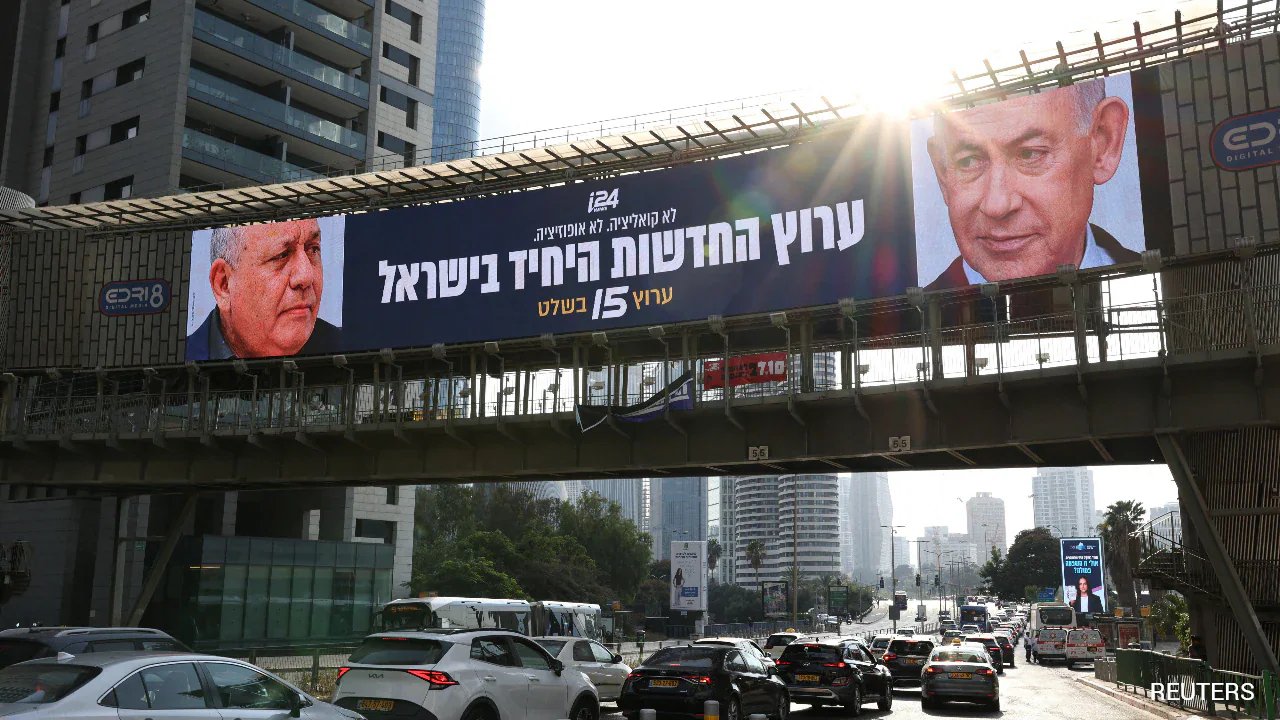
The Oct 27 vote follows the Oct 7 Hamas assault that left 1,200 Israelis dead and thousands injured, reshaping the political landscape.
The 120‑seat Knesset requires 61 seats for a majority, a threshold both Netanyahu and Eisenkot expect to cross only with the help of smaller parties.
If Eisenkot teams with centre‑left, right‑wing, and moderate parties, a coalition could unseat Netanyahu, yet internal friction over prime minister selection and policy priorities threatens unity. A Netanyahu‑led bloc could secure an outright majority, whereas a deadlock could leave the Knesset unable to appoint a stable government. A minority government might rely on Arab parties for support without formal coalition agreements.
Once results are tallied, President Isaac Herzog will convene party leaders to gauge backing and then nominate the candidate best positioned to secure a 61‑seat majority. Negotiations, as seen during the last five elections between 2019 and 2022, could span several weeks or even months.
For a Tel Aviv tech entrepreneur who has already filed a startup application, the outcome will dictate whether the new administration preserves the regulatory environment that fuels innovation. At the same time, a displaced family in Gaza, awaiting reconstruction aid, watches the ballots as a potential lifeline to stability.