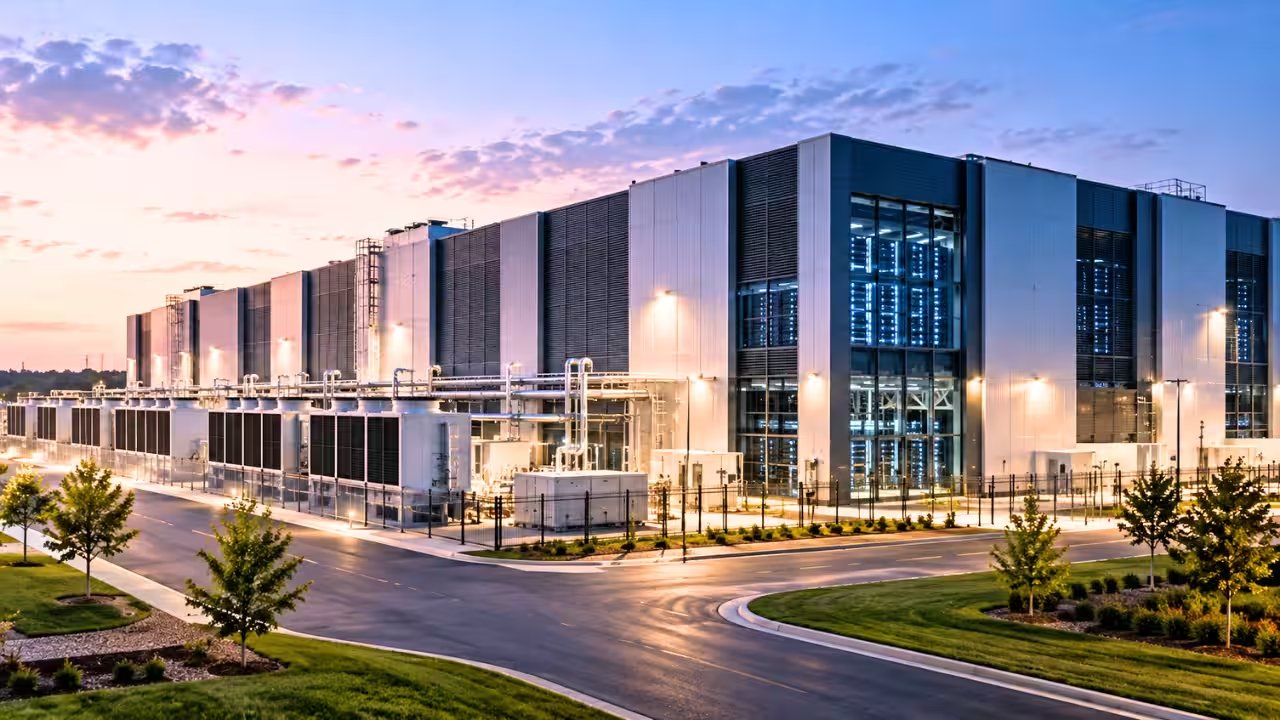
On June 5 2026, Hexa Builders filed a civil complaint in the New Jersey Superior Court, demanding more than $300 million in damages from Monroe Township after the municipality amended its zoning plan to exclude artificial‑intelligence data centres.
The dispute began in 2022 when the township adopted a redevelopment plan for the 159‑acre parcel at 3043 Black Horse Pike, initially permitting warehouses. In 2025, the plan was amended to allow data centres alongside warehouses, paving the way for Hexa's later proposals.
In April 2026, Hexa replaced a 1.6‑million‑square‑foot warehouse bid with a 1‑million‑square‑foot data‑centre concept, citing market demand. Residents in Williamstown objected, arguing the facility would strain local power grids and alter the neighborhood’s character.
On April 22, the township council passed two ordinances: one removed data centres from the site’s permitted uses, the other banned them across the municipality. The township’s attorneys said the restrictions do not violate free‑speech protections, asserting that data‑centre operations are not a form of expression.
Hexa’s lawyers contend that the township applied different procedural standards to the amended application and that the council’s actions were retaliatory. They seek a ruling that the ordinances are unlawful and that the developer’s proposal remains complete.
The case moved to the federal court in Camden on July 6, where the judge will address whether Monroe Township’s zoning changes breached the Municipal Land‑Use Law and constitutional guarantees. A decision could reshape how municipalities regulate emerging technology infrastructure across the state.