California, Texas, New Jersey and New York together host 3.7 million of the 5.2 million people of Indian origin in the United States, but only about 2.2 million of them are 18 or older and registered to vote. The concentration is uneven: 20% of the Indian‑American electorate lives in California, 12% in Texas, 9% in New Jersey and 7% in New York, with notable pockets in Virginia, Georgia, Pennsylvania and Michigan.
Pew Research Center’s 2022‑23 survey found that 68% of registered Indian‑American voters identify as Democrats, 29% as Republicans and 29% as independents. A 2026 Carnegie‑YouGov poll echoed the Democratic tilt at 46% versus 19% Republican, while also noting a rise in independent respondents to 29%. The AAPI‑Data and APIAVote 2026 Asian‑American survey, based on 242 Indian‑American respondents, reported 66% favoring Democratic congressional candidates and 22% favoring Republicans.
Economic pain, immigration policy and healthcare dominate the electorate’s priorities. An AP‑NORC poll released in October 2026 showed 80% of voters want the next Congress to focus on lowering the cost of living. In the same survey, 84% of Indian‑American respondents disapproved of President Trump’s handling of immigration, citing the 2022 visa freeze and the lack of a path to citizenship for skilled workers.
Several Indian‑origin politicians are on the ballot, ranging from the House of Representatives to a high‑profile gubernatorial race. While the party affiliation of each candidate varies, the presence of Indian‑American candidates adds a layer of relevance for the community’s own political calculations.
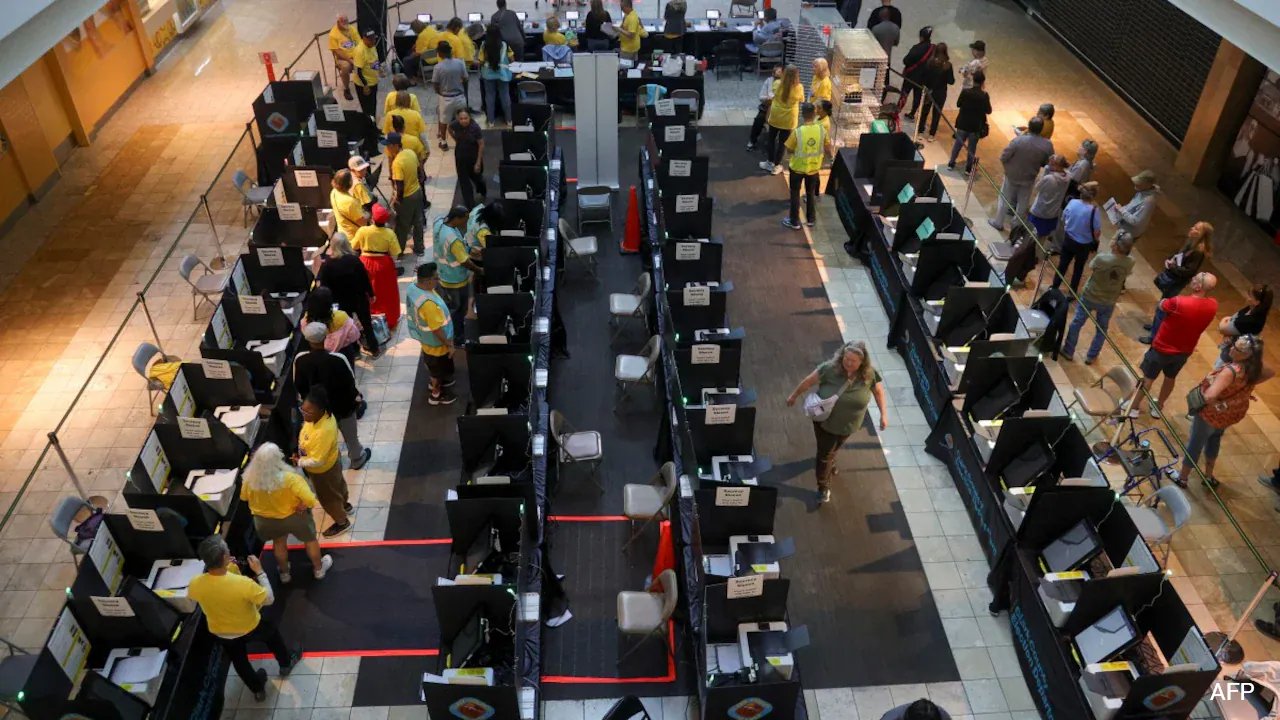
Election officials in swing districts are preparing for a surge in turnout, expecting the community’s sizable, Democratic‑leaning base to influence the outcome of closely contested seats. The final tally will be announced on November 7, 2026, when the results could shift the balance of power in the House and Senate.