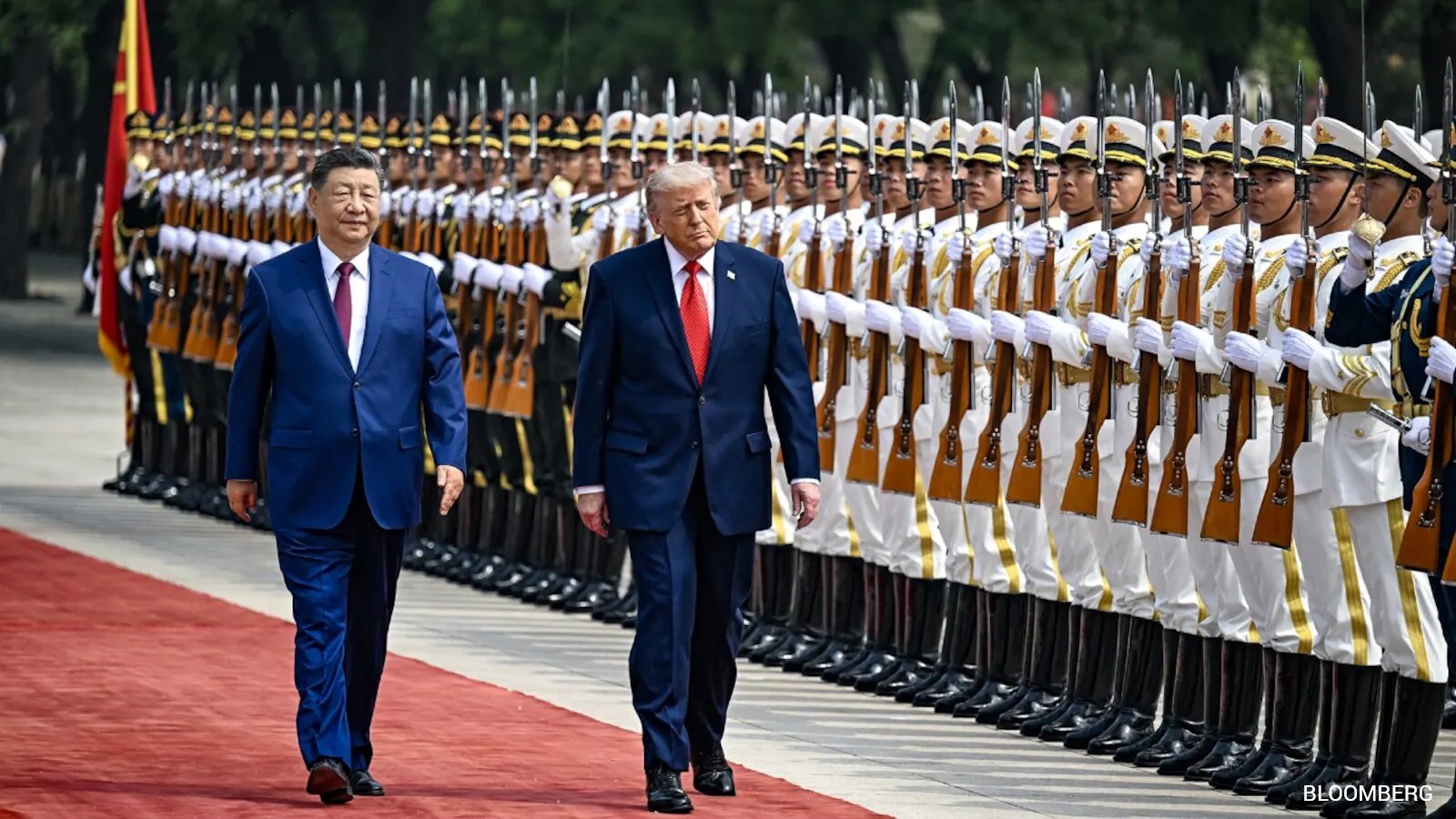
Trump’s brief, high‑profile visit to Washington on Thursday marked the first time the two leaders sat down in a year, with the U.S. tariff clampdown at a focal point
The two presidents, both aware that a pause in trade friction could calm global markets, used the meeting to press for a 7.5% duty on imported goods, a figure that follows a sharp drop from the 25% rates imposed earlier in the decade. The discussion included AI‑related export controls and China’s rare‑earth curbs that have rattled suppliers worldwide.
Trailing the Washington summit, the two sides had already laid groundwork in New York on Sunday, where Treasury Secretary Scott Bessent and Vice Premier He Lifeng met to sharpen the agenda. The talks were framed by a history of broken promises—China has been accused of flouting the 2024 trade truce, while the U.S. has postponed a report on excess capacity that could force further tariff hikes.
Don’t let the headline fool you: Trump kept the tone calm, pushing back on a report that China reportedly supplied Iran with targeting data, and maintaining a low‑profile stance on the broader tariff wall. A 7.5% duty remains the only tariff that will stay in place for the duration of the truce, a concession that many trade analysts say is designed to buy time for the U.S. to win concessions on technology.
Business owners across the nation are watching closely. A small‑firm electronics distributor in Detroit, who had to buy a shipment of microchips last month at the old 25% rate, said the new tariff would cut costs by roughly ₹5 crore next quarter.
EU officials noted that Brussels will be keeping a close eye on the outcome because the European Union is set to convene its own China talks in early October. Trade Commissioner Maros Sefcovic warned that any failure to secure tangible concessions could prompt the EU to deploy counter‑measures.
Finally, the meeting’s explicit next step is a vote on whether the one‑year truce will be extended to the end of Trump’s term or shortened to a single year. The decision is expected to be taken by the U.S. Treasury by Friday, with implications for global supply chains and future U.S. trade policy.