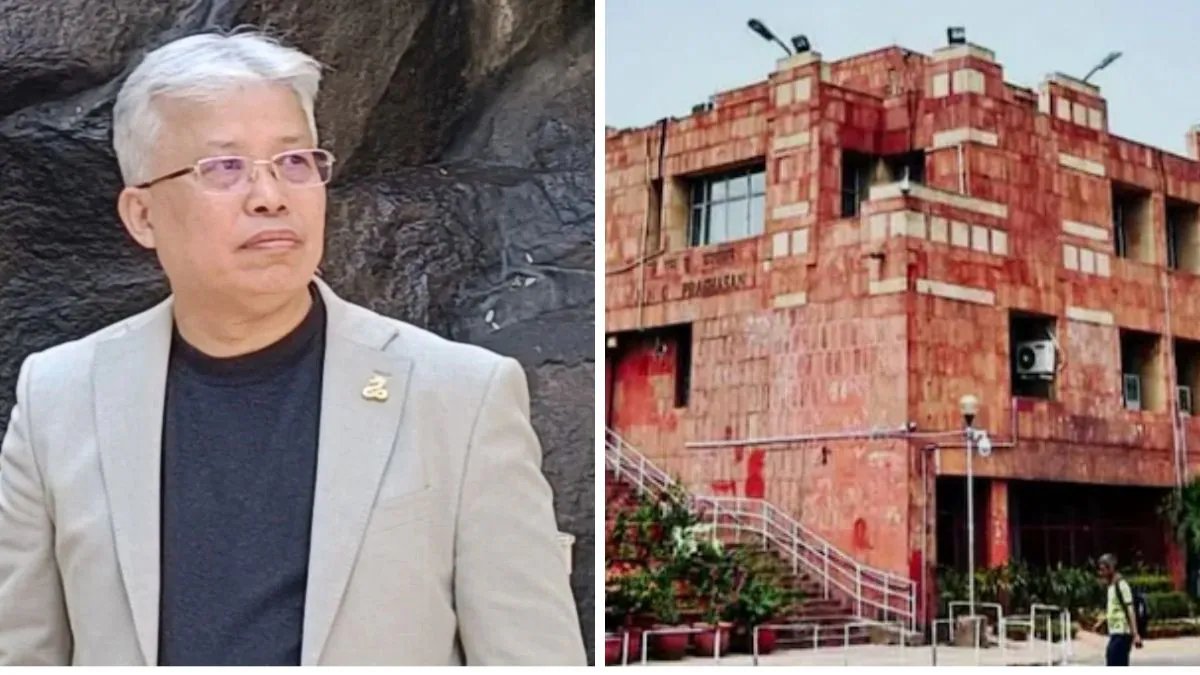
The University of Delhi’s Internal Complaints Committee, after a month-long probe, found Akoijam guilty on nine of the eleven accusations lodged by women students, leading to his immediate dismissal from JNU. He claims the accusations stem from his outspoken criticism of how the state government handled the ethnic conflict in Manipur, labelling the filing a political weapon.
But Akoijam insists he fully cooperated: he submitted a written response on May 31, appeared before the committee on July 16, and had witnesses testify on August 14. He further alleges that the university’s Vice‑Chancellor, Santishree Dhulipudi Pandit, misrepresented the volume of emails he received—reporting around 300 when he actually saw only 40‑43.
In the wake of the dismissal, the BJP has called for his removal from the Congress party, accusing him of staying in Manipur to avoid the Delhi case. He dismisses the claim as a witch‑hunt and refutes the allegation that Rahul Gandhi was protecting him, accusing the ruling party of dragging the former into the controversy to deflect from its own leadership issues.
He warns that silencing him could ignite fury in Manipur, saying, "Hundreds and thousands of Bimols will rally," and that the unrest could deepen public anger beyond party lines. The case filed against him in Delhi will now be heard by a civil court, setting the stage for a high‑stakes legal showdown.