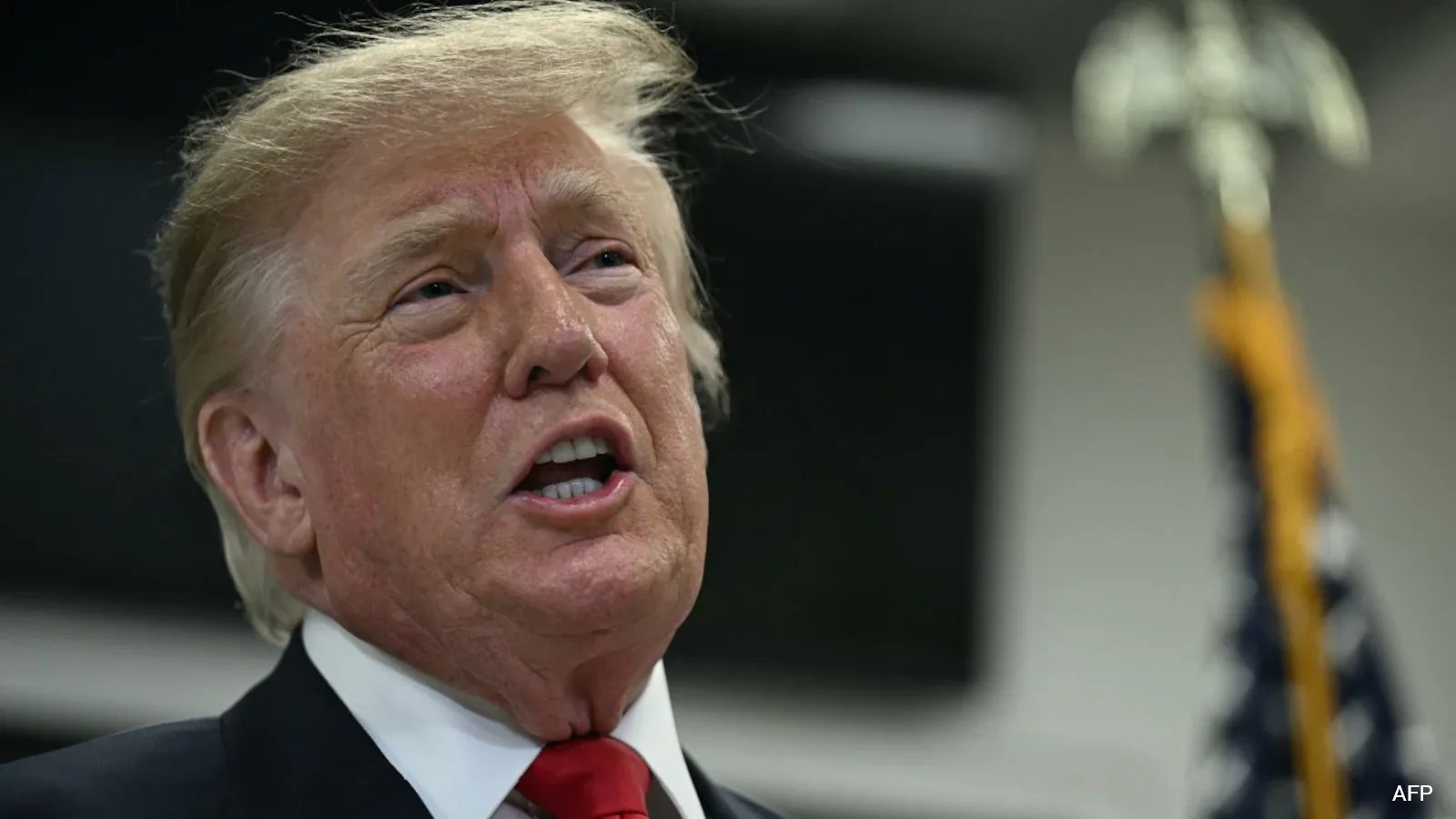
President Donald Trump left reporters hanging on Saturday, refusing to rule out a kinetic strike on Iran as soon as Sunday. Speaking after casting his ballot in Florida, the President deflected a direct question about imminent military action by calling the inquiry "stupid," before admitting the US was "thinking about" hitting Tehran. "Maybe tomorrow... There's a possibility I will," he said, a remark that sent shockwaves through diplomatic channels in Washington and Riyadh.
The hesitation isn't accidental. Trump has historically preferred the threat of overwhelming force to the reality of prolonged ground warfare. Yet, his words hinted at a dual-track strategy: the sword and the olive branch. "There's also a possibility we'll have a nice, big, beautiful agreement," he added, noting that Tehran wants a deal but questioning whether they can actually hold one. This push-pull mirrors the volatile dynamics of the past eight months, where ceasefires have crumbled just as quickly as they were signed.
Context matters here. The current stalemate follows the collapse of the 14-point deal signed by Trump and Iranian President Masoud Pezeshkian on June 17. That agreement, which promised an immediate cessation of hostilities, was declared "over" by Trump on July 8. Tehran suspended the memorandum a week later, accusing Washington of violating every commitment. Since then, the region has simmered, with US envoy Tom Barrack confirming on Friday that a strike this weekend was "absolutely" possible.
The stakes extend far beyond military bases. The war, which ignited on February 28 with joint US-Israeli strikes that killed Supreme Leader Ali Khamenei, has already shuttered the Strait of Hormuz, the world's most vital energy conduit. Oil prices remain volatile, and the threat of renewed "Epic Fury" operations could send them higher. For now, the world watches the weekend closely. A missile launch or a signed document—either could happen by Monday morning.