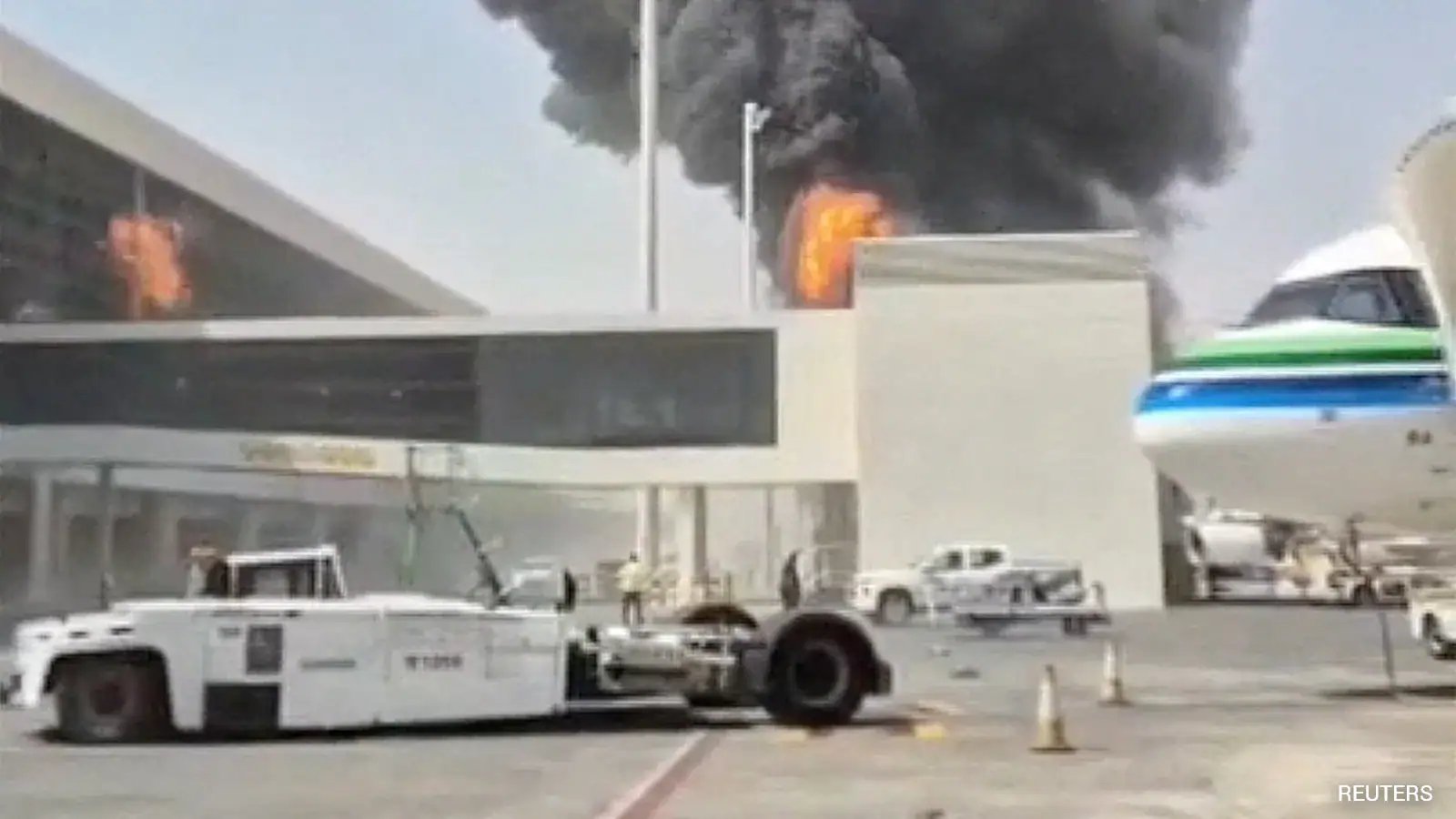
King Khalid International Airport posted on X on Saturday that Terminal 1 would handle domestic flights and Terminal 2 would serve international routes by national carriers, effective Sunday. The announcement marked the airport's first operational day since the closure began in early October.
The shutdown followed a series of Houthi strikes on the airport. The latest raid killed 13 people and wounded more than 300, the deadliest in Saudi territory in more than a decade.
Houthi military spokesman Yahya Saree warned that the airport remains a military target and unsafe, urging airlines and passengers to avoid it. The Yemeni Armed Forces echoed the warning, advising all airlines and travellers to steer clear of King Khalid Airport.
Saudi‑led coalition forces reported early Sunday that they had shot down two drones in the Riyadh area, a move that underscores the kingdom's heightened security posture.
The reopening comes amid a broader shift in regional security, as U.S.-Iran tensions spotlight the Yemen conflict and its humanitarian toll. A displaced family from Taiz, Yemen, said they hope the resumed flights will help them reach humanitarian aid in the capital.
Saudi authorities will maintain close monitoring of air traffic and may impose additional restrictions if further Houthi attacks materialize.