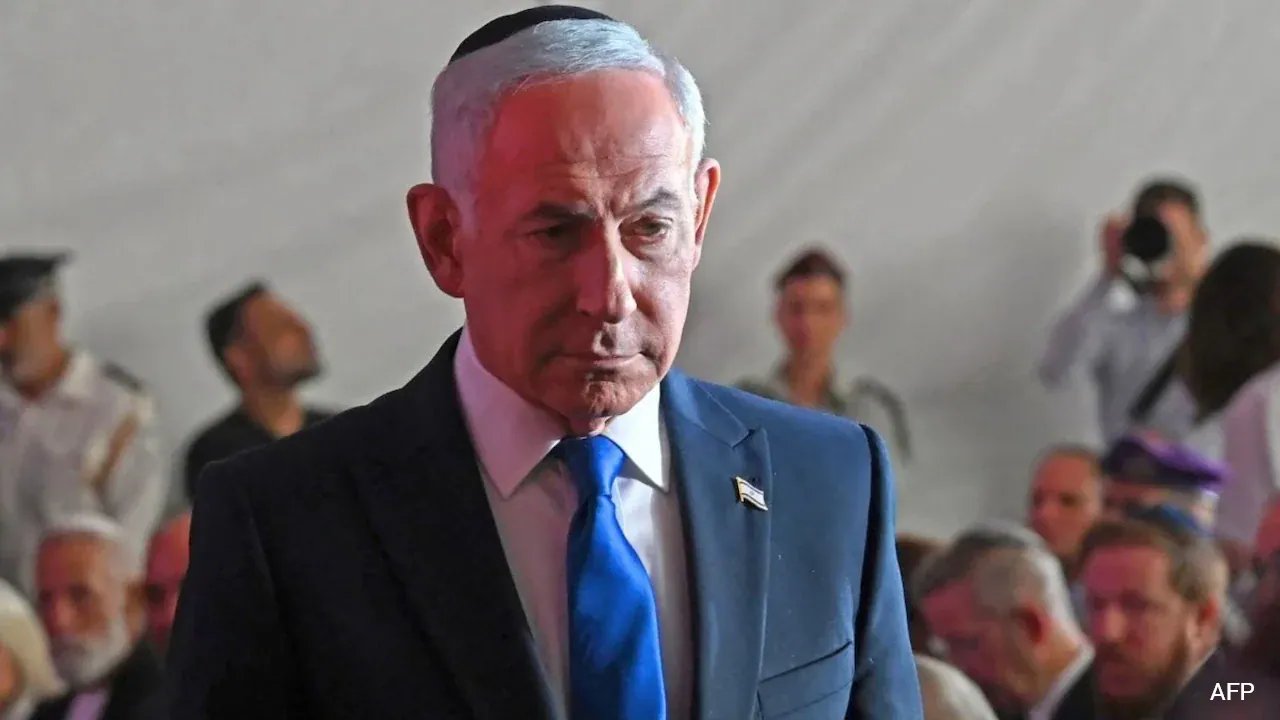
Israel’s 26th Knesset election, the first since the Oct 7 Hamas assault, opens at 7 a.m. on Oct 27 and closes at 10 p.m., with all 120 seats up for grabs in a single nationwide ballot.
The vote is the most consequential in the Jewish nation’s 78‑year history, as Likud’s 14‑year grip on power and its dependence on ultra‑Orthodox parties could be overturned if the party falls short of the 61‑seat majority threshold.
President Isaac Herzog will convene the elected leaders within seven days to appoint a Knesset member—usually the party with the most seats—to form a government. That member has 28 days, extendable by 14, to negotiate a coalition that meets the 61‑seat requirement.
The electoral system mandates a 3.25% vote share for parliamentary entry, so roughly ten parties are expected to cross the threshold. Voters select a party list, not individual candidates, and the proportional allocation of seats can leave no single party with a majority.
Likud’s chief rival is former Chief of Staff Gadi Eisenkot, who heads the centrist Yashar party, and former Prime Minister Naftali Bennett, who leads the right‑wing New Hope coalition. Meanwhile, Netanyahu faces international criminal court scrutiny over alleged Gaza war crimes and an Israeli corruption trial, which his supporters dismiss as political persecution.
Results are slated for Nov 4; a clear winner will trigger the coalition‑building process, while a hung parliament could trigger a second election. The next steps will hinge on which parties can forge a 61‑seat alliance and whether Netanyahu can maintain his coalition with the ultra‑Orthodox factions.