The original complaint, filed on August 3, 2005, alleged that V. Rao, then Divisional Security Commissioner of the Railway Protection Force, demanded a bribe from subordinates seeking transfers and postings. The Central Bureau of Investigation (CBI) lodged an FIR the next day and executed a sting operation that same day, a move that prosecutors argue was too rapid to gather conclusive evidence.
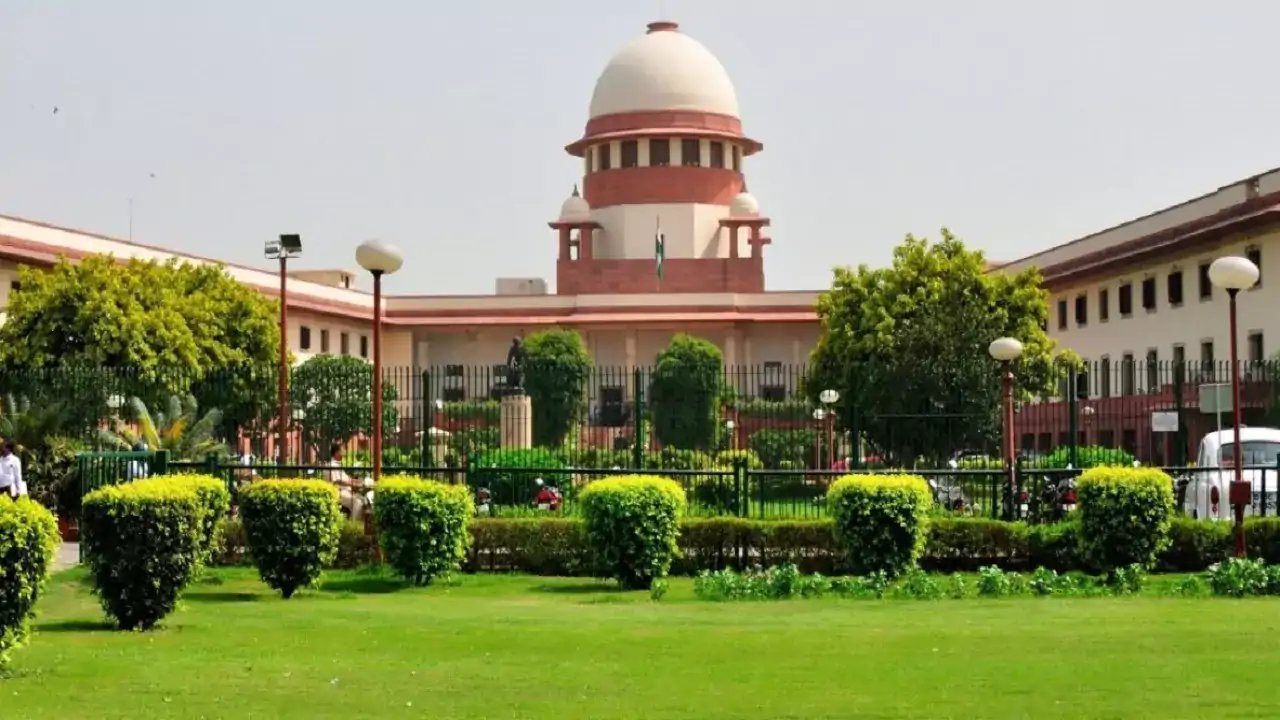
The Supreme Court bench, led by Justices Dipankar Datta and N. Kotiswar Singh, found that the trap was not allowed to run to its full course and that the recovered cash could not be shown to have reached Rao. In its opinion, the judges described the CBI’s haste as a 'serious lacuna' that ultimately benefited the accused.
The Court’s decision underscores the Prevention of Corruption Act’s requirement that mere transfer of money is insufficient; proof of demand and acceptance is paramount. By acquitting Rao, the Court clarified that the CBI must observe a longer, more thorough investigative process before securing a conviction.
For RPF subordinates who testified, the verdict means a potential revisit of their testimonies and the status of their own service records. The Supreme Court’s ruling is now expected to be cited in future corruption cases, prompting the CBI to reassess its sting‑operation protocols.
The case, closed by the Supreme Court, sets a new benchmark for investigative rigor. The next step will involve the CBI reviewing its procedures to prevent similar lapses, while the Railway Protection Force monitors the impact on internal disciplinary actions.