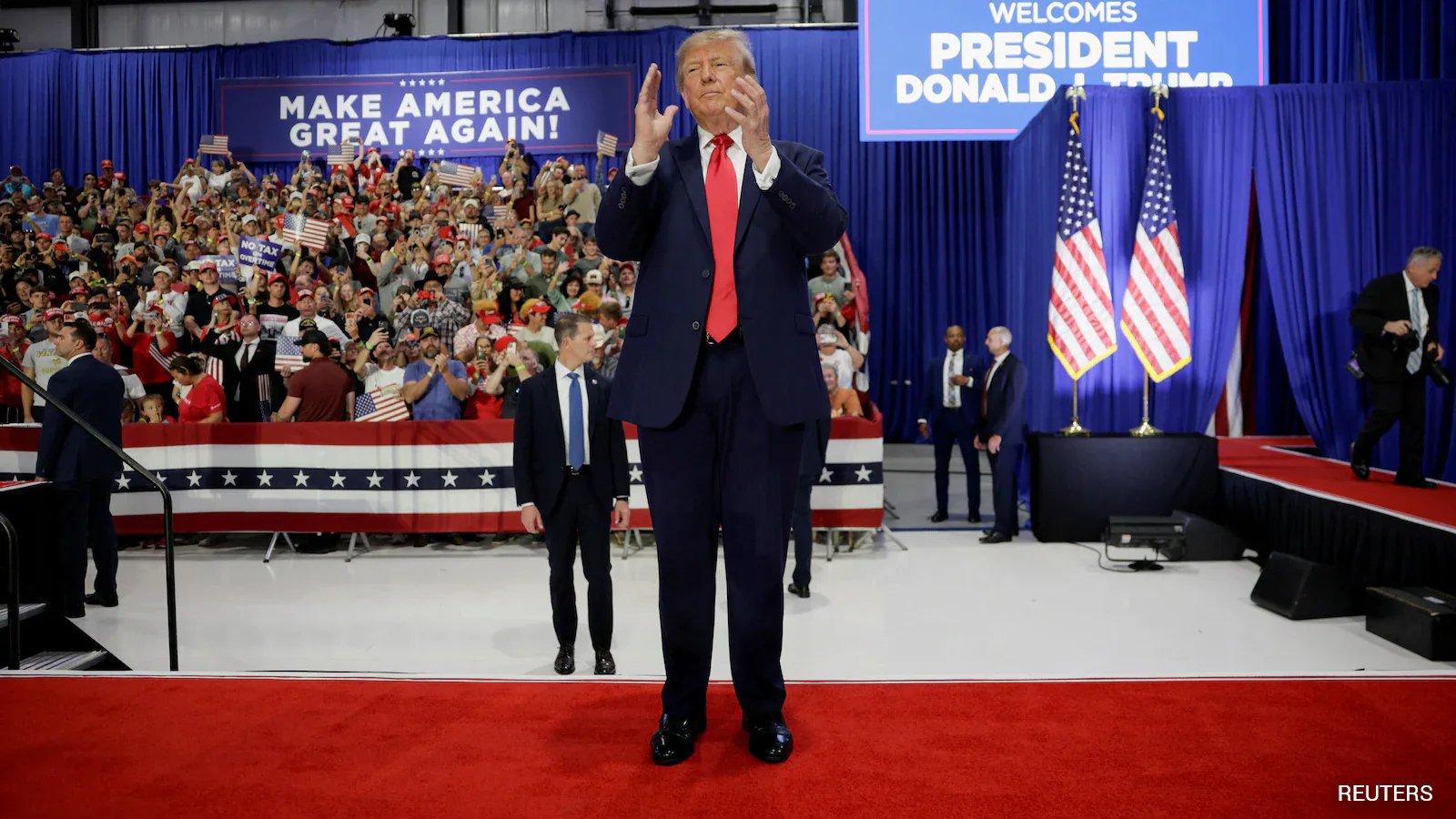
Trump’s cross‑country blitz is a spectacle of sound‑stage politics. Over the past month he’s lit up stages in Dallas, Kentucky, and countless other cities, turning every venue into a shrine of his brand. The rallies are packed—tens of thousands of supporters chant his name while he delivers half‑hour monologues about ‘winning’ and ‘protecting’ the nation.
EMILY’s List president Jessica Mackler called the rallies a ‘win’ for Democrats, noting that each event gives Republicans a boost that Democrats can’t match. She said, ‘Every time there’s another Trump event, we look at that as a win.’ Her words echo a broader partisan backlash.
Behind the roar of applause, the money trail is staggering. Trump’s allies have funneled at least $277 million into Republican campaigns since September 1, while MAGA Inc. still sits on $416 million in its bank account. Even more controversial is the use of taxpayer money to air self‑promo spots almost identical to a 2024 ad, a move that raises questions about the limits of presidential influence.
The political calculus is uneven. A recent AP‑NORC poll shows only 17 % of U.S. adults approve of Trump’s handling of the cost of living, a figure that has dropped amid rising fuel prices linked to the Iran war. The GOP’s aggressive fundraising may not translate into electoral gains, especially in swing districts where voters are wary of the former president’s divisive rhetoric.
The Republican National Committee will now sit down to assess whether the $277 million haul and the relentless rally schedule can turn the tide before the November 5 election. The outcome of that deliberation will shape the party’s strategy for the final weeks of the campaign.