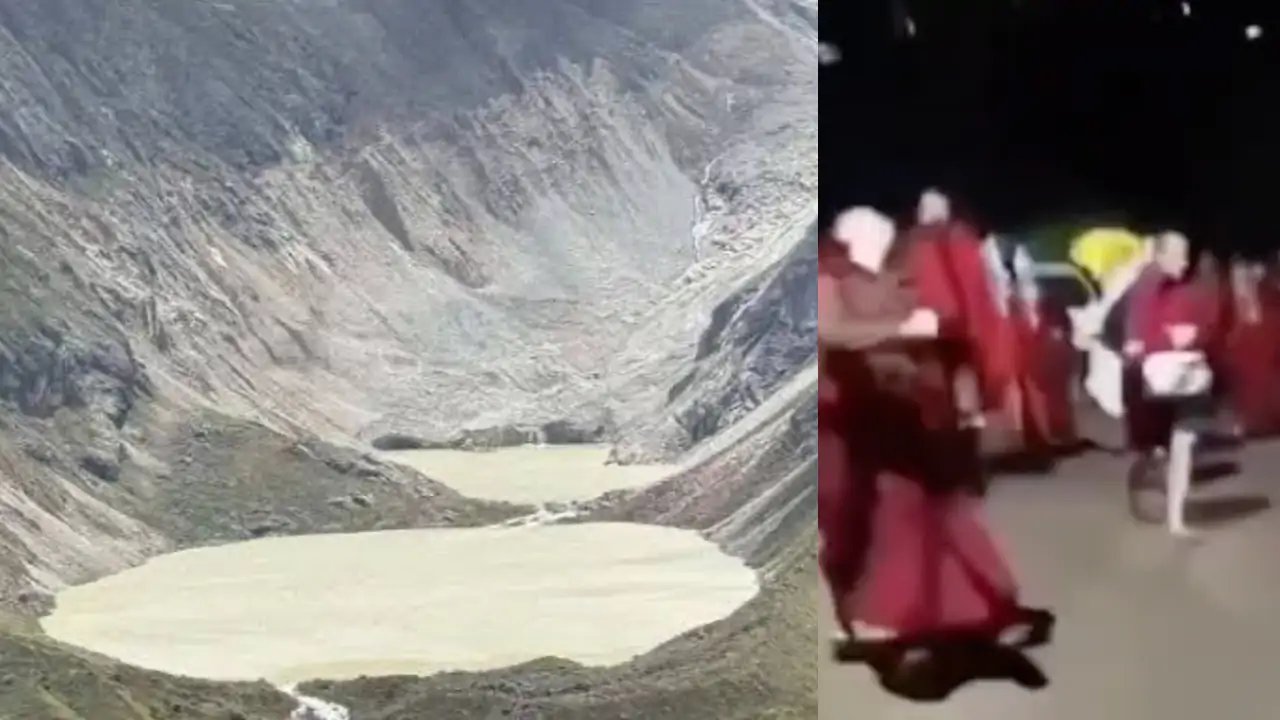
West Bengal authorities evacuated nearly 5,000 residents from Alipurduar district and moved more than 6,000 others to safer zones after a glacial lake outburst in Bhutan triggered flash flood warnings. The displacement, carried out under the coordination of the National Disaster Response Force and State Disaster Response Force, saw families shift into school buildings and temporary shelters across the district.
The trigger was a special advisory issued by the Central Water Commission on Thursday, October 29. The CWC reported that the Indian Embassy confirmed a GLOF at Shintaphu Lake on the Punatsangchhu river in Bhutan—a waterway known as the Sankosh in India. The advisory warned that floodwaters would travel downstream, reaching the India-Bhutan border within 6 to 8 hours before impacting Alipurduar and Dhubri.
In Assam, Chief Minister Himanta Biswa Sarma has personally monitored the situation as the Dhubri district administration prepares for downstream impact. Data from the CWC’s Golokganj flood forecasting station showed the Sankosh steady at 27 meters as of 6:30 am on Friday. This reading sits well below the warning level of 29 meters and the danger threshold of 30 meters, with readings remaining flat since Tuesday.
Residents near riverbanks and in low-lying areas across both states have been instructed to avoid riverbeds and follow local administration directives. Bhutan’s National Centre for Hydrology and Meteorology is tracking water levels in the Mochu sub-basin at Tashithang, keeping Indian authorities updated. Authorities in both states continue to monitor river levels as they assess the full scale of the Bhutan GLOF's downstream reach.