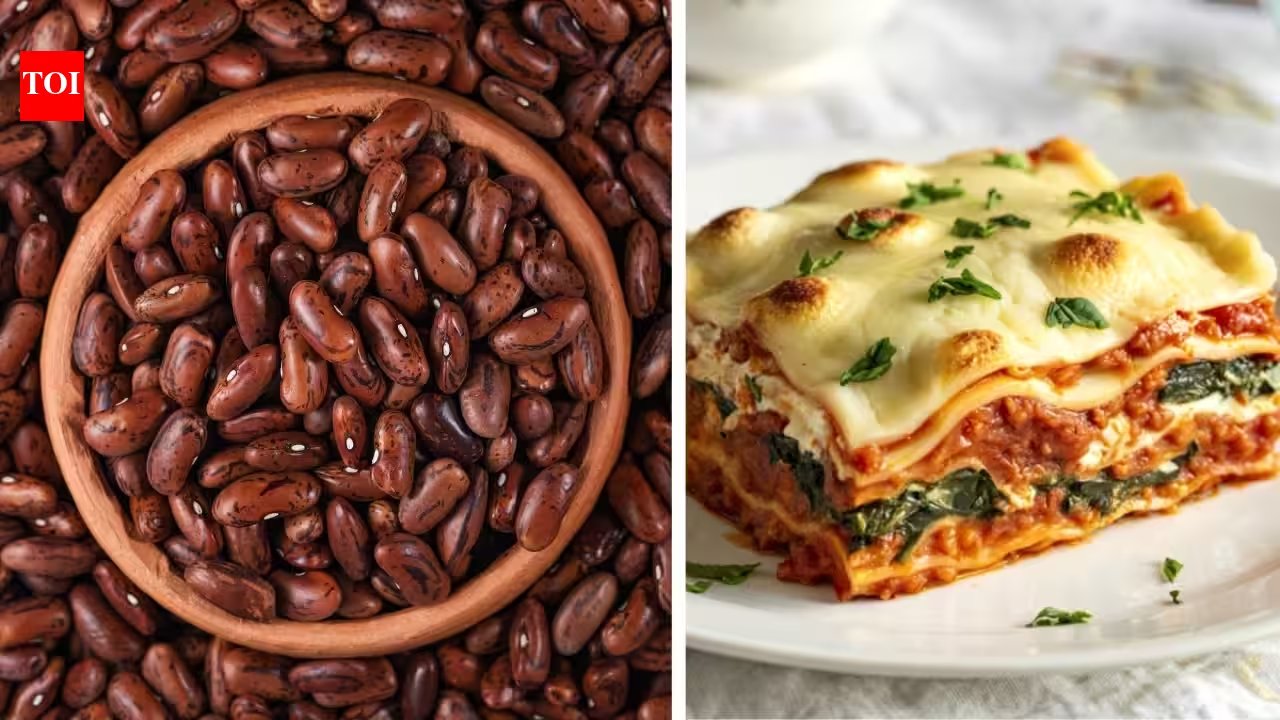
That bowl of leftover rajma in your fridge is not second-best dinner. It is actually prime eating.
When cooked beans and aromatic gravies chill overnight, something chemical and delicious takes over. Starch seeps out from kidney beans and chickpeas, naturally thickening the surrounding tomato masala while whole spices gently mellow. Sharp edges soften. Pungent ginger, garlic, and cumin stop competing and finally meld into a rich, unified sauce that clings to every bite. What tasted like a quick weekday curry last night turns into a deeply concentrated feast by lunchtime. Pair it with warm roti or crisp kulchas, and yesterday's pot immediately outshines day one.
The same rule rewards layered and slow-cooked dishes. Take freshly baked lasagna: straight out of the oven, it is a molten, slippery spill of ricotta, melted mozzarella, and marinara that collapses the second a spatula touches it. Rest it overnight in the refrigerator, and the structure tightens. The sheets of pasta drink in moisture from the meat and tomato sauce without turning to mush, leaving you with neat, bakery-grade squares that reheat cleanly without falling apart. Rich meat stews and slow-simmered vegetable broths undergo a matching transformation as braised proteins and root vegetables continue to soak up seasoned broth long after the stove clicks off.
Then comes biryani. Refrigerator cold can dry out long-grain basmati, turning fragrant grains stiff if you are careless. Yet chilled rest lets saffron, ghee, and whole garam masala disperse uniformly through every layer of meat and rice. The fix for lost moisture is simple: splash a couple of tablespoons of water over the rice, seal the vessel tightly with a lid or foil, and steam it on low heat. The trapped steam re-hydrates the starch, restoring fluffiness in under ten minutes.
Proper refrigeration makes or breaks the magic. Warm curries left sitting on a counter turn sour fast, inviting bacteria before flavours even have a chance to settle. Official food safety standards draw a clear boundary: get cooked dishes into airtight containers and inside the refrigerator within two hours of cooking. If your kitchen runs hot in peak summer, cut that window down to a single hour. When you are ready for round two, skip tepid microwaving. Reheat curries until bubbling throughout, spoon them over hot rice, and let yesterday's cooking do the heavy lifting.