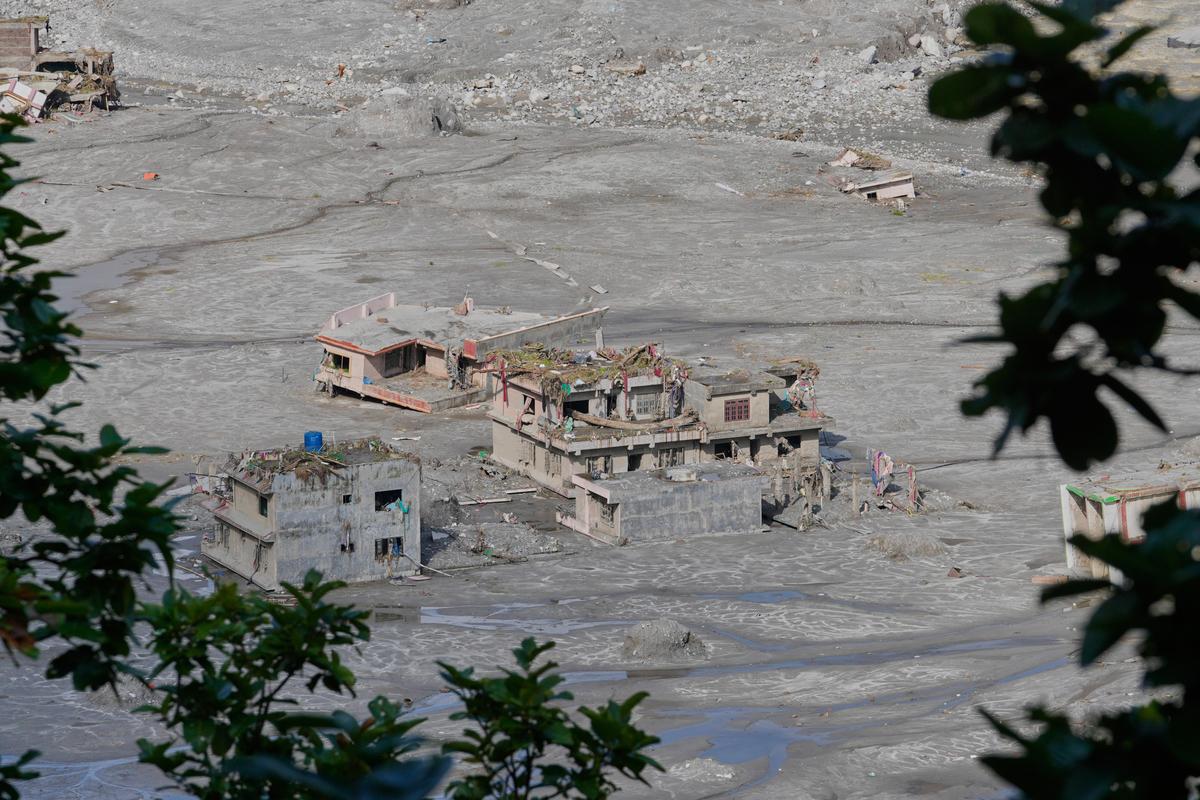
The water rose fast, and the toll was catastrophic. In August 2026, torrential floodwaters surged through Nepal, killing thousands of people in a disaster driven directly by global climate breakdown. The deluge marks South Asia’s deadliest environmental shock since the 2022 floods submerged vast swaths of Pakistan. Nepal refused to beg.
Survivors and advocates are bypassing standard diplomatic appeals and mounting an aggressive legal push. They are demanding financial restitution from the world’s three largest greenhouse gas polluters—China, the United States, and India—over the fatal flash flood in Rasuwa. The argument discards traditional aid frameworks entirely. This is not charity; it is moral liability. Himalayan communities generate almost none of the historical emissions heating the planet, yet they absorb the deadliest impacts when swollen glacial river basins burst.
And the stakes extend far beyond emergency rebuilding funds. Establishing cross-border liability against sovereign superpowers would dismantle decades of stalled international loss-and-damage negotiations. If Nepalese claimants successfully establish jurisdiction and extract damages from Beijing, Washington, or New Delhi, the Rasuwa catastrophe will set the template for climate-ravaged nations across the Global South.