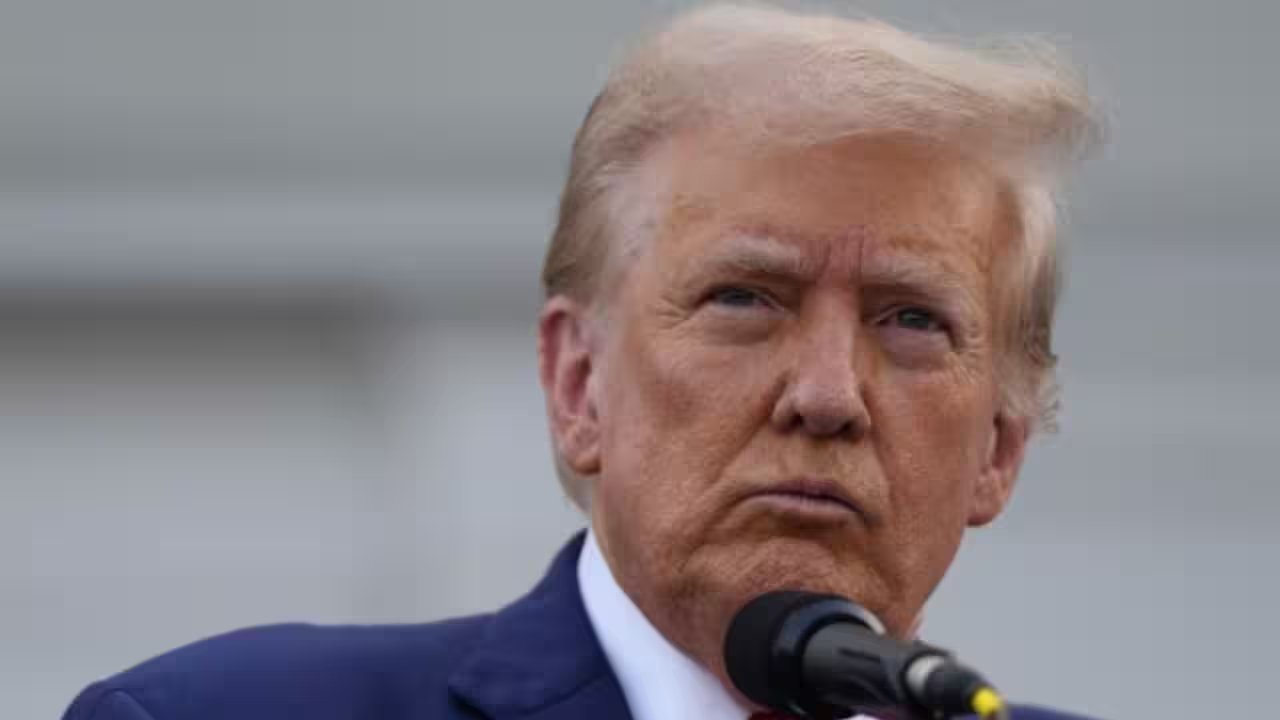
Donald Trump declared a Republican victory in Guam a leading indicator for the November 3 midterms, posting congratulations to governor-elect Tony Ada on Truth Social. The President, who typically avoids commenting on local races until results are certified, specifically highlighted the upset in a territory historically leaning Democrat. “Guam, which has always been considered strongly Democrat, just had an early call for a REPUBLICAN Victory in the top spot,” Trump wrote. He followed with a pointed comment on the broader implications: “Wow, hopefully that’s an indication for things to come!”
The margin was razor-thin. Unofficial tallies reported by local media show Ada and his running mate received 15,945 votes, or 51.45%, against 14,925 votes, or 48.15%, for the Democratic ticket. Republicans also secured eight of the 15 seats in the territory's unicameral legislature, flipping the majority from the Democrats who held it since 2016. This legislative shift ends the eight-year Democratic hold on the governorship, which outgoing term-limited leader Lou Leon Guerrero had maintained.
Yet the picture is not entirely one of Republican dominance. In a split result, Democrat Alicia Limtiaco defeated Republican incumbent James Moylan for Guam's delegate seat in the US House. Limtiaco, a former attorney general, garnered 15,645 votes (51%) to Moylan's 14,983 (48.84%), according to The Wall Street Journal’s final unofficial count. Moylan had won the seat in 2024 with 52.7% of the vote, making Limtiaco's lead a significant Democratic gain in congressional representation. However, this delegate seat carries no voting power on final House legislation, meaning it does not alter the chamber's balance of power.
Guam, an unincorporated US territory in the western Pacific, presents a unique political landscape. Its residents are US citizens but cannot vote in presidential general elections. They elect their own local leadership and a non-voting delegate to Washington. Trump’s reference to a “State Senate” majority in his post actually pointed to the territorial legislature, a distinction that often confuses outside observers. The mixed outcome—Republican control locally, Democratic control federally—complicates the narrative of a sweeping partisan wave.
The Guam Election Commission has not yet certified these figures. The official final tabulation is scheduled for November 19, once all absentee ballots are processed. Until that date, the results remain provisional, and the political temperature in the territory will likely continue to simmer as both parties claim partial victories.