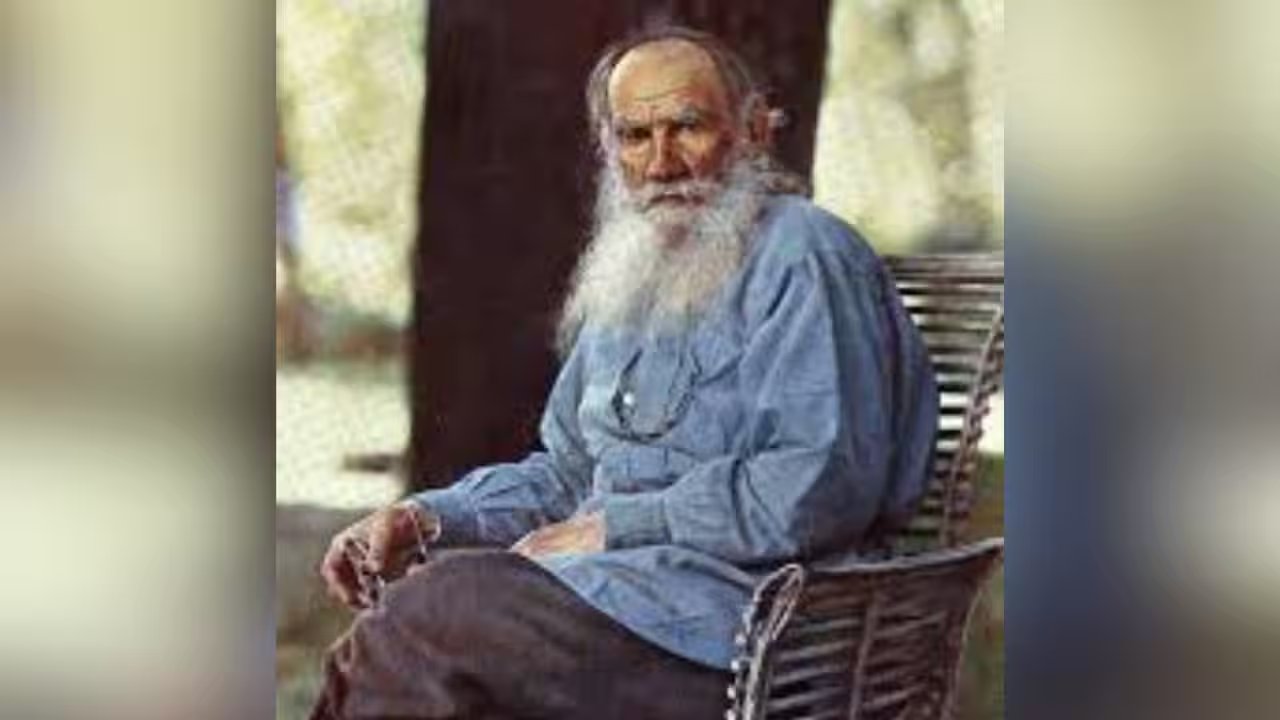
Facing reality when life spirals starts with refusing to bend basic math. "Even in the valley of the shadow of death, two and two do not make six." The maxim, penned by Russian novelist and thinker Leo Tolstoy, lays down an unyielding life rule: facts do not soften simply because we are terrified.
Wishful thinking solves nothing. When panic sets in—whether a patient scans a grim medical report, an earner drowns in mounting debt, or an anxious crowd searches for an easy escape—the human mind scrambles to rewrite the scoreboard. We plead for an impossible sum. But Tolstoy, who spent his later years examining questions of morality, faith, and simple living after authoring War and Peace and Anna Karenina, warned that pain cannot alter the baseline. Suffering does not inflate the arithmetic. Truth does not bend because we are afraid.
The first half of the line pulls directly from the 23rd Psalm, leaning on the biblical image of the valley to summon life's rawest trials: fear, grief, and imminent loss. The back half snaps back with cold, indisputable elementary school arithmetic. Place two plain numbers side by side, and anyone—from a primary schoolchild to a retired professor—spots the difference immediately. Yet extreme pressure tempts people to look away, stay silent, and pretend six is on the table.
And holding the line costs something. Saying two and two make four draws quiet nods in an orderly classroom. It demands rare grit when an entire room insists on six. Tolstoy applauded the raw courage required to defend unvarnished reality when distortion feels far safer. Honesty matters most precisely when the personal price tag spikes.
Modern feeds amplify the exact opposite instinct. Digital platforms routinely reward sensational claims over verified reality, driving people during emergencies to swallow whatever easy story soothes their nerves fastest. Tolstoy's line acts as a steady handbrake against that stampede. When pressure mounts, pause, run the numbers, and refuse to trade hard facts for temporary comfort.