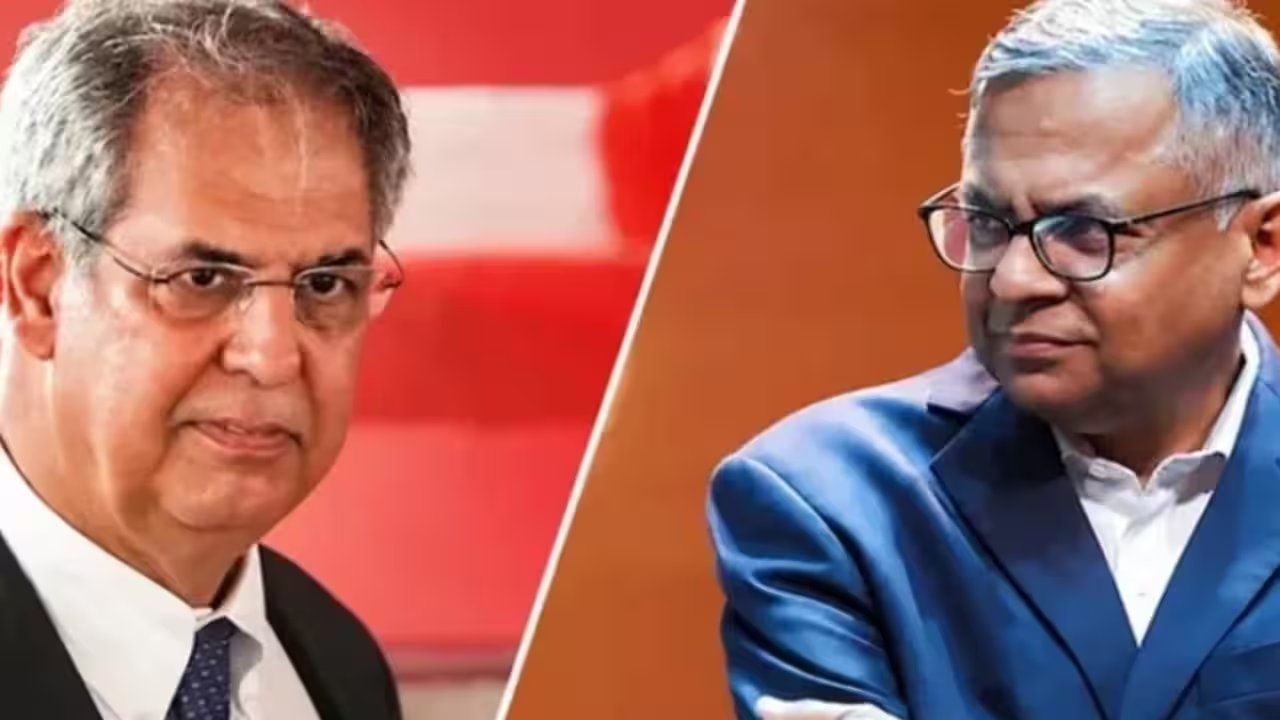
On May 28, 2026, Mehli Mistry wrote to TEDT’s board saying the organisation would not shoulder the legal costs arising from a clash with Tata Sons. The letter also urged that her objection be formally recorded at the next board meeting.
The dispute stems from a board resolution that approved a new five‑year term for Tata Sons’ chairman N Chandrasekaran, a decision the trustees say was imposed from outside the trust. The resolution was signed unanimously by Noel Tata, Mehli Mistry and other trustees last year, and it was then forwarded to the Tata Sons board.
TEDT, set up by the late Ratan Tata in 2008, holds a corpus of ₹5,600 crore but, unlike the Sir Ratan and Sir Dorabji Tata Trusts, it does not own any shares in Tata Sons. In the Cyrus Mistry case, the combined Tata Sons and trusts spent about ₹200 crore on legal fees, with the trusts contributing roughly ₹50 crore.
Mistry’s description of the dispute as "created" reflects the trustees’ view that the resolution was not a natural outcome of governance but a manufactured decision to secure a public listing to comply with RBI norms. A regulatory ban on the Sir Ratan Tata Trust, which restricts its use of funds when it breaches the Maharashtra Public Trusts Act, complicates any financial liability allocation.
The next board meeting, set for June 15, 2026, will decide whether TEDT will contribute to the legal battle. If the trustees vote against it, the legal costs could fall solely on Tata Sons, potentially reshaping the trust’s financial exposure and its role in Tata Sons’ governance.
A senior legal officer at TEDT, who asked to remain anonymous, said the trust’s legal budget has been stretched by past conflicts and that the current dispute could strain its resources further.