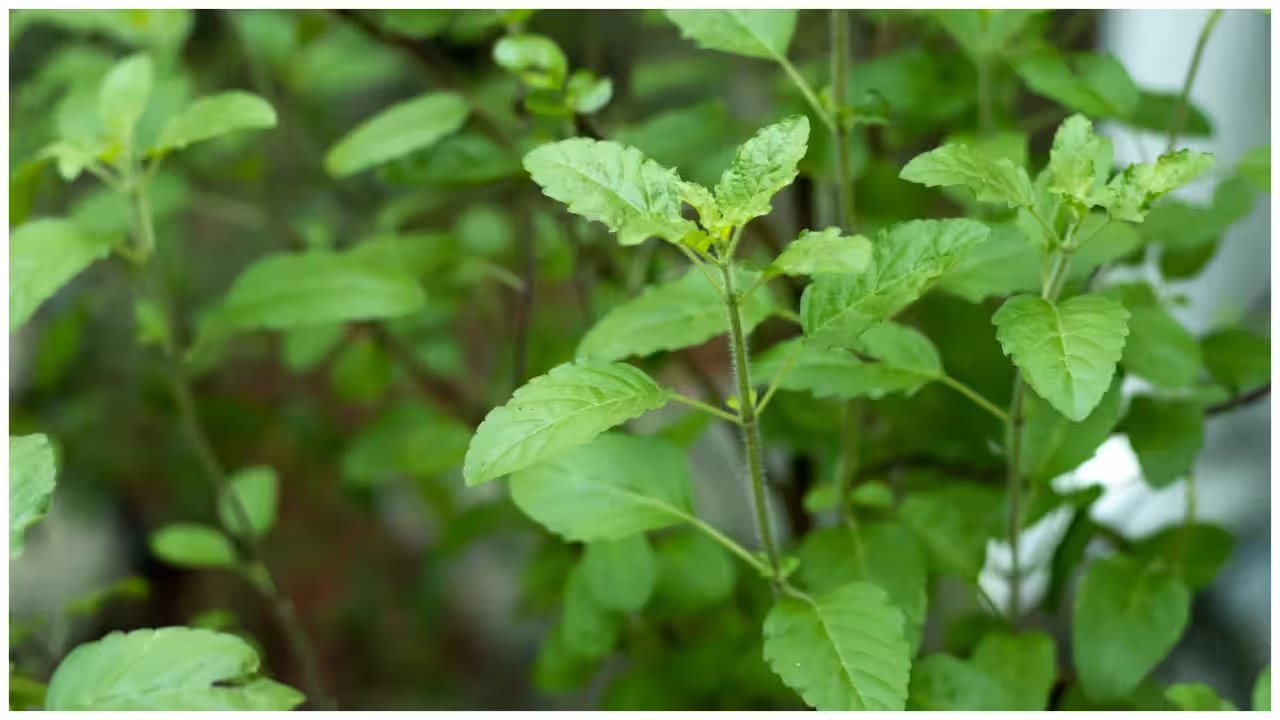
Move your potted Tulsi to an east- or south-facing balcony today. Cold weather stunts holy basil, and without immediate adjustments, the drop in temperature will turn its lush foliage brown within days. Tulsi thrives in tropical warmth—ideally between 20°C and 38°C. When mercury levels plunge below that bracket and winter shortens daily daylight, growth stalls completely. A single frosty dawn can kill the plant outright.
Yet saving it requires no fancy equipment or costly greenhouse gear. The biggest winter mistake gardeners make is overwatering out of habit. Cold soil dries slowly. When roots sit submerged in damp, chilly mud, they rot. Push your index finger an inch deep into the dirt before touching the watering can; if the soil feels damp, walk away. When you do water, do it early in the morning using room-temperature water. Frigid tap water shocks the root system, while evening moisture encourages fungal rot overnight. Ensure your drainage holes remain completely clear.
Light is your plant's lifeline during the shortest days of the year. Position the pot where it captures maximum direct sunlight, and rotate the container a quarter-turn every few days so every branch gets balanced exposure. But watch out for chilly winds. As dusk falls, shift outdoor pots close to a sheltered balcony wall or carry them indoors. Keep them away from drafty windows, exterior doors, and artificial heaters, which strip ambient moisture and scorch foliage. Wrapping the pot overnight in a light cotton cloth or breathable clear sheet provides an effective shield against biting frost—just pull the cover off at daybreak so the leaves breathe.
Go easy on fertilization until warmer weather arrives. Dormant roots cannot absorb heavy nutrients, making heavy manure counterproductive. Instead, stir in a diluted liquid feed just once a month. Loosen the topsoil gently and spread a thin layer of compost or organic mulch to trap root warmth and regulate surface moisture. Finally, pinch off all emerging flower spikes and snip leggy stem tips with clean shears. Snapping off those blooms forces the plant to conserve vital energy, preserving a dense, bushy crown until spring arrives.