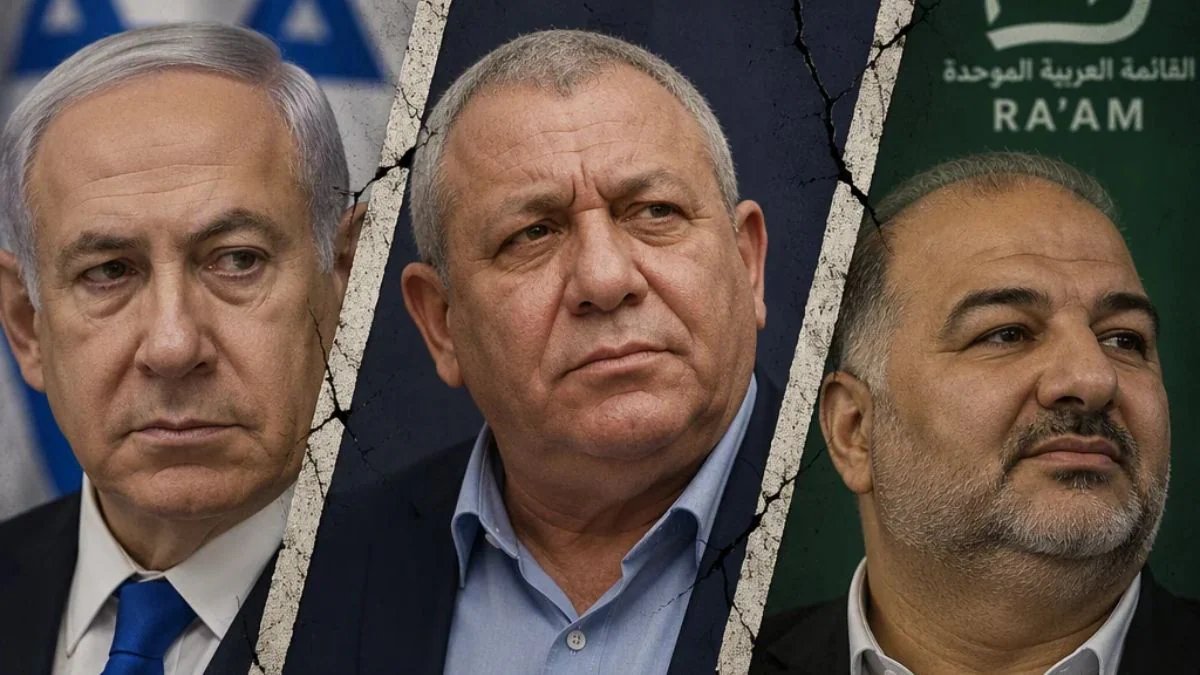
Netanyahu’s Likud‑led coalition captured 53 seats in the 2026 Knesset elections, according to numbers released by the Central Elections Committee and reported by The Jerusalem Post. The opposition bloc secured 48 seats, while the Arab‑led Joint List rounded up 19, a figure that positions them as decisive voters in a parliament that requires 61 seats for a majority.
Because no side can cross that threshold, the 19 seats held by Arab parties now carry kingmaker power. Their decision to support or reject any government proposal could determine whether Netanyahu remains in office or faces a vote of no confidence.
Speculation has already flared that Netanyahu might seek an alliance with the Arab parties. Former military chief Gadi Eisenkot has expressed a conditional willingness to join forces, and Ahmad Tibi told Army Radio that the opposition reached out to him to discuss replacing the Knesset speaker—a move that would shift agenda control.
If Netanyahu loses power, he could confront longstanding corruption charges, and investigators are expected to launch a formal inquiry into security lapses that led to the October 7 Hamas attack. Such proceedings would further destabilise his administration and amplify calls for a new government.
The next critical step is the coalition‑building process, which must begin immediately. Should negotiations stall, the Knesset is likely to schedule another election for early next year, a scenario that would reset the political landscape and test the resilience of Israel’s democratic institutions.