The luxury badge that built modern motoring is pulling the emergency brake at home.
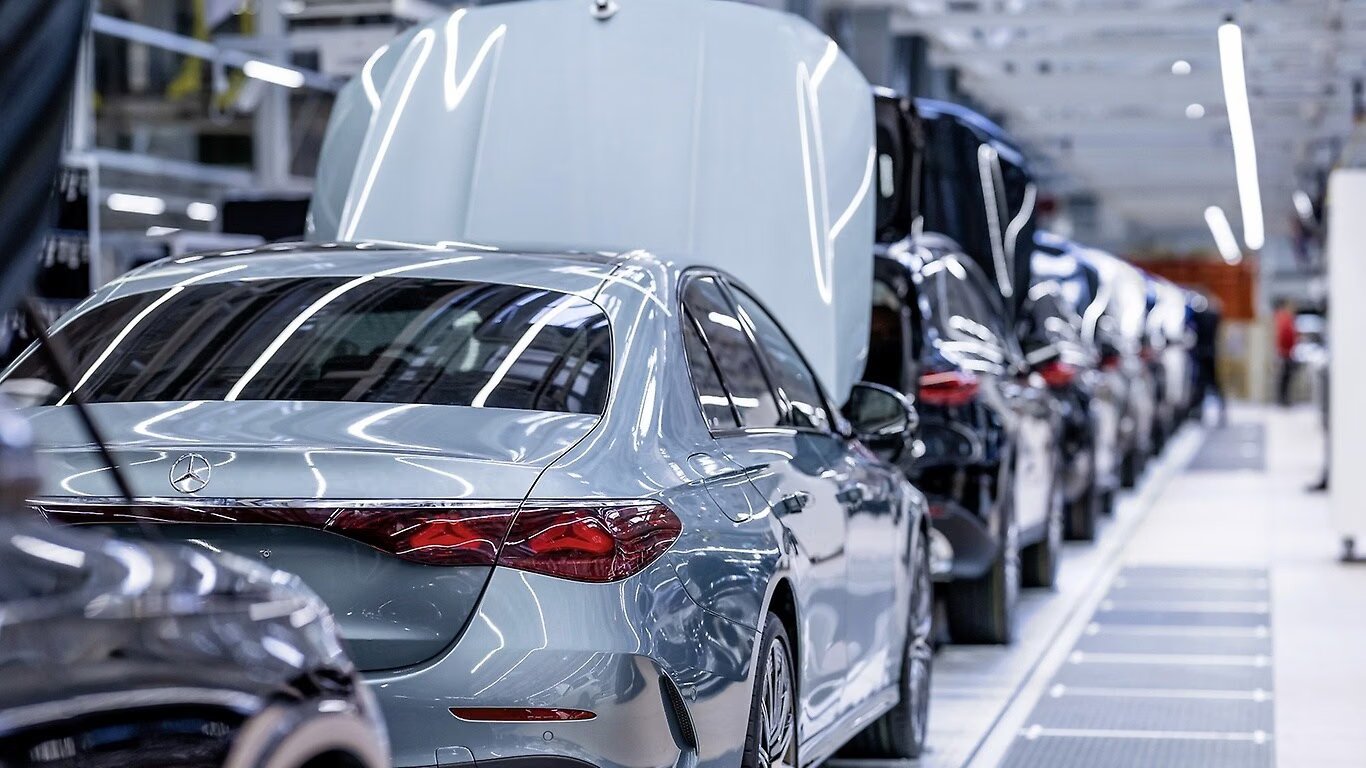
Mercedes-Benz has halted all capital investments across its manufacturing plants in Germany and is actively weighing factory shutdowns. The decision landed inside internal communication channels on Thursday after management hit a brick wall in cost-cutting negotiations with employee works councils and union officials. For buyers and industry watchers accustomed to German engineering supremacy, the shockwaves are immediate. Germany has grown simply too expensive for the companies that forged its industrial spine.
Production chief Michael Schiebe confirmed that executive leadership jointly enacted the freeze across all domestic facilities. The escalation follows a blunt warning Schiebe delivered to floor staff in September: find workable savings, or watch at least two German assembly plants shutter. That progress never materialized.
Management board member Britta Seeger acknowledged the gravity of the shift in a direct memo to the workforce.
While the company wanted to avoid plant closures at all costs, it now has to examine that option in more detail.
Auto analyst Ferdi Dudenhoeffer noted that the executive decision was hardly unexpected. Mercedes-Benz spent months sounding alarms over its bloated cost base in Germany, where high energy tariffs, rigid work agreements, and sluggish domestic output have battered profitability. Dudenhoeffer warned that the nation's automotive manufacturing future hangs in the balance unless legacy cost structures face a radical overhaul.
Market Context: German carmakers are caught in a brutal pincer movement. Profit margins that once subsidized high domestic wages have collapsed because China—historically their most lucrative earnings engine—now builds competitive, software-rich electric vehicles faster and cheaper. As Chinese brands claim market share on European soil, German brands face domestic cost overheads they cannot pass on to showroom price tags.
The standoff between Mercedes-Benz leadership and IG Metall, Germany's most powerful manufacturing union, remains active. Yet room for compromise has shrunk to razor-thin margins. Mercedes-Benz is not alone in the trenches.
Volkswagen, the continent's largest carmaker, begins critical formal wage negotiations with IG Metall on November 24. VW leadership is already engineering its most aggressive corporate restructuring to date, considering up to 100,000 job cuts and the closure of as many as four domestic manufacturing plants. With negotiations stalled, widespread union strikes loom across Germany around the turn of the year.
| Automaker / Supplier | Primary Action / Restructuring Plan | Direct Workforce Impact |
|---|---|---|
| Mercedes-Benz | Halts all German plant capital investment; reviews factory closures | At least two domestic plants at risk |
| Volkswagen | Restructuring domestic capacity; talks begin Nov. 24 | Up to 100,000 jobs threatened; up to 4 plants may close |
| Schaeffler | Shuttering 5 European sites (4 inside Germany) | 3,460 jobs eliminated |
| German Auto Sector (Overall) | Long-term structural contraction driven by EV shift & China competition | At least 200,000 jobs lost by 2030 (Roland Berger projection) |
The bleeding has already spilled deep into Tier-1 parts suppliers. Component giant Schaeffler announced plans to eliminate 3,460 jobs and permanently shut five European manufacturing facilities, four of which sit inside Germany. Schaeffler attributed the retrenchment directly to collapsing customer demand for traditional internal combustion engine powertrains.
Projections from strategy consultancy Roland Berger outline a stark structural retreat across the sector. At least 200,000 German automotive jobs could disappear by 2030. The loss of Chinese market supremacy has stripped German luxury houses of their historic cash cushion, leaving factories designed for high combustion-engine volumes stranded.
European automotive executives have begun pressing authorities in Brussels for defensive trade measures to buffer local plants against an influx of lower-cost Chinese electric models. But trade shields do not solve internal unit economics. Stellantis chief executive warned that manufacturing and regulatory expenditure will continue climbing for at least another year, compounding margin pressures across every segment.
For premium buyers, the fallout will inevitably alter vehicle lifecycles and platform allocations. With Mercedes-Benz freezing domestic factory investments, upcoming vehicle architectures and tooling updates are poised to migrate outside Germany to lower-cost European or international hubs. The next official gauge of the standoff arrives on November 24 as IG Metall sits across from Volkswagen, setting the wage benchmark that will dictate whether Mercedes-Benz follows through on outright factory liquidations.