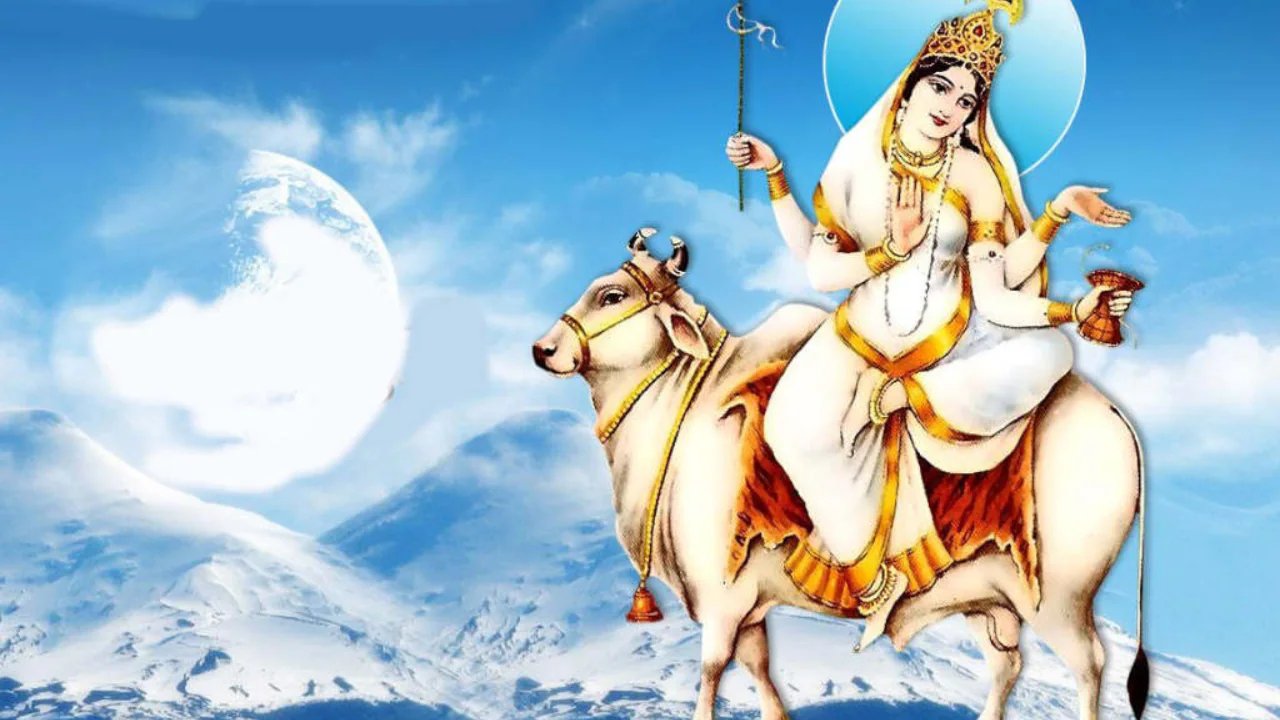
Prime Minister Narendra Modi marked the opening of Sharadiya Navratri on Sunday by offering salutations to Goddess Shailputri, the presiding deity of the festival's first day. In a post on X, the Prime Minister expressed a specific hope that the divine grace would kindle "the lamp of patience and self-confidence" in the hearts of citizens nationwide. He framed the occasion not just as a ritual, but as a spiritual anchor for the country's collective resolve.
The sentiment found immediate resonance among other top political figures, transcending party lines. Defence Minister Rajnath Singh joined the greetings, describing the goddess's form as a source of "reverence for nature" and "steadfastness in life." For Singh, Shailputri represents the resolve to remain unshaken in every circumstance, a theme that aligns closely with his public persona. He prayed for the Primordial Energy to infuse happiness and peace into every life.
State chief ministers followed suit, weaving in themes of inner strength and global harmony. Uttar Pradesh Chief Minister Yogi Adityanath, a long-time proponent of Shakti worship, offered his prayers to Adi Shakti Ma Shailaputri. He wished for the goddess's grace to provide self-strength and positive energy, while explicitly extending his hopes for peace and prosperity to the entire world. Delhi Chief Minister Rekha Gupta also contributed, characterizing the worship of Shailputri as a sacred commencement of self-purification and spiritual awakening.
For millions of Indians, this Sunday is not just a political formality but a deeply personal observance. Sharadiya Navratri is a nine-day festival dedicated to the nine forms of Goddess Durga, with Shailputri holding the first day. The emphasis on "patience" and "confidence" by the Prime Minister reflects the current national mood, where cultural identity serves as a stabilizing force amidst political and economic shifts. The leaders' unified front on this occasion underscores the pivotal role of religious festivals in shaping India's social and political discourse.
The festival continues for eight more days, with each day dedicated to a different aspect of the Goddess. As the nation moves through these nine days, the initial hopes for peace and prosperity set by the leadership will likely remain a focal point of public discussion and religious observance.