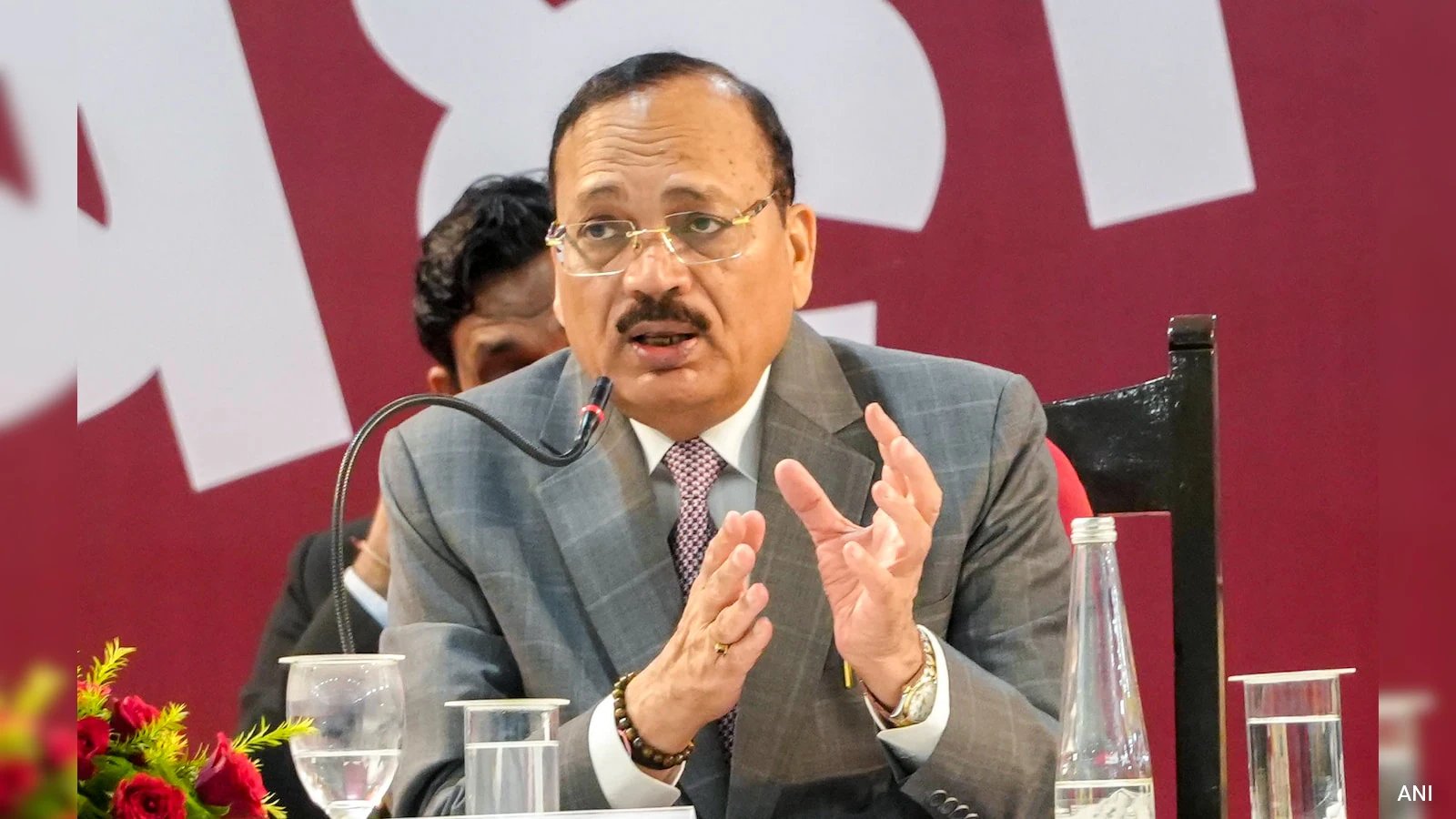
Surya Kant made the remark at the National Human Rights Commission’s 33rd anniversary gathering, reminding reporters that law‑and‑order falls under the state, not the judiciary.
Delhi’s security apparatus was stretched to its limits: 20,000 officers were posted, 45 metro stations were shut, and thousands of demonstrators—including CJP leaders and former chief ministers—were detained.
When asked about a meeting request from Congress leaders Mallikarjun Kharge and Rahul Gandhi, the CJI replied that the Supreme Court’s doors are open for petitions but that a direct audience would violate the separation of powers.
He emphasized that the matter is already sub‑judice and that any grievances should be brought through Article 32 petitions, noting that a hearing is slated for October 13.
Anjali Patel, a 42‑year‑old Delhi resident, told a local paper she had to wait outside the courtroom for hours after her petition was rejected, underscoring the human toll of the legal gridlock.
The Court will convene on Tuesday, 13 October, and is expected to rule on the election‑commission dispute shortly thereafter.