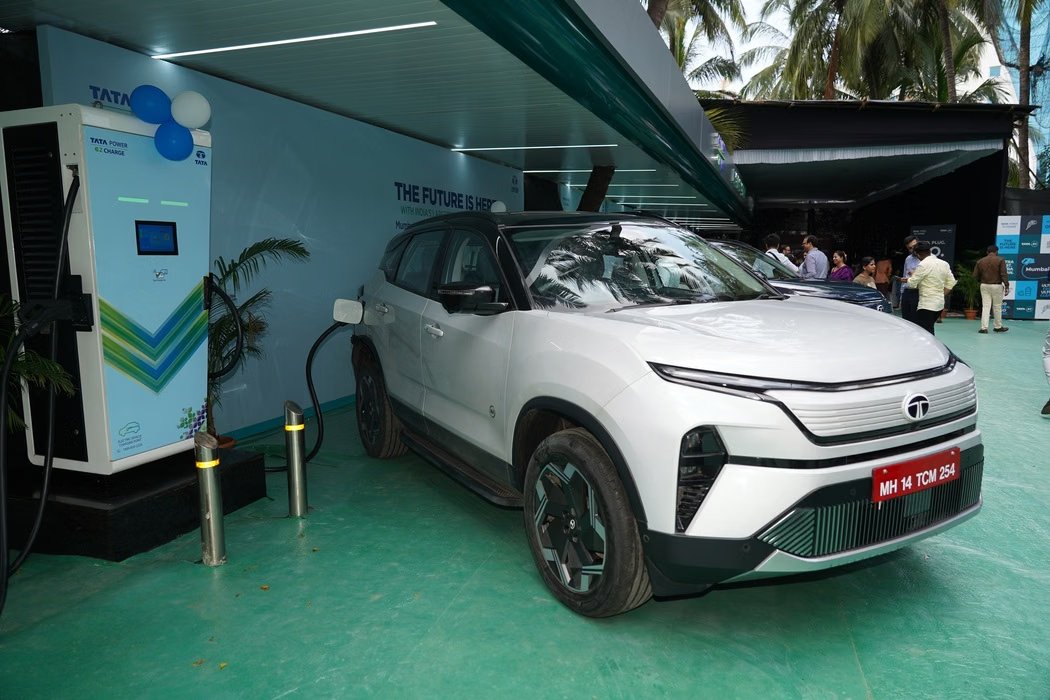
For the average buyer weighing a ₹15-20 lakh EV, the biggest hesitation isn't the price tag—it's the highway. You can drive a city commuter anywhere, but the moment you plan a trip to Goa or the Himalayas, the battery anxiety kicks in. Tata has just removed that friction. By passing the 1,000 live fast-charging connector mark, they haven't just added plugs to a map; they've built the backbone that makes owning an EV in India viable for the majority, not just the tech-early adopters in metro apartments with home chargers.
The numbers behind this milestone are dense, but the geography is what matters. The network stretches 2,570 km from Amritsar to Thoothukudi and 1,800 km from Dwarka in Gujarat to Murakati in Jharkhand. This isn't a cluster of chargers in Mumbai or Bengaluru. It’s a web covering 180 highway corridors. If you’re driving the NH48 or the Chennai-Bangalore route, you’re not guessing if a charger is there. You’re just plugging in. The total installed capacity is 40 MW, which sounds abstract until you realize it’s enough to keep a significant portion of the country’s EV fleet moving without waiting hours for a slot.
So, who benefits most? The Nexon EV and Curvv EV owners, naturally. But it’s also a strategic play against the incumbent ICE manufacturers who are scrambling to launch their own EVs. Tata is betting that infrastructure is the moat. While rivals like Maruti Suzuki and Hyundai focus on vehicle design, Tata is spending hard on the ecosystem. The data shows 52 sites in Maharashtra, 44 in Karnataka, and 32 in Tamil Nadu—hotspots for EV adoption. This concentration suggests Tata is prioritizing regions where EV penetration is already high, ensuring their customers have the highest density of support where they live and drive the most.
The 32 million EV kilometers powered is a quiet metric, but it tells you the network is being used. It’s not sitting idle. It’s working. For the buyer, this means resale value holds better. An EV with a robust, manufacturer-backed charging network is a safer bet in the second-hand market than one reliant on third-party apps with spotty maintenance. As the industry moves from hype to utility, Tata’s 1,000-point network is the difference between an EV being a toy and an EV being a car.