If you’re eyeing a new Hyundai or Kia, the micro‑components inside the car are about to get a homegrown upgrade. The company plans to start using chips it develops in South Korea in vehicle testing next year, with full production slated for 2029.
More than 95 per cent of the automotive chips used in South Korea are currently imported, so this move is a direct response to a global shortage that once halted Hyundai Motor’s production lines. Hyundai Mobis is teaming up with domestic giants Samsung Electronics and SK Keyfoundry to build a suite of power and system semiconductors that will replace the foreign imports.
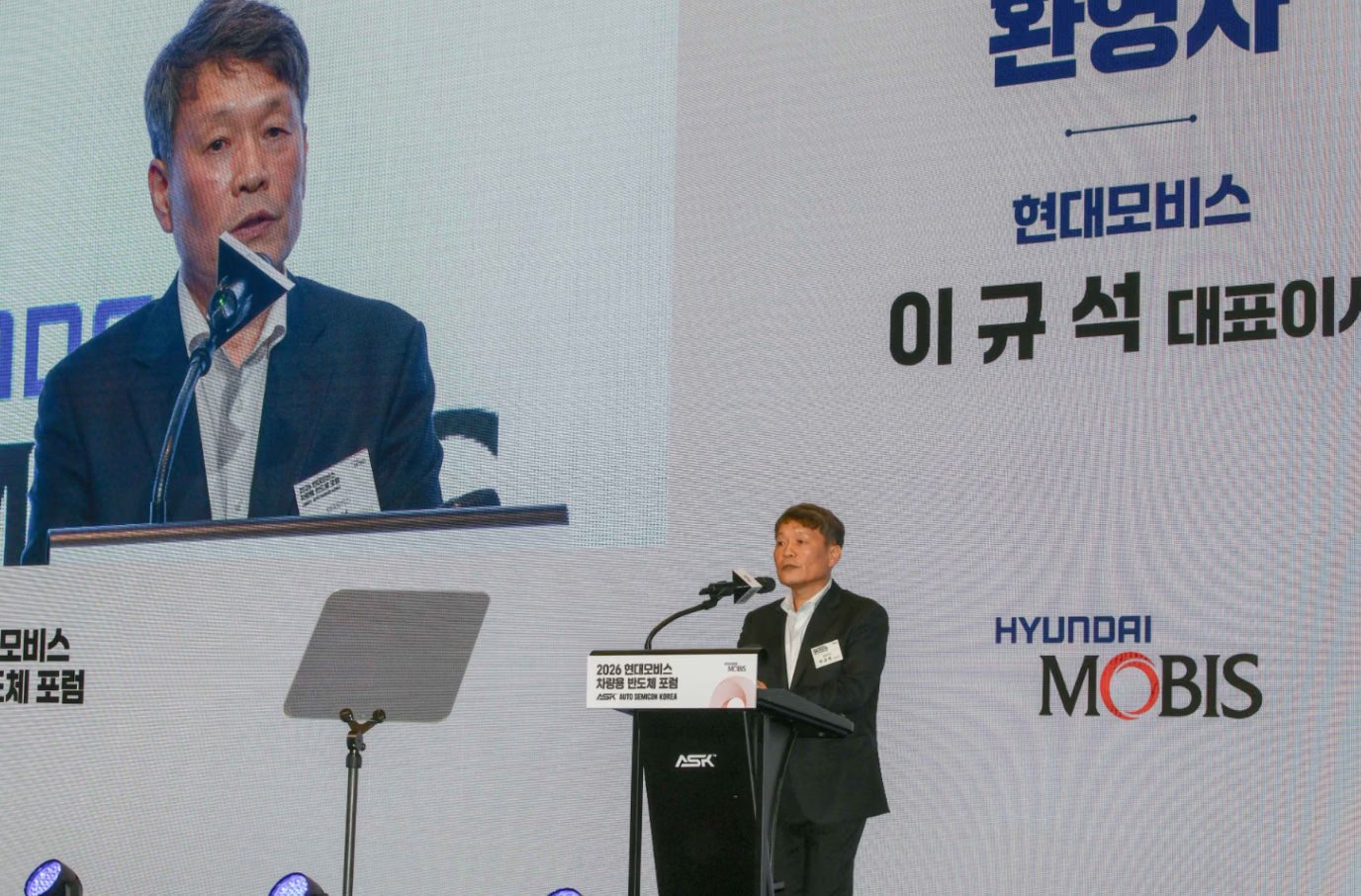
The Auto Semicon Korea forum, launched in 2025, brought together 53 companies and institutions to push domestic chip development. Last year, 13 chip projects were initiated, and nine of those have already cleared the mass‑production gate for Hyundai and Kia vehicles. Testing will roll out this year, but the first cars shipped with the new chips won’t hit the road until 2029.
The South Korean government is backing the effort with a new power‑semiconductor lab and an automotive semiconductor support centre due to open in Asan in 2027. These facilities will certify chip reliability and could open export doors for Hyundai and Kia in the future. For buyers, the implication is a smoother, cheaper powertrain that could translate into better range and fewer maintenance costs.