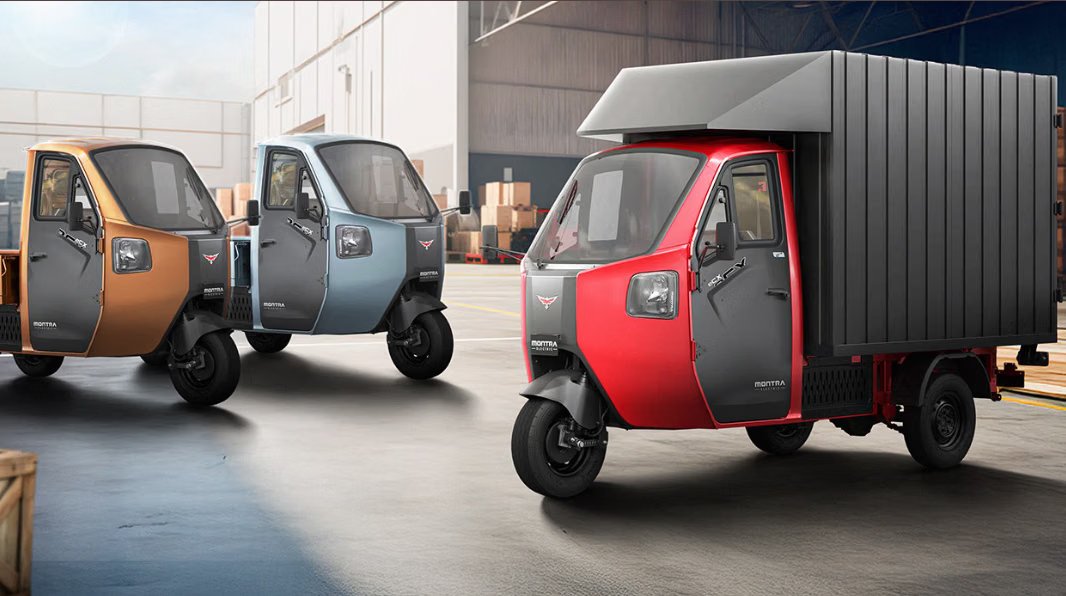
A commercial driver in Mumbai has just signed up for Montra Electric’s new energy package, and the first thing that struck him was how the cost of the battery is no longer lumped with the vehicle price. Instead of paying a hefty lump sum for an electric three‑wheeler, he’s only putting down ₹39,999 and then paying ₹12,099 every month for 48 months, with the battery usage and charging split out as a separate, usage‑based fee.
Under the ONE Pass, every kilometre travelled is billed at ₹3.20 and capped at ₹12,000 a month, so even on a busy delivery route the driver knows exactly how much he’ll spend on energy each month. The rate stays locked in for four years, and the plan comes with a lifetime battery warranty, giving a safety net that most owners find reassuring.
The eQx sits in a crowded segment with rivals like TATA eCommer and Mahindra eGusto. Those competitors typically charge a higher upfront price because their batteries are included in the purchase cost, pushing the total entry cost 25‑30% higher. By separating the battery cost, Montra’s model offers a smoother financial curve for drivers who want to keep cash on hand for other business needs.
From a policy angle, the government’s push for electric three‑wheelers to replace diesel in urban freight lanes has created a rush for affordable options. Montra’s pay‑per‑km scheme aligns with the broader move to make EV adoption more accessible for small fleets and individual operators, fitting neatly into the Indian EV mandate that encourages usage‑based charging solutions.
The plan is live now, with deliveries starting in Delhi and Bangalore, and a network of 15‑minute rapid chargers already available to users. Prospective buyers should keep an eye on the rollout to other metros over the next quarter and on any updates to the charging network that could further reduce downtime.