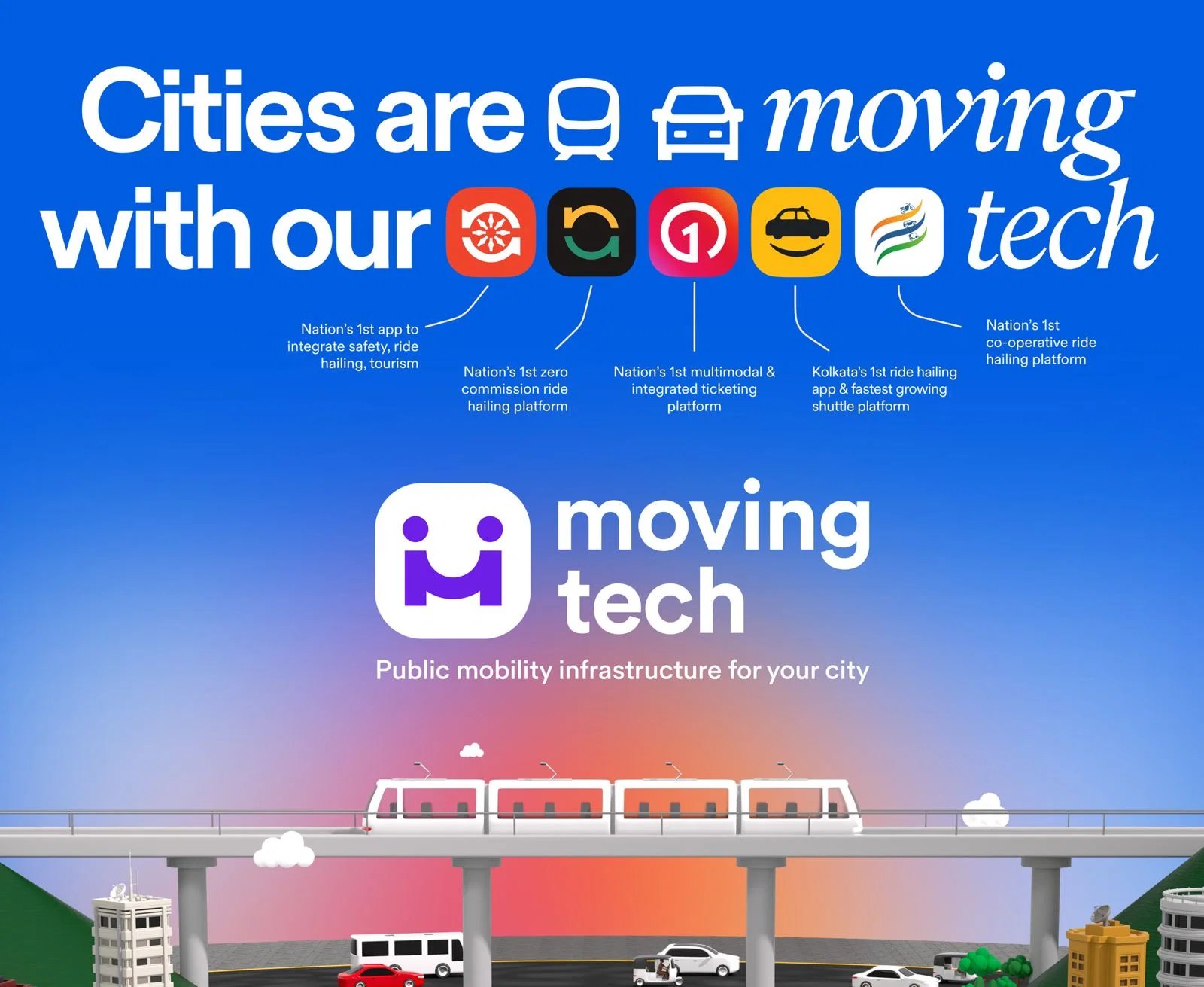
MTI’s Open Mobility Platform, due to hit European roads this year, is designed to handle a staggering 200 million trips across major cities. But it isn’t about a single vehicle—it’s about a software‑driven ecosystem that lets drivers keep every rupee they earn.
The platform’s subscription‑led model is a direct cousin of India’s Namma Yatri and Ola, but with a twist: no per‑ride cut for drivers. Instead, they pay a flat fee and walk away with 100 percent of the fare. And that’s a headline‑grabber for anyone tired of the 20‑30% commission that Uber and its peers take.
Under the hood, MTI uses the Beckn Protocol—an open‑source standard that lets disparate services talk to each other. It’s the same tech that powers the Open Network for Digital Commerce (ONDC), meaning data flows freely while local authorities keep the reins on policy and analytics. The result is a platform that can be molded to a city’s legal framework without a rewrite.
In Europe, MTI has already inked a deal in the Netherlands, acquiring Automicle and partnering with Stichting FINOMAD to pilot the system in Amsterdam and Rotterdam. This hands‑on approach shows the company is not just exporting an Indian model; it’s learning how city‑specific rules, parking norms and fare structures differ across borders.
Drivers in Berlin, Paris and soon London could see a new option that keeps them independent while still tapping into a shared digital network. The launch window is slated for late 2026, with a phased rollout: start in a single city, refine, then expand to the next.
For the buyer‑or‑rider, the promise is a cleaner, lower‑cost ride‑hail experience that respects local data sovereignty. The real test will be whether commuters prefer a platform that pays drivers full fare over the big‑name apps that still pocket a substantial cut. Stay tuned as MTI rolls out its first European city pilot this fall.