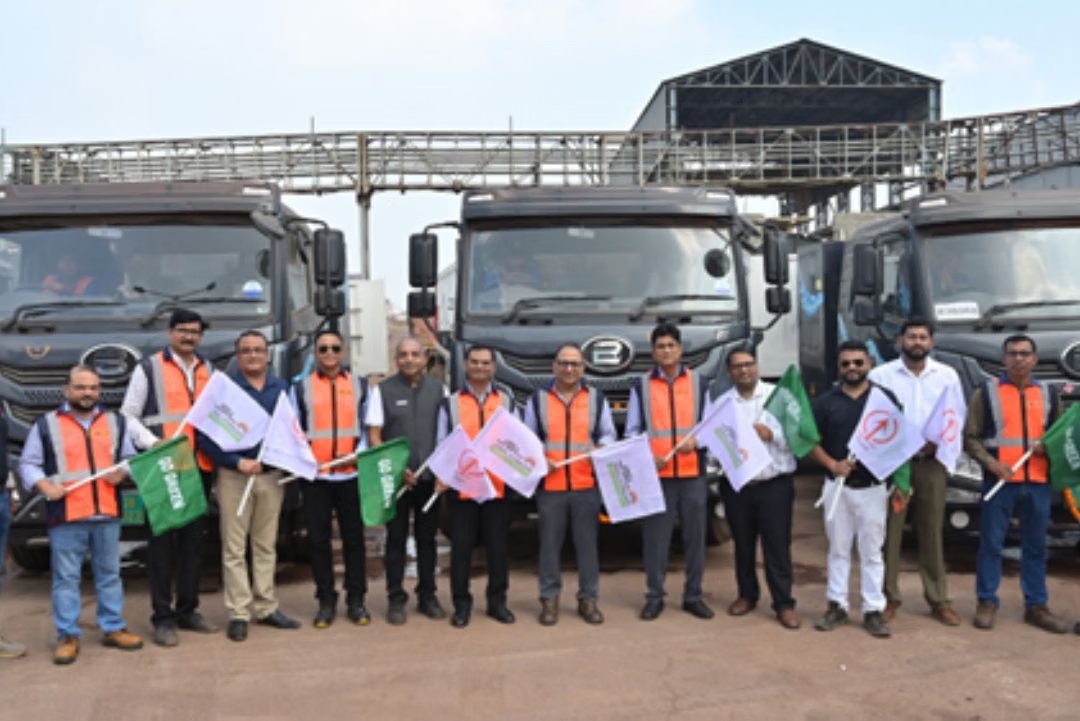
October 15, 2026, saw a modest but measurable shift in India’s heavy‑haul scene: ten electric trucks started hauling stainless steel goods from Jajpur to Kharagpur and Kolkata. Roughly 240,000 kilometres a month and a 71‑tonne cut in CO2 are the headline numbers.
Jindal Stainless, a steel behemoth with a ₹42,955‑crore turnover, isn’t just pouring steel into the market; it’s also investing in the wheels that move that steel. The company already runs 80 LNG trucks for western routes and a fleet of 60 CNG buses for staff commutes, but these electric machines are the first step toward a fully low‑emission logistics network.
In the crowded Indian EV truck arena, names like TATA, Mahindra, and Ashok Leyland are busy courting state contracts and private fleets. Jindal’s move is a reminder that even established manufacturing giants are testing the waters, adding a fresh contender to the list of suppliers pushing battery‑powered haulers onto the roads.
The change also dovetails with policy shifts: the Ministry of Heavy Industries has tightened EV mandates for fleet vehicles, while the government’s National Action Plan on Climate Change pushes for 26% less carbon in transport by 2027. Deploying electric trucks now gives Jindal a head start on meeting those targets while keeping operational costs in check.
Looking ahead, the stainless steel giant plans to scale the program to other corridors, depending on route suitability and freight volume. Each new deployment will be measured against the same metrics—kilometres covered, emissions saved, and, importantly, the return on investment for the fleet.
The first vehicles hit the road this month, but the real rollout is still in its infancy. Expect to see more units added by early 2027, with a broader rollout across India’s major logistics hubs. Keep an eye on how the electric truck segment matures and whether other manufacturers follow suit.