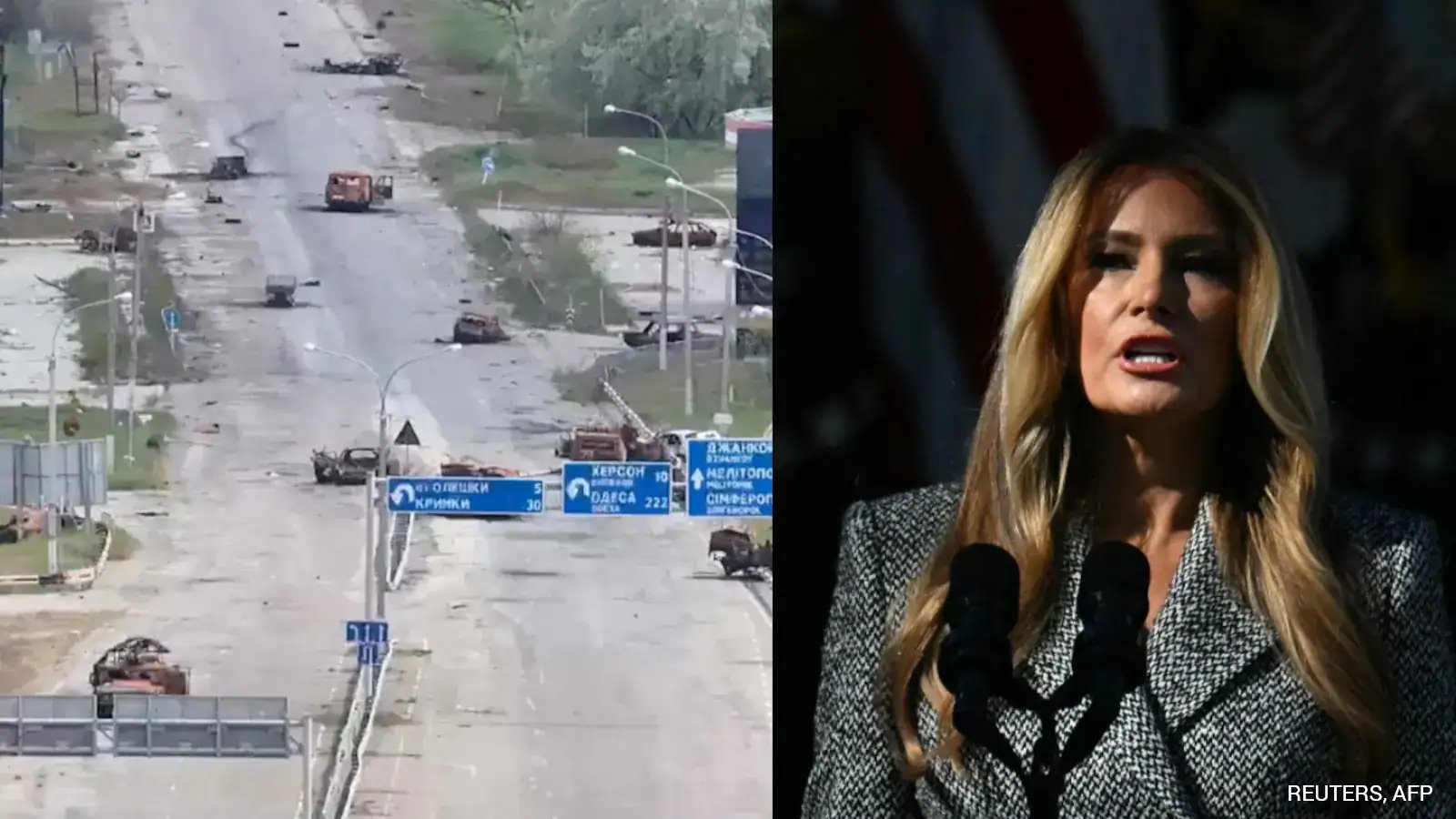
The deal will see fighting halted in Oleshky, a Russian‑occupied town in Kherson, beginning early Tuesday, October 27, as Ukrainian, Russian and U.S. negotiators sign off on the terms.
Oleshky, once home to about 24,000 residents, fell to Russian forces on February 1, 2022, and has endured shelling, a dam‑breach flood in June 2023 that killed hundreds, and a complete loss of electricity, heat and running water. The town’s roads are mined, cars burn‑scarred, and drones hover overhead, making civilian life a daily gamble.
Melania Trump learned of the dire situation at a UN General Assembly event in September. She then coordinated with a U.S. liaison and reached out to both Russian and Ukrainian officials, pushing a three‑stage plan: a brief ceasefire, followed by mine clearance, humanitarian aid delivery, and finally civilian evacuation. "I have been working with both sides on this,” she told reporters; she said she had already spoken with Zelensky and Putin.
General Valery Gerasimov confirmed that Russian forces will cease fire on the Kherson axis at 4 am Moscow time, while Ukraine’s General Staff will start at 3 am Kyiv time. Dmytro Lubinets, Ukraine’s human‑rights ombudsman, emphasized that mines will be cleared first, then food, medicine and hygiene supplies will be dispatched, and safe‑passage guarantees will be offered to those wishing to leave.
The Kremlin’s Dmitry Peskov added that people who want to exit Oleshky will be able to do so, though he did not clarify whether they would be ferried to Russian‑held or Ukrainian‑held territory. Pope Francis’s support was noted by Trump, who said the ceasefire is "great to have". The next priority is the arrival of the humanitarian convoy, expected to begin the day after the ceasefire takes effect.
Tags: ["Ukraine", "Russia", "Melania Trump", "Oleshky", "Ceasefire"]