Anee said, "We must conclude a new Ganga treaty before Dec. 12." At a BIISS‑hosted seminar on Thursday, he outlined Bangladesh’s hope that the 30‑year agreement, signed in 1996 by former PMs HD Deve Gowda and Sheikh Hasina, would be renewed in time.
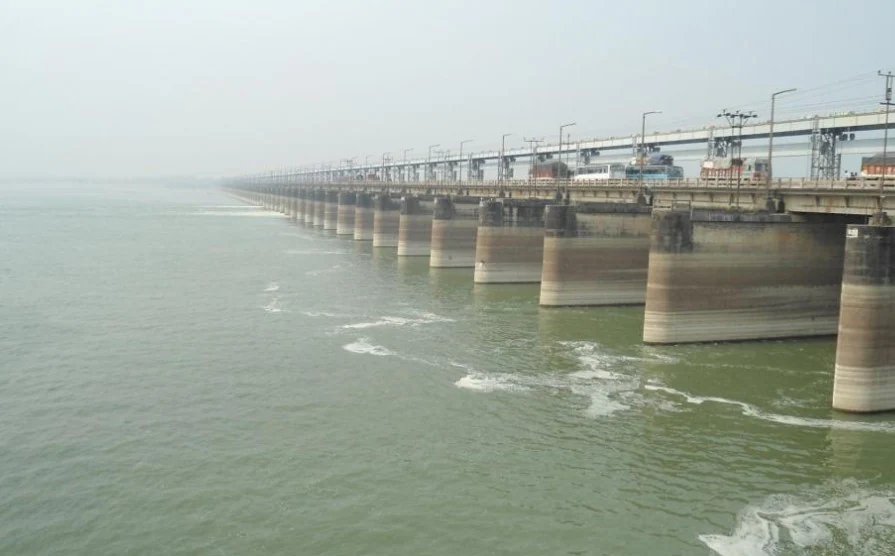
The current treaty governs water flow at the Farakka Barrage during the lean season, allocating 35,000 cusecs to each side in alternating ten‑day blocks from March 11 to May 10. If the river’s flow dips below 70,000 cusecs, Bangladesh receives 35,000 cusecs; between 70,000 and 75,000 cusecs, India gets the surplus.
Bangladesh insists on restoring the 1977 guarantee clause, which would give it 80 % of its share if the Ganga’s flow at Farakka falls below 80 % of normal. It also demands stricter ecological safeguards and a clause that accounts for climate change, and some experts are pushing for Nepal’s inclusion to turn the agreement into a trilateral pact.
India’s side is being steered through the Joint Rivers Commission, which has convened several times in the past week. Prime Minister Narendra Modi, who is slated to travel to Dhaka next month, has expressed readiness to sign the revised treaty, while Bangladesh Prime Minister Tarique Rahman plans to highlight the agreement in his upcoming visit.
For farmers in Chapai Nawabganj, the stakes are personal. A 42‑year‑old paddy farmer told a local NGO that the Padma’s flow determines his harvest; a two‑month water shortage could wipe out his income and push his family toward debt.
The next milestone is a meeting of the JRC on November 15, after which both sides will draft the treaty’s final text. If consensus is reached, the signing ceremony will take place in Delhi on December 12, 2026, marking the first joint event between the two leaders since 2016.