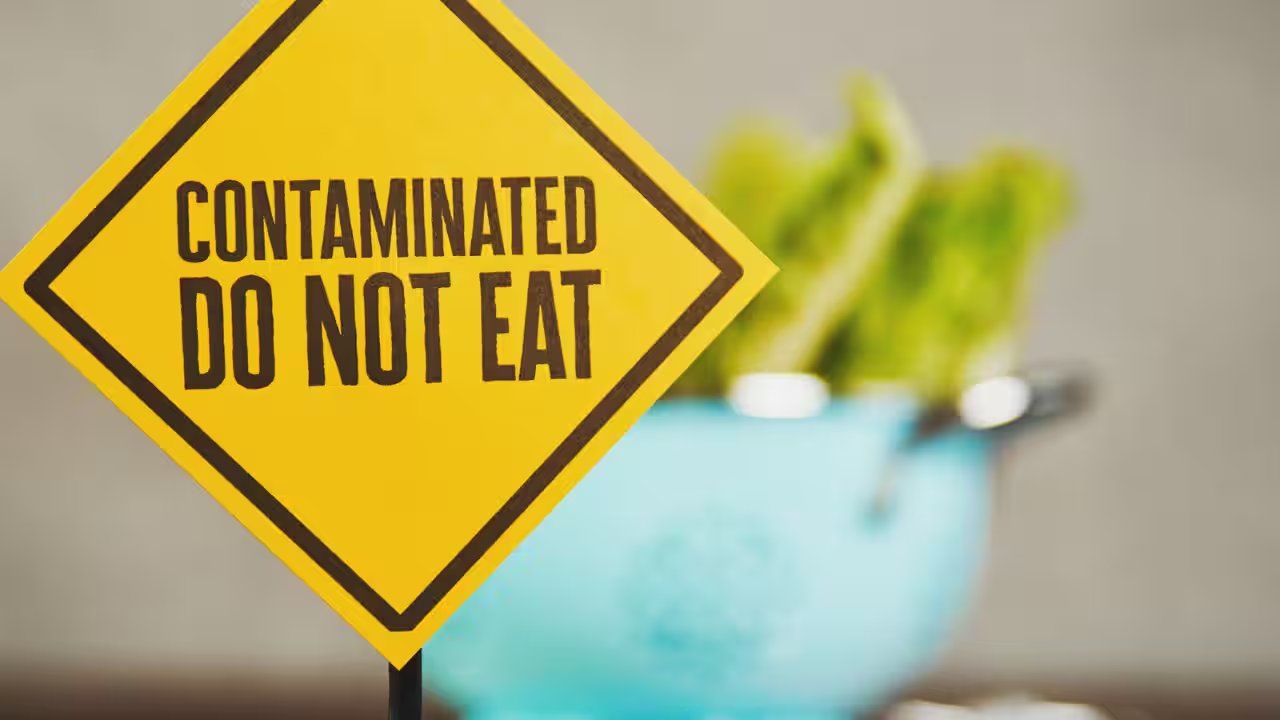
You scrub the carrots. You check milk cartons for expiry dates. You simmer broth until it steams. Yet the sharpest food safety risks rarely lurk inside the ingredients themselves—they thrive on the exact tools you trust to clean them. Contamination strikes ordinary homes because cooks focus entirely on the stove while ignoring the physical touchpoints that bridge raw ingredients and finished meals.
Take the kitchen sponge resting on your sink ledge. It stays perpetually damp. It traps food particles deep within its porous fibers, creating an ideal nursery for bacteria to multiply overnight. Wiping a cutting board and dragging that same sponge across a clean kitchen counter does not sterilize your home. It merely smears invisible bacterial colonies across every preparation surface you own. Swap worn-out sponges frequently, ring them dry after every wash, and keep them elevated in dry air.
The hazard compounds the second you turn on the water. You slice raw meat or handle soil-covered vegetables, reach out, and twist the kitchen tap handle. After lathering up with soap, you grip that exact same handle to shut the stream off—instantly transferring live bacteria right back onto your clean fingers. Disinfect tap levers daily, especially during active cooking. Refrigerator doors trigger the exact same trap. Cooks tug handles open mid-prep with residue on their skin, coating exterior latches, internal shelves, and vegetable crispers with pathogens. Storing raw proteins on lower shelves away from ready-to-eat leftovers prevents accidental drips from spoiling cooked food.
And cloth shopping totes—celebrated for cutting down plastic waste—pose a silent cross-contamination threat when neglected. Meat juices, leaking dairy pouches, and unwashed leafy greens leave lingering residue in fabric seams. Tossing fresh bread or fruit into an unwashed tote that carried raw meat days earlier contaminates clean groceries before they even enter your pantry. Designate dedicated bags strictly for raw items, keep dry staples separate, and run reusable totes through the laundry regularly.
Even your freezer offers no automatic protection. Ice is food. Freezing temperatures preserve contaminants rather than destroy them. When family members grab cubes with unwashed hands, dip unsterilized scoops into ice buckets, or leave open trays sitting uncovered beneath dripping freezer frost, bacteria find a straight path into drinking water. Wash reusable ice trays thoroughly between refills, cover them securely, and never touch ice directly with bare skin.
Safe cooking demands more than correct flame temperatures. It relies on the clean surfaces, handles, and containers that touch your food before it hits the pan. Scrub your tap levers, cycle your grocery bags through the wash, and discard sour sponges before they spread contamination across your kitchen.