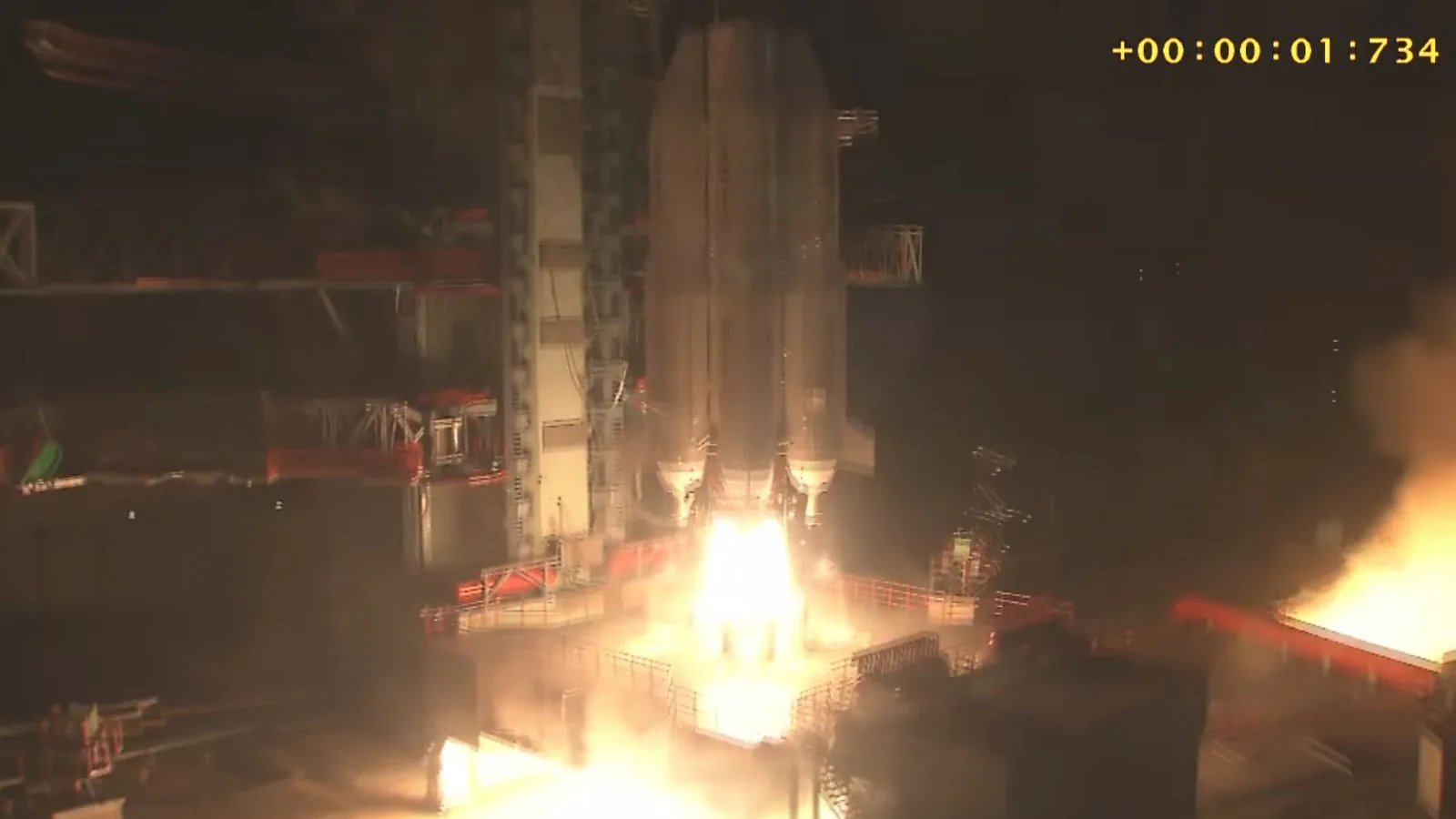
India's ISRO launched the NVS-03 navigation satellite on the GSLV-F18 rocket from Satish Dhawan Space Centre at 11:51 PM IST on October 30, 2026, completing the rocket's 20th flight. The 2,232‑kg satellite, part of the second‑generation NVS series, will be inserted into a geosynchronous transfer orbit before raising itself to its final slot at 32.5° East.
The GSLV‑F18, once nicknamed the "naughty boy" for its early mishaps, earned the "smart boy" label after a string of successful launches. Its 50‑metre, three‑stage design propelled the payload to the 3,000‑km GTO, a feat that showcases India's growing launch reliability.
NVS‑03 carries an indigenous atomic clock and two external atomic clocks, enabling precise positioning and timing. It will transmit a new L1 signal in addition to the existing L5 and S‑band tracks, extending NavIC's coverage up to 1,500 km beyond India's borders. The addition of L1 will offer better compatibility with global navigation systems and enhance military operations such as Operation Sindoor.
After deployment, the satellite will perform orbit‑raising manoeuvres to reach its geosynchronous slot, after which ISRO will monitor its performance. The launch strengthens India's sovereign GPS capability, ensuring uninterrupted navigation services for civilian and defense sectors. ISRO plans to launch the next NVS satellite later this year, aiming to complete the constellation by 2028.