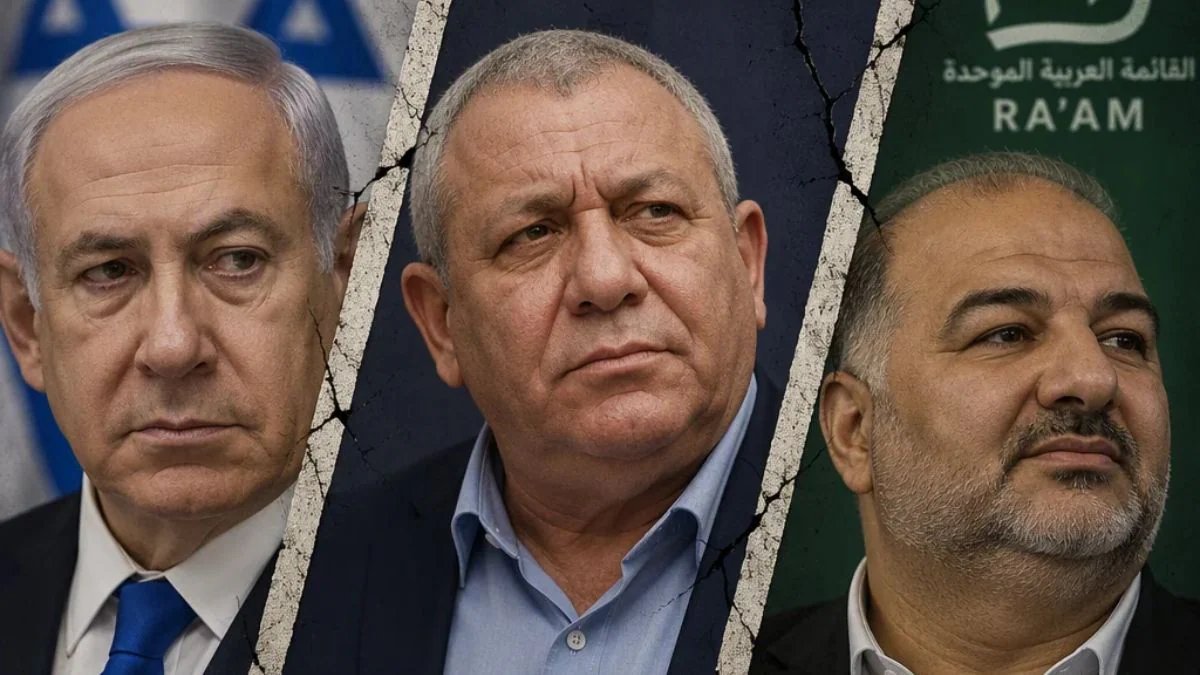
Israel's 120-seat Knesset now sits divided, a simple majority of 61 seats eluding both Netanyahu's Likud bloc and Eisenkot's Yesh Atid coalition.
The vote, conducted in a single day, produced the most fragmented result since the country’s founding, forcing smaller parties to become pivotal in any future government.
Netanyahu, who has led Israel for 12 years across multiple terms, faces renewed pressure from both domestic critics and international partners to forge a stable coalition.
Meanwhile, Eisenkot, returning to the political arena after a brief hiatus, must negotiate with a range of smaller factions, each demanding concessions on policy and cabinet representation.
The Knesset, under its constitution, must elect a prime minister within 30 days of the election, a deadline that heightens urgency for negotiations.
Citizens across the country express mounting unease, with concerns over economic policy and security decisions hanging in the balance as the stalemate persists.