Washington is moving the pieces. The US military is pulling Patriot air-defense systems from Texas to shore up its presence in the Middle East, while simultaneously rotating vulnerable ground troops off exposed bases. This isn't just posturing; it’s logistical preparation for a kinetic blow.
The timing is surgical. According to The Wall Street Journal, the window opens right after the November 3 midterm elections. US forces are restocking munitions, and bomber aircraft are entering combat readiness. An additional aircraft carrier strike group and Marine Expeditionary Unit are set to join a fleet of roughly 20 other warships already operating in the region next month. New York-based analysts note this surge signals a shift from containment to active coercion.
The price tag is staggering. Pentagon data shows the US has spent over $47 billion on the Iran war, a 25% jump from the July estimate. Of that sum, $29 billion went to replacing expended munitions, while over $6 billion covered equipment losses. Defense Secretary Pete Hegseth previously cited $37.5 billion, but the current figure reflects the accelerating pace of attrition.
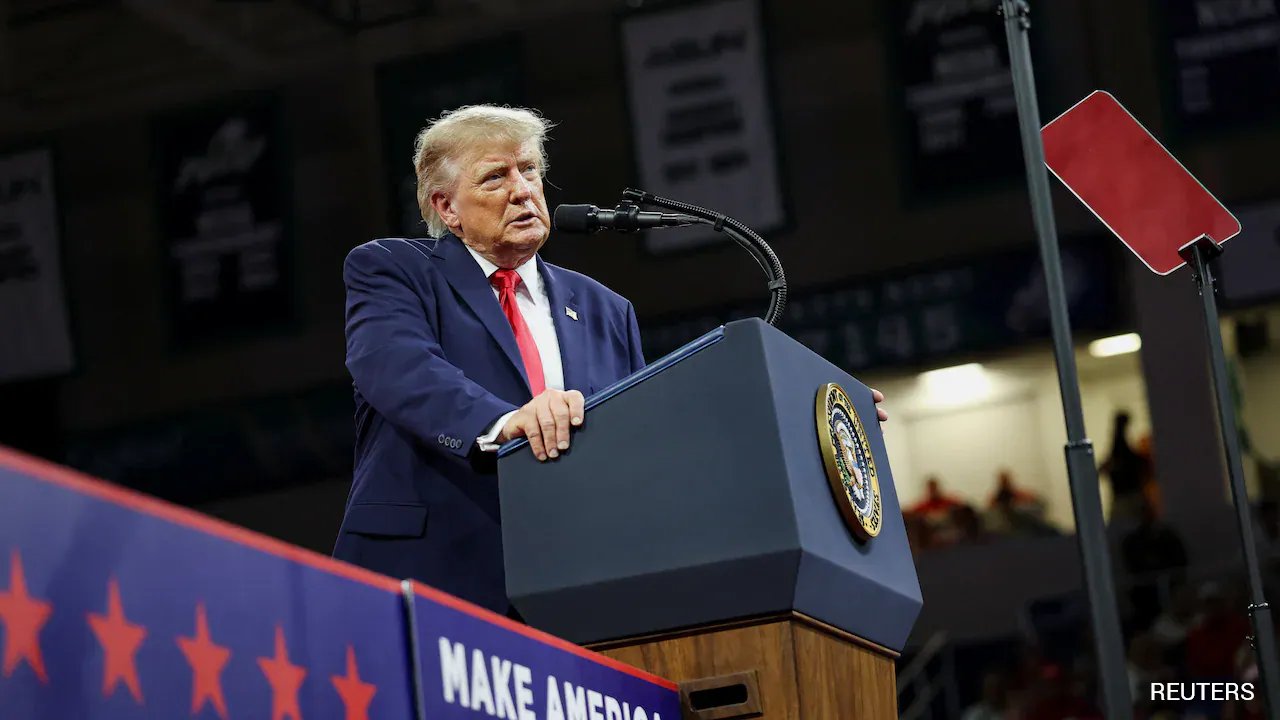
Diplomacy is taking a backseat to threats. US Ambassador to Turkey Tom Barrack, who has no direct mandate on Iran, told podcast host Mario Nawfal that a strike this weekend is "absolutely" possible. President Donald Trump amplified the pressure at a Florida rally, promising another "little Epic Fury" if Tehran doesn't agree to terms. He framed it as a binary choice: submit to the deal or face destruction.
The nuclear calculus remains murky. The UN nuclear watchdog, led by Rafael Mariano Grossi, confirmed that Iran has made no effort to rebuild the Fordow, Natanz, and Esfahan facilities destroyed in June 2025. Yet, Seth Jones of the Center for Strategic and International Studies argues that strikes won't permanently halt the program. They simply give Trump a political exit ramp to claim another setback for the atomic program. The next move likely comes within days of the US election.