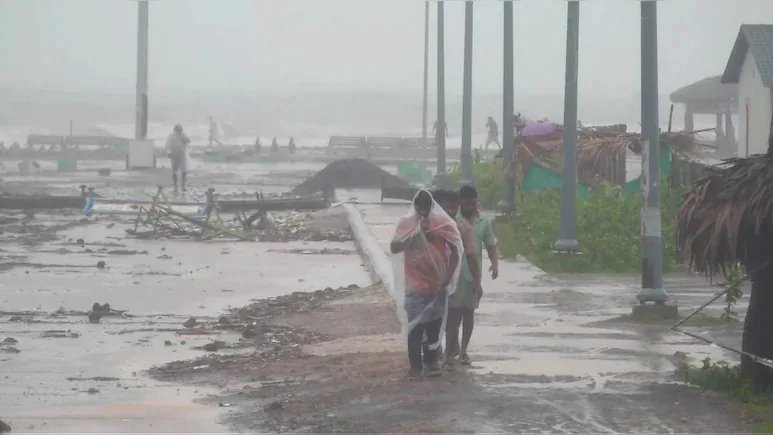
Odisha recorded 931 live births during Cyclone Arnab as it slammed the southern belt on Oct 28‑29, 2023. The state government had pre‑emptively transferred 2,245 pregnant women to nearby healthcare facilities, ensuring that the majority of deliveries occurred under medical supervision.
The most striking pattern emerged in naming: a surge of newborns received the storm’s name, Arnab, while girls were christened Barsha, echoing the heavy rains that drenched the region. Officials in Ganjam district reported 101 boys and 119 girls born in the same window, a tally that mirrors the national trend.
Sukanti Pradhan of Patrapur delivered a son at the community health centre and chose Arnab after a pre‑arrival transfer; his wife, a first‑time mother, expressed pride in the name, citing the cyclone’s protective role. In Chikarada, Rukmuni Behera welcomed a daughter at 9:08 a.m., with her husband abroad in Dubai, and the medical staff suggested the name Barsarani to honor the storm’s monsoon.
Health officers noted that all mothers and infants were discharged in stable condition, yet the state will conduct a follow‑up health survey to track any post‑delivery complications linked to the extreme weather. Meanwhile, the Odisha government plans to publish a comprehensive report on the births and neonatal outcomes by the end of November.
Arnab, a name derived from the Sanskrit for ‘ocean’, was bestowed by Bangladesh and is common among Bengalis; the World Meteorological Organisation assigns such names to distinguish storms in the Bay of Bengal. The cyclone’s legacy, now etched into the newborns’ identities, reflects how extreme weather can shape even the most intimate human moments.