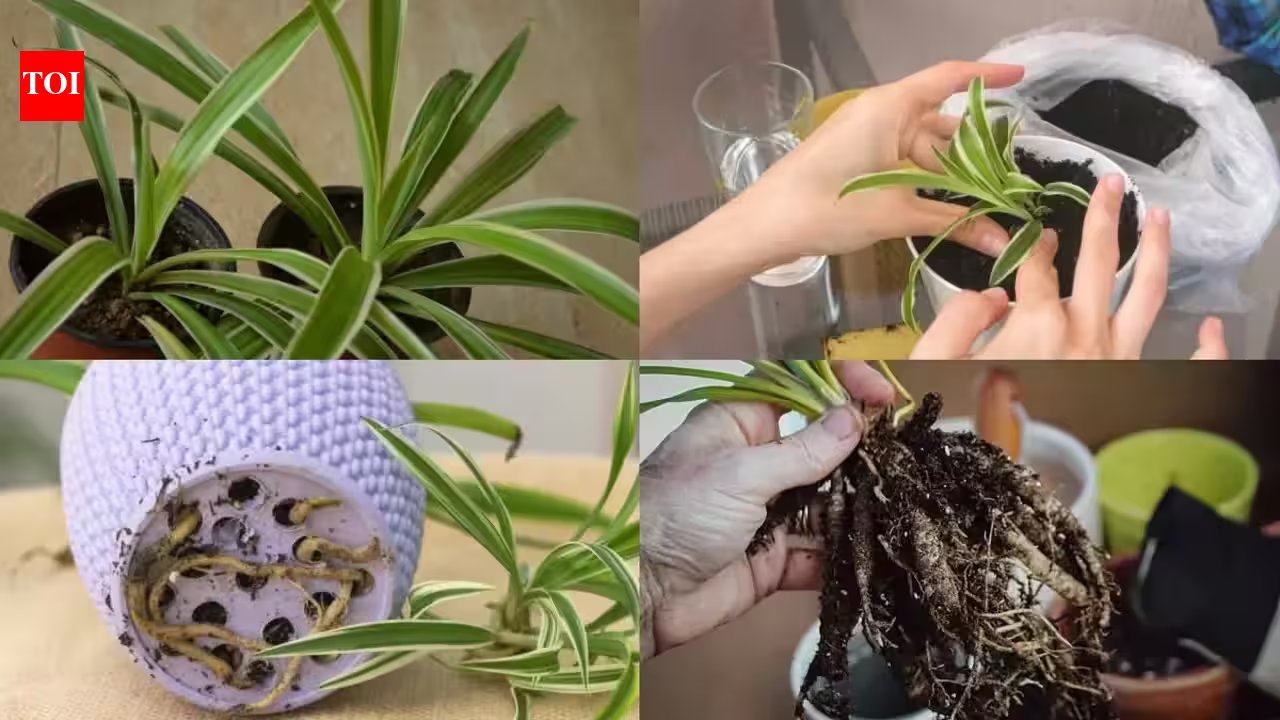
The hardy spider plant rarely demands much attention. But November changes the rules. Shorter daylight hours, bone-dry room air, and creeping evening chills can quickly turn those arching, striped ribbons limp and pale. If your pot has started sulking on the windowsill, do not reach instinctively for the watering can. Winter survival requires a deliberate, protective shift in your plant routine.
Winter sun arrives weak and low. To keep leaf variegation crisp and prevent flopping stems, shift your pot directly beside a bright window bathed in soft, filtered light. Turn the planter a quarter turn every week so each leaf ribbon claims its fair share of morning glow. Dark corners will drain their vibrant stripes, yet harsh, direct afternoon glass will scorch them. If your living room runs dim through January, run a compact grow light overhead for a few hours daily.
Pruning your watering schedule matters even more. Overwatering remains the swiftest winter killer. Fleshy, tuberous roots rot rapidly when sitting in cold, sodden potting mix. Press your index finger two inches deep into the soil; do not pour a single drop until that top layer feels completely dry, stretching intervals out to every one or two weeks. Drench the pot thoroughly until runoff escapes through the base drainage holes, and instantly empty the collection saucer. Never let those roots sit in standing water.
Temperature swings deliver another shock. Spider plants thrive in a steady band between 13 and 27 degrees Celsius. Drafty windowpanes, opened balcony sliders, and frosty night air stun their vascular systems. Pull outdoor hanging baskets indoors before temperatures plunge at dusk. By the same token, keep them clear of roaring radiators, space heaters, and direct air conditioner vents, which parch foliage in minutes.
Brown tips are an annoying winter staple. Dry indoor air combined with fluoride or mineral salts in hard tap water drives that crisping. Counter it without creating rot: set your planter atop a shallow tray filled with wet pebbles, mist the foliage lightly, or cluster several houseplants together to trap natural humidity. If your municipal tap water runs hard, leave the watering can out on the counter overnight to settle before pouring, or collect fresh rainwater. When brown tips show up, trim them off with sterile scissors, angling the cut to follow the natural spear of the leaf.
Hold off on plant food. Because active growth stalls until spring, heavy fertilising merely deposits toxic salts into the root zone. Dilute a gentle liquid feed to half-strength once a month at most, or skip feeding entirely until March. Run a damp cloth along the foliage to strip off dust layers, inspect leaf joints for mealybugs or spider mites, and leave cramped roots undisturbed until spring repotting season arrives.