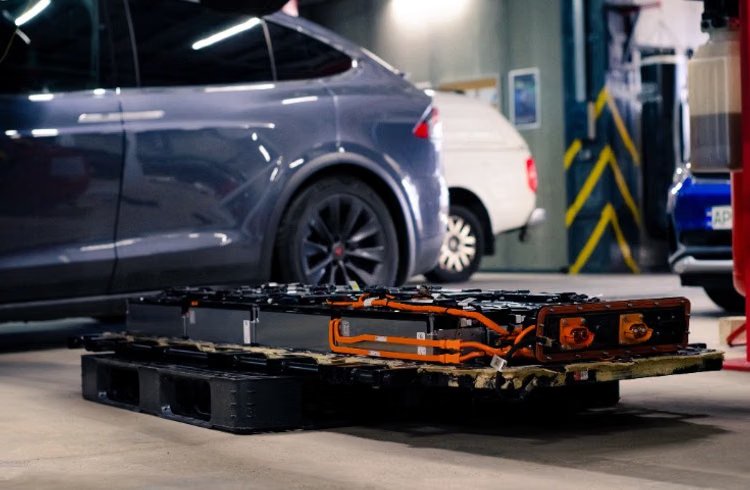
India’s EV boom is hit by a silent bottleneck—skill shortages in the aftermarket. ASDC chair Vinkesh Gulati said that more than a third of independent repair shops cannot service modern EVs, a figure that has rattled industry players and potential owners alike.
The Nexon EV, which sold over 70,000 units in its first year, still carries a one‑year warranty covering most repairs. Once that period lapses, owners often rely on local mechanics. With a sizeable chunk of those shops lacking certified EV training, owners may face delays or sub‑par repairs.
Hyundai’s Kona Electric and MG ZS EV have similar price points—₹18-₹19 lakh—and comparable 310‑330 km ranges. Those brands have invested heavily in dealer‑based training, giving them an edge in after‑sales confidence. Tata’s focus, however, is shifting to a broader training network, but progress is slow.
Policy‑wise, the Ministry’s latest EV incentives include a ₹2 lakh subsidy for technicians who complete a government‑approved certification. Yet the rollout has stalled, and many prospective trainees report long wait times for slots.
Industry insiders say training programmes should start alongside plant construction. By integrating skill development early, manufacturers can tap into nearby talent pools and avoid the bottleneck that Gulati highlighted.
For buyers, the immediate takeaway is to check the service network before finalising a purchase. A robust dealer network can offset the current skill gap, whereas reliance on independent shops may expose owners to uncertainty.
Keep an eye on ASDC’s upcoming certification drive, slated to begin in Q3 2025. The pace at which new technicians qualify will determine how quickly the service gap narrows, ultimately shaping the long‑term ownership experience for every ₹18‑lakh Nexon EV.