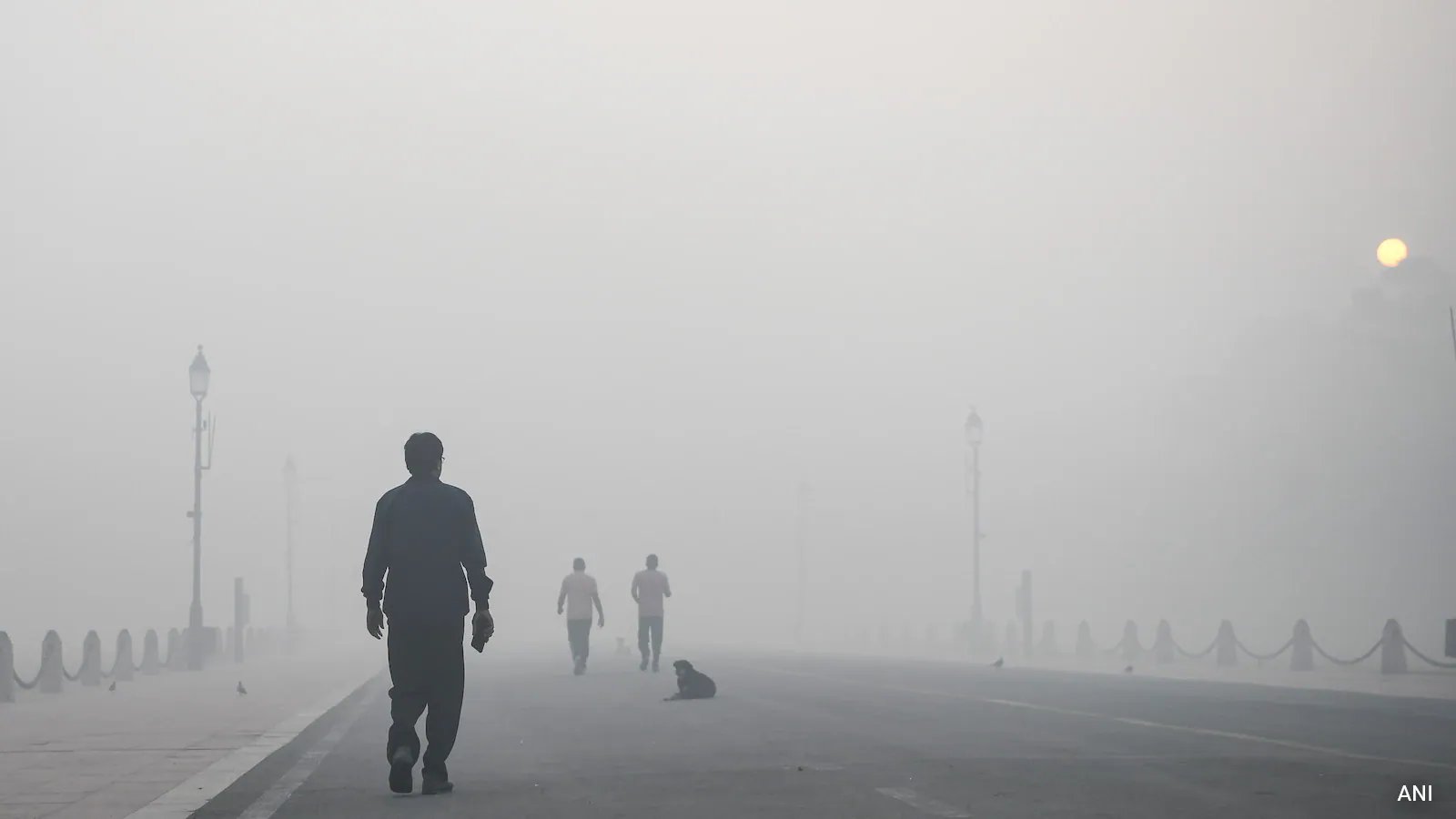
Thick post-Diwali smog and morning fog battered operations at Delhi's Indira Gandhi International Airport, delaying 44 per cent of departures between midnight on November 8 and 8 pm on November 9. Outbound traffic took the brunt of the hit. Average departure delays climbed to 20 minutes after airport officials activated the season's first Low Visibility Procedures (LVP) for the 2026–27 winter cycle. Arriving flights, meanwhile, landed with virtually no disruption.
Runways at IGI Airport operate with advanced Category III (CAT-III) instrument landing systems. But concrete and electronics cannot single-handedly erase seasonal haze. Safe landings and departures in restricted visibility hinge on a tight chain of operational conditions—runway visual range, onboard aircraft capabilities, airline authorization, and specialized pilot ratings. When one component stalls, departure queues stretch.
Conditions shifted rapidly on Tuesday, November 10. Surface visibility at the airport stood near 2,000 metres before dawn, then plunged to 600 metres between 6:30 am and 7:30 am as shallow fog blanketed the tarmac. An operational status check at 12:45 pm showed 197 delayed flights—representing roughly 14 per cent of total daily movements—alongside 32 cancellations out of 719 departures and 704 arrivals scheduled for the day. While midday clearing brought the airport's disruption index down to a manageable 1.2 on a five-point scale, earlier bottlenecks rippled through aircraft rotations nationwide.
| Operational Parameter | Official Status / Metric | Window & Benchmark |
|---|---|---|
| Outbound Flight Delays | 44% of scheduled departures | Midnight Nov 8 – 8 PM Nov 9 |
| Average Departure Delay | 20 minutes | Peak LVP Activation Window |
| Tarmac Visibility Low | 600 metres (shallow fog) | Nov 10, 6:30 AM – 7:30 AM |
| Nov 10 Disruption Snapshot | 197 delays / 32 cancellations | 12:45 PM operational tracker |
| Delhi Diwali-Day AQI | 376 (Severe/Very Poor) | Highest Diwali reading since 2021 |
Smog on the runways mirrored a severe citywide pollution spike. Central Pollution Control Board (CPCB) monitors logged an average Air Quality Index of 376 on Diwali day—the capital's worst festival reading since 2021. The toxic air held firm the following morning at 370 before easing marginally to 304 by 7:15 am on November 10, keeping Delhi locked in the "very poor" bracket. Monitoring stations at Pusa and Chandni Chowk reached peak readings of 395, while NSUT Jaffarpur recorded 382, driven by dense concentrations of PM2.5.
Aviation regulators emphasize that pollution metrics and runway safety limits operate under separate rules. An AQI near 400 shrouds the horizon, but air traffic controllers authorize take-offs and landings based strictly on real-time runway visual range rather than atmospheric pollution tables. Airport authorities confirmed that runways remain fully operational under precautionary low-visibility protocols, with airlines revising crew rosters and turnaround schedules ahead of forecasted morning fog later this week.