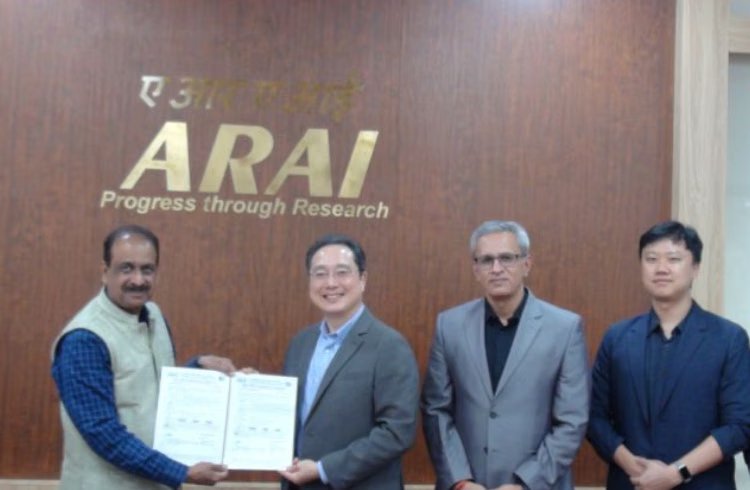
Hyundai Motor India Engineering has just been awarded two ARAI Confirmation of Compliance certificates – one for its Cybersecurity Management System (CSMS) under AIS:189, and another for its Software Update Management System (SUMS) under AIS:190. The approval covers the entire governance chain that safeguards a vehicle’s electronic architecture and the OTA update cycle across a model’s lifespan.
For a buyer, the real takeaway is that any Hyundai sold in India will now meet a national benchmark for cyber‑resilience and update reliability. In practice, that means fewer chances of a remote exploit and more confidence that a firmware patch will roll out without the owner having to visit a service centre.
Not many Indian OEMs have gone that far yet. Tata, Maruti and Mahindra have announced plans to align with ISO 21434, but only a handful have secured ARAI certification. Hyundai’s early compliance positions it ahead of the curve, especially as the government tightens rules on connected‑vehicle safety under the upcoming EV mandate slated for 2025.
The ARAI certifications also dovetail with the Ministry of Road Transport and Highways’ push for a “Digital India” automotive ecosystem. The regulatory framework now demands that manufacturers prove their cyber‑security architecture before vehicles can be sold. Hyundai’s proofs‑of‑concept, validated by ARAI’s senior directors, give the company a clear advantage in future procurement and fleet‑sales bids.
The certification becomes effective immediately, but the benefits will roll out gradually as newer models – such as the upcoming i20 EV and the NEXO hybrid – incorporate the proven CSMS and SUMS frameworks. Enthusiasts and fleet managers should keep an eye on the OTA rollout calendar, as timely security patches are becoming a differentiator in a market that is still learning to trust over‑the‑air updates.