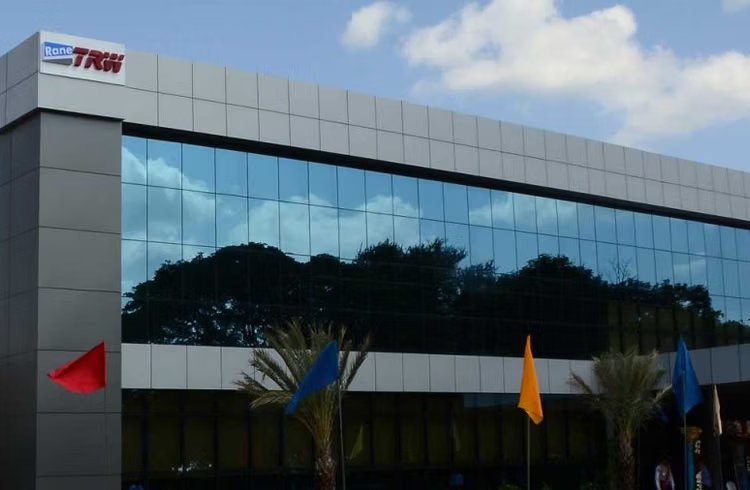
Rane Group, the holding company behind the Rane Group of companies, just earned a CRISIL AA‑ rating on its ₹105 crore long‑term loan facilities, as disclosed in a stock‑exchange filing on April 12, 2024. The rating, a notch below the top tier, reflects a stable debt profile and a solid track record of servicing obligations.
The ₹105 crore package is split into ₹81.84 crore of proposed term loans and ₹18.16 crore of term loans from Bajaj Finance, with an additional ₹5 crore working‑capital demand loan from HDFC Bank. A further ₹5 crore is earmarked for a short‑term working‑capital facility, bringing the total short‑term exposure to ₹5 crore.
In the automotive component arena, Rane sits alongside giants like Bosch, Denso, and Delphi. Unlike those multinationals that rely heavily on overseas financing, Rane’s domestic credit rating gives it a competitive edge in securing contracts for brakes, suspension parts, and power‑train components—especially as Indian automakers ramp up EV production.
The new rating arrives against the backdrop of the Indian Ministry of Heavy Industries’ 2023 EV mandate, which pushes a 30% EV share by 2025 and offers incentives for local component manufacturing. A robust credit rating helps Rane tap into the rising demand for EV‑specific parts, such as regenerative braking systems and high‑strength aluminum alloys, and positions it to win larger OEM contracts.
For the average EV buyer, the ripple effect is subtle but real: a credit‑worthy supplier means fewer supply chain hiccups, steadier component availability, and potentially lower warranty costs. If Rane can secure more OEM deals, its parts will appear on newer models from Tata, Maruti, and Mahindra, giving owners peace of mind that the parts they rely on are backed by a financially secure manufacturer.
The rating announcement was made on April 12, 2024, and the next big milestone for Rane is its planned expansion of the Hyderabad plant, expected to start by Q3 2025. Watch for the company’s quarterly earnings reports and any new financing rounds, as these will signal how it intends to leverage its improved credit standing to scale up production for the burgeoning EV market.