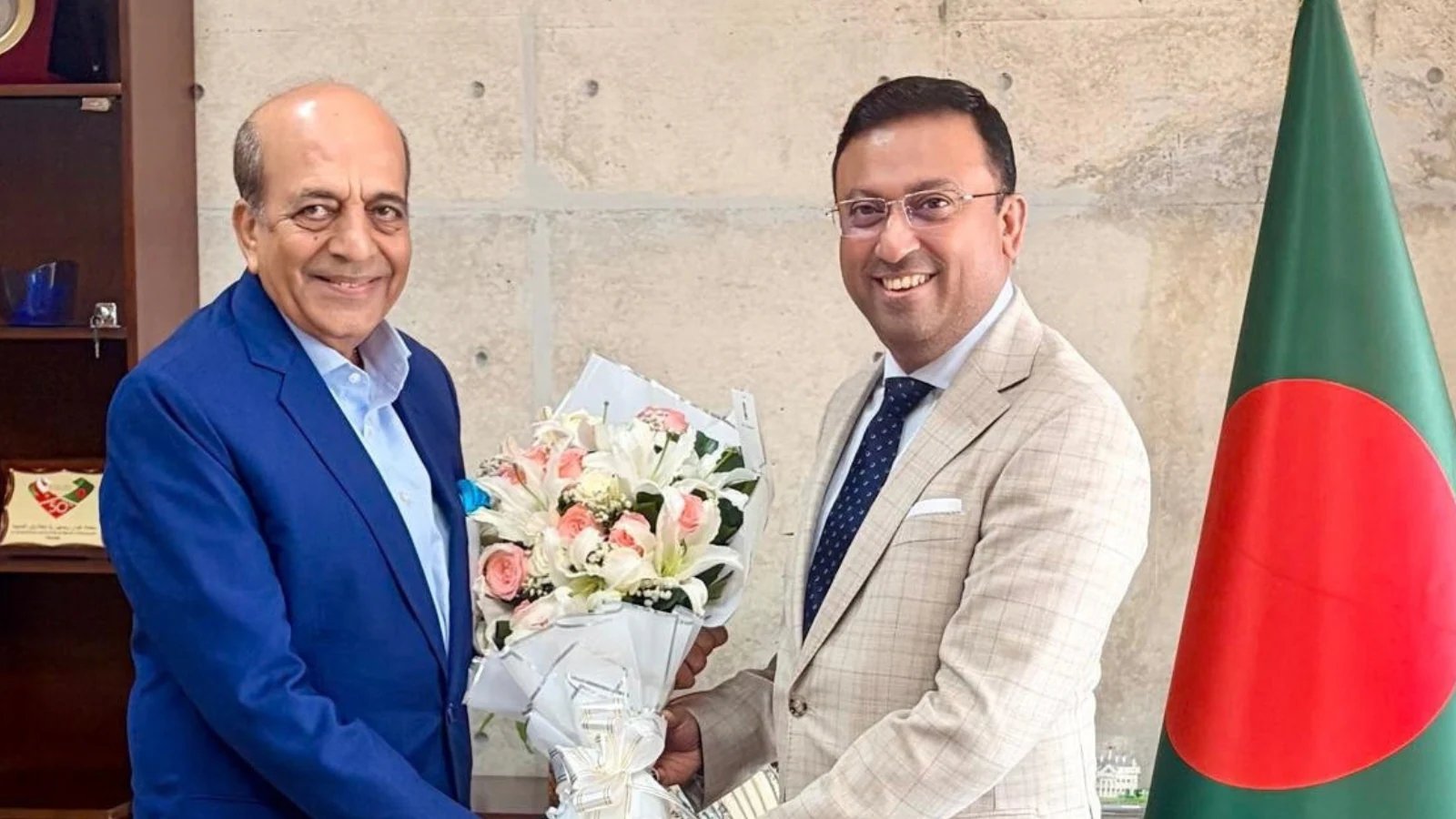
On September 29, 2026, India’s High Commissioner to Bangladesh, Dinesh Trivedi, sat across from Bangladesh’s Minister of State for Foreign Affairs Humayun Kobir in Dhaka. They exchanged congratulations on Kobir’s new appointment and sketched a roadmap for deeper cooperation. The meeting, billed as a “courtesy encounter”, hinted at a thaw in a relationship that had cooled after last year’s diplomatic spat.
The rift traces back to August, when Sheikh Hasina addressed a media event organised by the Foreign Correspondents Club of South Asia in New Delhi. Bangladesh’s leadership took offence at comments that were perceived as a critique of local politics, prompting Rahman’s aides to advise against a trip to India. India denied any role in the incident and said it had no endorsement of the remarks.
Meanwhile, Tarique Rahman is on a tight itinerary. He’s slated to fly to Japan, Saudi Arabia and later to Turkey for the 31st UN Climate Change Conference (COP31). Bangladesh hopes to join the Mecca Pact, a move that could bring it closer to the Gulf’s economic bloc.
A new chapter may begin with Asad Alam Siam’s assumption of the Indian High Commissioner post next month. His arrival could pave the way for a November meeting in New Delhi, where the two prime ministers would finally sit down after months of hesitation.
If the talks proceed as planned, Rahman’s visit could open the door to a boost in trade and investment, with both sides keen on expanding bilateral ties. The next milestone will be the formal announcement of the November itinerary in the weeks ahead.