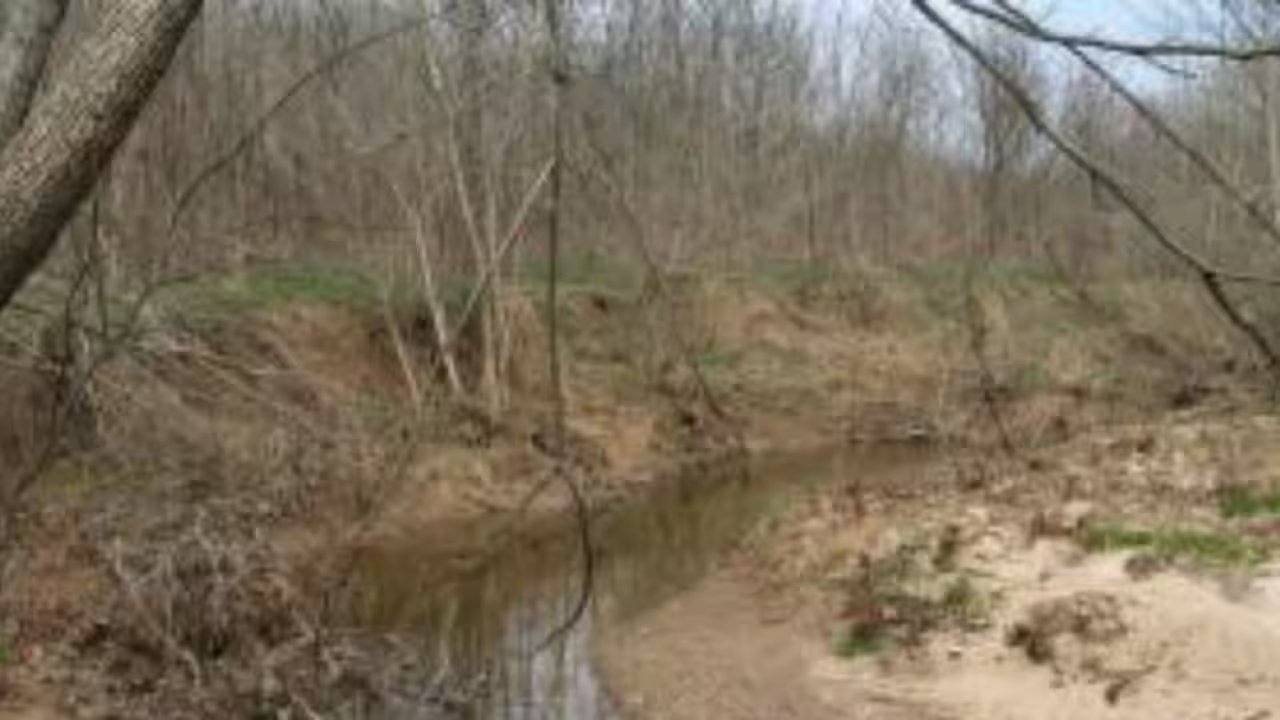
Reising’s 100‑acre parcel, bought in 1995, sits just upstream of Kinkaid Lake, a reservoir that feeds roughly 30,000 people in southern Illinois. After working as a fleet manager for the Collinsville Recreation District, he turned the former crop field into a patchwork of prairie, cover crops and wildlife plots, aiming to rebuild soil and halt the creek’s rapid erosion.
The creek that runs through Reising’s land is a micro‑slice of a watershed that the U.S. Forest Service estimates loses 39,000 tons of soil yearly, with 35,000 tons ending up in the lake. That sediment not only lowers the lake’s storage capacity but also muddies its water, a problem that the Illinois Environmental Protection Agency has highlighted in several watershed assessments.
To stop the flow of loam, Reising collaborated with the Natural Resources Conservation Service to install stream barbs—wooden or plastic structures that redirect and slow water along vulnerable banks. The project also layers prairie grasses that anchor the soil, and the EQIP program provides both technical guidance and financial aid for these practices.
Reising’s work is one thread in a larger tapestry of restoration that includes private landholders, the Illinois Department of Natural Resources and the Shawnee National Forest. The Forest Service’s current research is evaluating how these local interventions ripple downstream in water quality and lake health, while the EPA’s sedimentation projects continue to target gully and shoreline erosion across the 41,000‑acre watershed. Through 2028, the federal EQIP grant will keep the stabilization machinery humming, ensuring that the lake’s supply remains safe for the region’s 30,000 residents.