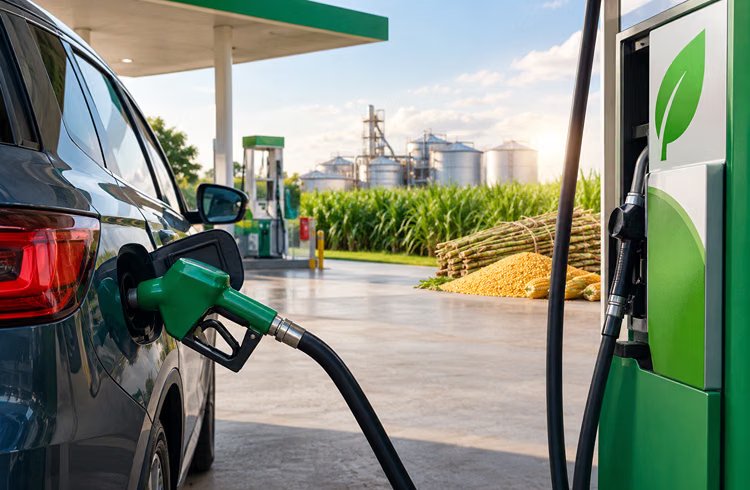
For a buyer eyeing a new car, the headline means one thing: the fuel you’ll fill up might soon cost less and be greener. India’s push for a 30‑percent ethanol blend—E30—implies that the next generation of flex‑fuel cars will run on a higher share of bio‑ethanol, potentially slashing the price per litre and cutting CO₂ emissions.
The country already hit the E20 mark last year, a milestone that saw ethanol become part of the fuel mix nationwide. But that level reached its limits; the industry now looks at E30 as a way to squeeze more ethanol out of the supply chain without a major overhaul of vehicles. Automakers are already testing engines that can handle the higher blend, and OMCs report that dispensing infrastructure can be upgraded with modest investment.
Brazil is the benchmark here. That country has long sold E85 flex‑fuel cars, and its drivers enjoy up to 10‑15% cheaper fuel bills. Indian automakers are watching closely, noting that a 30‑percent blend would sit comfortably between E20 and Brazil’s E85, offering a middle ground that balances performance with fuel savings.
There are technical hurdles, though. Higher ethanol levels can increase fuel volatility and reduce engine power slightly, which means buyers might notice a dip in acceleration or a small uptick in fuel consumption on long drives. Manufacturers are tackling this by tweaking injection timing and using more robust fuel‑system materials.
Policy support is also on the table. AIDA, the All India Distillers’ Association, is lobbying for clearer guidelines on blending levels and for incentives that keep distilleries profitable. If the government adopts a supportive pricing framework, the cost of ethanol could rise, nudging consumers toward the lower‑priced blends.
For the next few years, buyers should watch the rollout of flex‑fuel cars that advertise E30 compatibility. Early adopters will benefit from a cheaper litre and a broader choice of models, while vendors will have to ensure that stations can handle the higher ethanol mix. The big question remains: when will the first E30‑ready car hit the lot, and how will the market react to the new fuel economics?