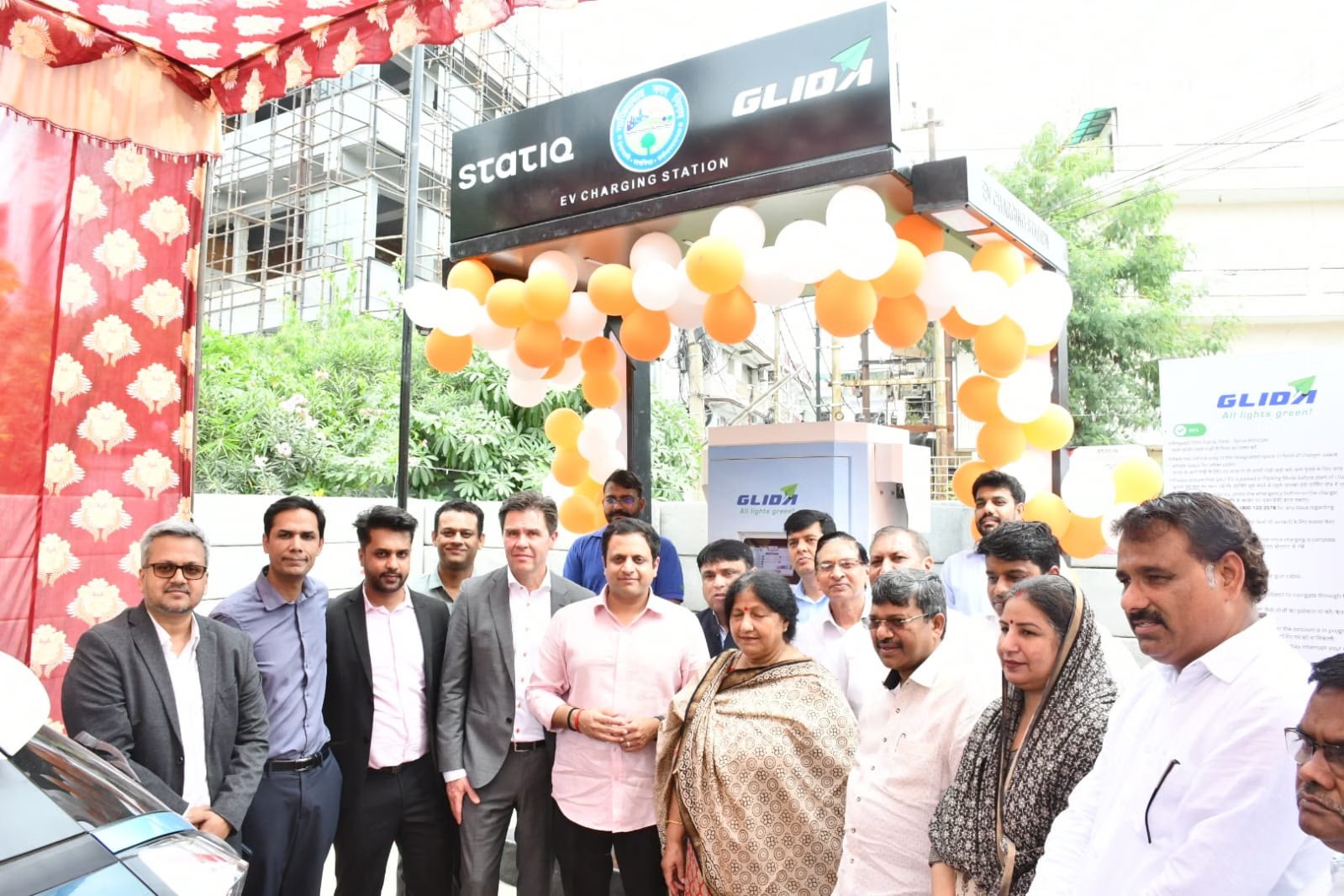
The first 100 charging points have just opened in Ghaziabad, giving city dwellers a new, inexpensive option to power their electric vehicles. And the move isn’t just a handful of plugs on a curb – it marks the start of a 20‑station rollout that could cover the entire municipal area.
Under a public‑private partnership, the municipal body supplies the land while Statiq and GLIDA build and operate the stations. So the cost to the average driver is expected to stay nominal – a few rupees per kWh – which is a big win in a market where charging fees can be a barrier.
How does this stack up against the rest of the country? Delhi has already rolled out more than 800 public chargers, while Gurgaon is pushing about 50. Ghaziabad’s 100‑point launch sits comfortably in the middle, offering a dense network for commuters without the scale of the national capital.
The move also dovetails with Uttar Pradesh’s EV policy, which promises duty exemptions and tax rebates for electric vehicles. For buyers, that means a lower total cost of ownership and a growing ecosystem of charging points that makes daily commutes a lot less stressful.
Looking ahead, the remaining 19 stations are slated for installation over the next 12–18 months, with the full network expected by the end of 2027. Keep an eye on how the city partners with other charging operators and whether the nominal pricing is maintained as the network expands.