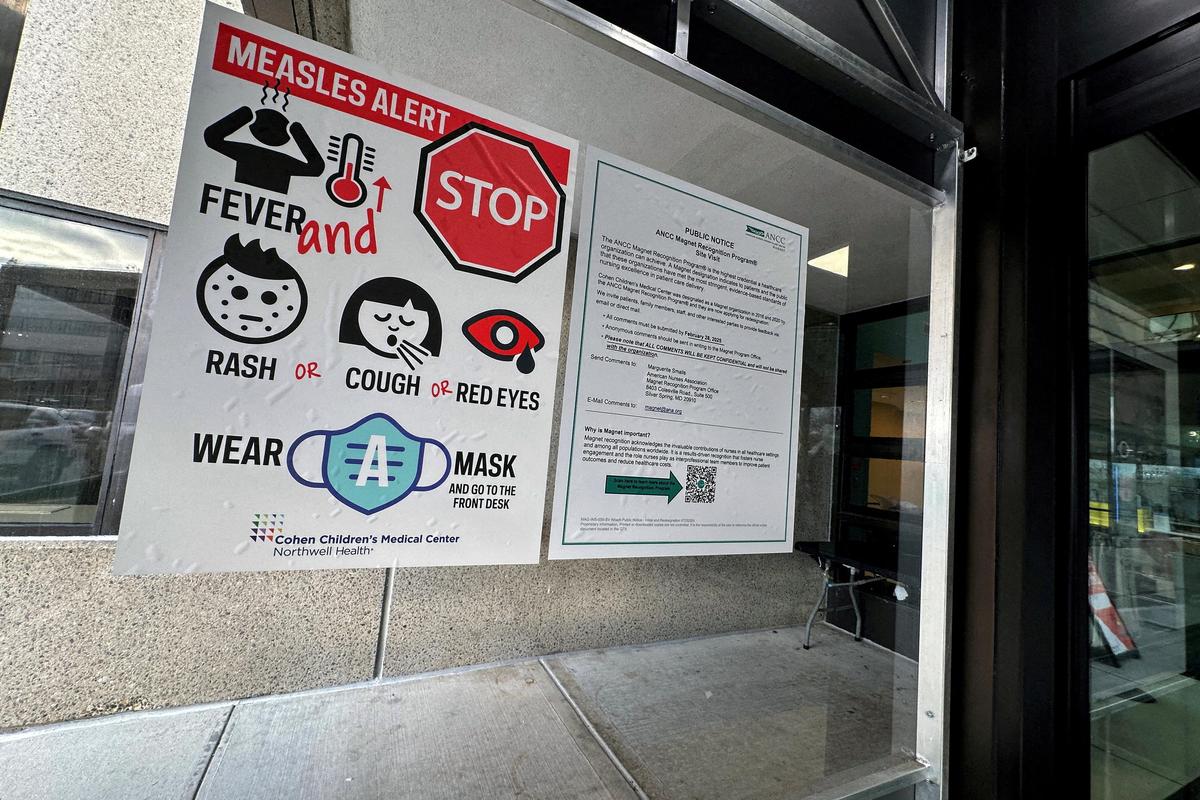
A child in rural northern New York has died from measles. The fatality, confirmed Monday by state health authorities, marks New York's first death from the preventable viral illness in 30 years. The tragedy strikes amid the worst measles resurgence across the United States in 35 years—driven by a steady erosion in routine childhood immunizations.
Governor Kathy Hochul confirmed the child died in Lewis County, a rural pocket roughly 93 miles north of Syracuse. The loss cuts deep. The United States eliminated domestic transmission of the pathogen in 2000 through disciplined, wide-scale vaccine drives. Yet coverage has slipped below the 95 percent threshold required to wall off communities from explosive flare-ups. Hochul called the death "a devastating reminder of what's at stake when Washington deliberately erodes decades of progress in protecting Americans from preventable illnesses."
Federal surveillance figures show the pathogen moving swiftly through unshielded populations. Since 2026 began, the Centers for Disease Control and Prevention has logged 2,318 confirmed measles infections nationwide. Measles—an airborne respiratory virus also known clinically as rubeola or morbilli—spreads through coughs, sneezes, and lingering microdroplets. It attacks the respiratory tract before triggering high fevers, distinctive red rashes, and life-threatening swelling in the lungs and brain.
Tallies of the dead continue to diverge between federal monitors and local authorities on the ground. The CDC has confirmed three measles-associated deaths across the country this year. But state health departments count more. Pennsylvania health officials have recorded five measles fatalities this year alone and are currently investigating a suspected sixth.
New York moved to erect administrative barriers against the virus weeks before the Lewis County fatality. Hochul declared a statewide disaster emergency in early October as cases ticked upward across upstate communities and neighboring state borders. That order dismantled traditional bureaucratic bottlenecks around primary care clinics.
Under the emergency directives, New York authorized paramedics, midwives, and licensed emergency personnel to administer measles shots directly to residents. The state also empowered registered nurses to order diagnostic testing alongside physicians, eliminating waiting periods for suspected exposures. Health officials urge parents in rural counties to review family vaccination cards immediately and consult local clinics to ensure children have received their complete two-dose measles inoculations.