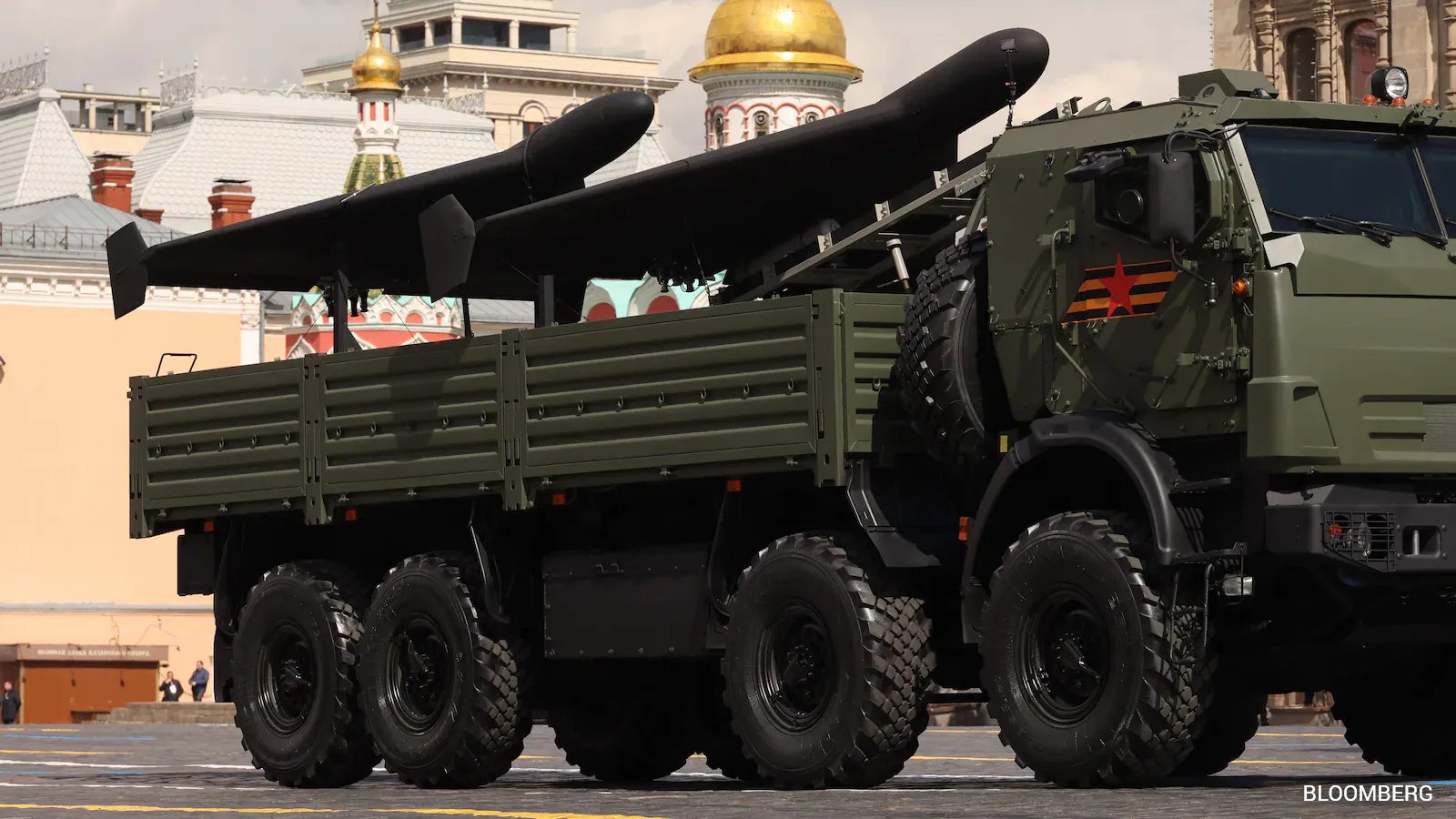
In Alabuga, a cluster of drone‑assembly lines hums under the guise of a student visa program, a ruse that lets North Korean technicians cross borders without attracting sanctions enforcement. Workers clock in roughly 7,500 USD a year, but the regime seizes the bulk of that haul—often surpassing the wages earned—leaving the laborers with a fraction of a salary that barely covers expenses. The diversion is not limited to the workforce; every drone that takes flight carries the weight of a clandestine financial lifeline to Pyongyang.
Russia’s war on Ukraine has strained its economy, prompting Moscow to turn to external labor markets for critical components. The UN Security Council’s sanctions on North Korea have repeatedly been sidestepped by the regime’s tight control over its citizens abroad, a loophole that Russia now exploits. The Multilateral Sanctions Monitoring Team, led by U.S. officials and joined by South Korea and Japan, flagged this network in a report released Wednesday.
The $800 million siphoned last year feeds the Kim regime’s nuclear and ballistic missile programmes, directly contravening 10 UN resolutions that forbid such development. In response, the U.S. and its 11‑nation partners plan to widen sanctions to target the Russian firms that supply components and the logistics channels that move the drones. The move signals a broader crackdown on the Russia‑North Korea nexus that has expanded beyond weapons to include industrial labor.
For the workers, the cost is stark. A technician in Alabuga reports that his monthly wage—about 625 USD—carries little value once the regime claims the rest, leaving him to send whatever remains to a sister back in Pyongyang who faces the threat of reprisals if he defects. The reality of these clandestine operations underscores the human toll of a geopolitical chessboard that prioritises state finance over individual livelihoods.