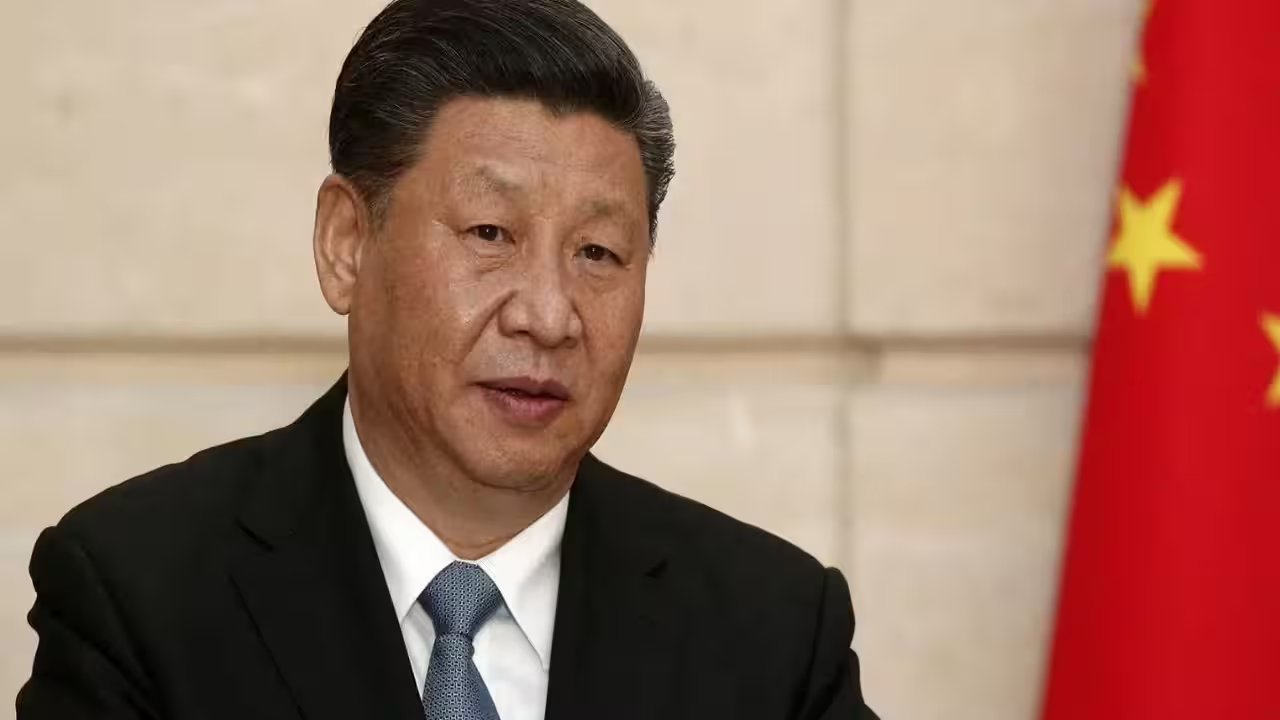
Guo Jiakun flatly dismissed the House‑passed legislation, labeling it "unlawful interference" and insisting that bilateral trade should remain free from third‑party coercion — a stance that reverberated across the Asian diplomatic corridor.
The bill, approved 262‑159 in the House after a Senate vote last month, empowers President Trump to slap a 100% tariff on the five largest importers of Russian oil or natural gas, provided those imports exceed 15% of Russia’s exports. It targets the biggest buyers, including China and India, and offers an exemption for nations that cut their purchases below the threshold.
Beijing’s energy portfolio is heavily tied to Russian supplies: last year’s imports reached roughly $64 billion, with January‑to‑August figures already topping $70 billion. Most of this cargo traverses pipelines skirting the Sino‑Russian border, a lifeline that underpins Beijing’s refinery network and fuels its industrial base.
New Delhi, echoing Beijing’s skepticism, released a statement saying it will "monitor developments" and "protect its trade and economic interests". The ministry added that it has already discussed the bill’s implications with US officials and will work closely with Indian trade bodies to mitigate any fallout.
The bill now awaits President Trump’s signature, a move that could trigger diplomatic protests and force the United Nations Security Council to weigh in. Beijing remains poised to challenge any unilateral enforcement that it deems a breach of international law.