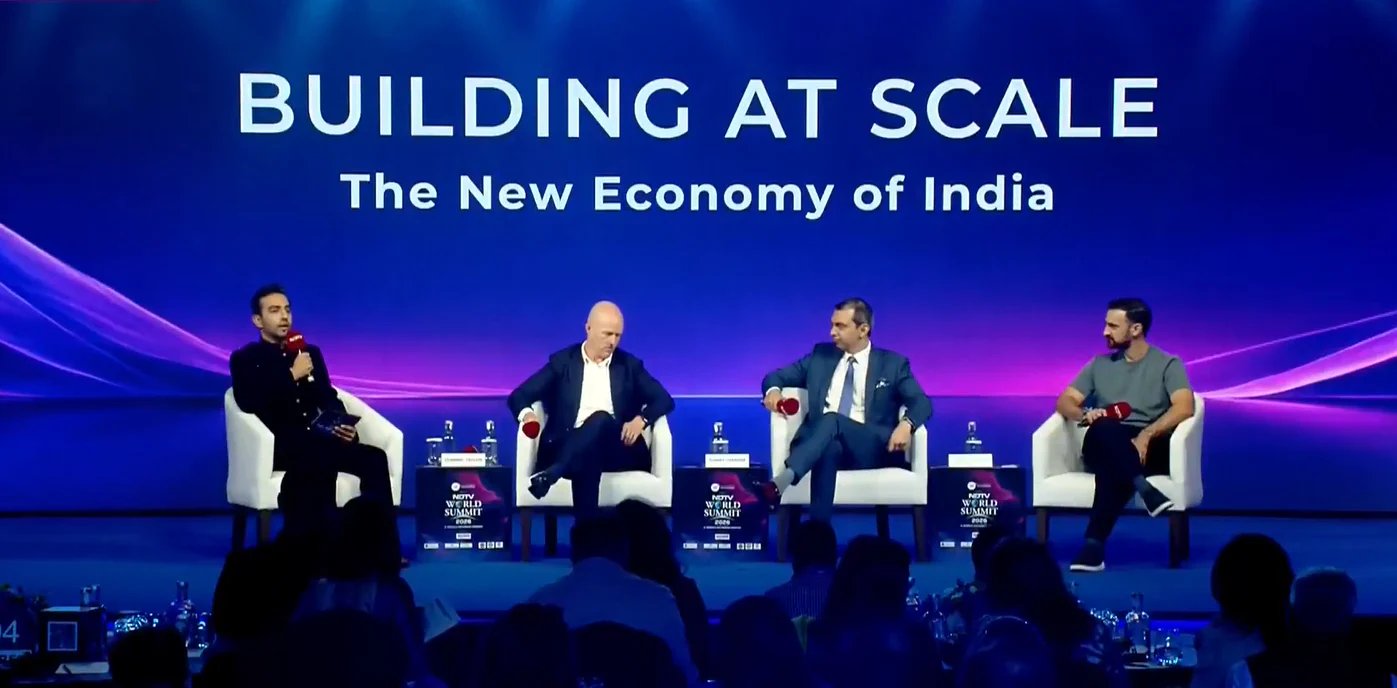
Microsoft India President Puneet Chandok opened the session by noting that Microsoft Foundry now hosts 11,000 AI models, with 30 new models launched in the first nine months of 2026—an explosion that forces firms to craft their own competitive advantage.
Chandok urged that India focus on applying AI to local contexts, citing examples of village‑level tutoring, tele‑health doctors and small‑shop financial advisors as practical uses of the technology.
Nothing co‑founder Akis Evangelidis highlighted that 99% of smartphones sold in India are manufactured locally and that the company plans to shift 70% of its R&D and software development to Indian labs, targeting hardware, design and embedded software.
Uber’s Dominic Taylor explained how the company’s growth in India hinged on price‑sensitive markets, moving from premium car rides to auto‑rickshaws and motorbikes, and integrating services with major metro systems to expand reach.
Taylor added that Uber is still negotiating with over 20 partners on autonomous vehicle trials, but no concrete deployment timeline has been set.
The three leaders agreed that the next fiscal year will see Microsoft launching a localized AI platform, Nothing expanding its domestic software stack, and Uber scaling its auto‑rickshaw network to Tier‑2 cities.