If you’re eyeing a car in 2029, the new BS7 norms will mean that the battery in your EV must keep at least 75 % of its original usable capacity after five years or 100,000 km, whichever comes first—an upgrade over the 2020 BS6 rules.
Brake dust is getting a new hard line: from 2031, conventional ICE and hybrid cars will have to keep brake particulate emissions below 7 mg/km, while pure electric vehicles already have a 3 mg/km cap that will stick for all powertrains by 2035.
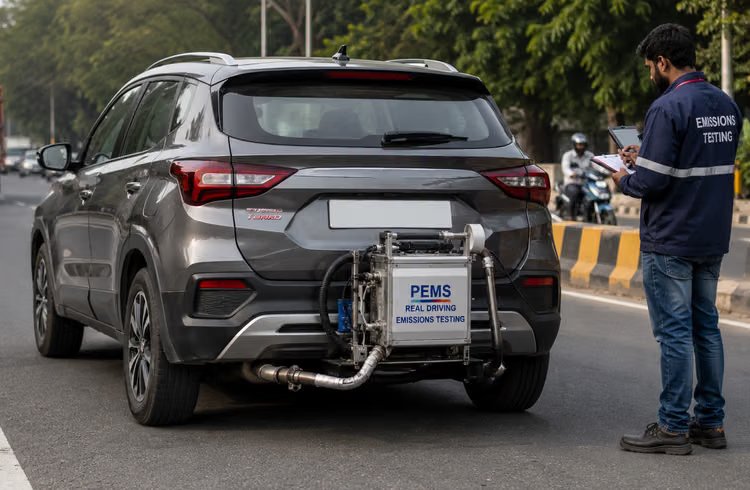
Real‑world testing moves up the ante. Vehicles will have to hit a conformity factor of 1.0 for NOx and particle numbers during on‑road tests from 2030, eliminating the 43 % lab‑to‑road leeway that existed under BS6.
Onboard monitoring systems will be mandatory, logging fuel or energy use and, in later phases, transmitting data over the air. Each car will also carry an Environmental Vehicle Passport detailing emissions, consumption and, for EVs, battery health.
India’s jump from BS4 in 2017 to BS6 in 2020 skipped BS5 entirely, a move that forced manufacturers to overhaul engines and exhaust systems. BS7 keeps the same NOx limits—60 mg/km for petrol and 80 mg/km for diesel—but tightens particle counting to 10 nm and adds new categories of pollutants for commercial vehicles.
The rollout is staged: passenger cars hit BS7 in April 2029, with stricter phases in 2031 and 2035; light commercial vehicles follow in 2030, 2032 and 2035; medium‑heavy trucks and buses are slated for 2031, 2033 and 2035. Watch the calendar as the regulations roll out to understand when your next vehicle will be compliant.