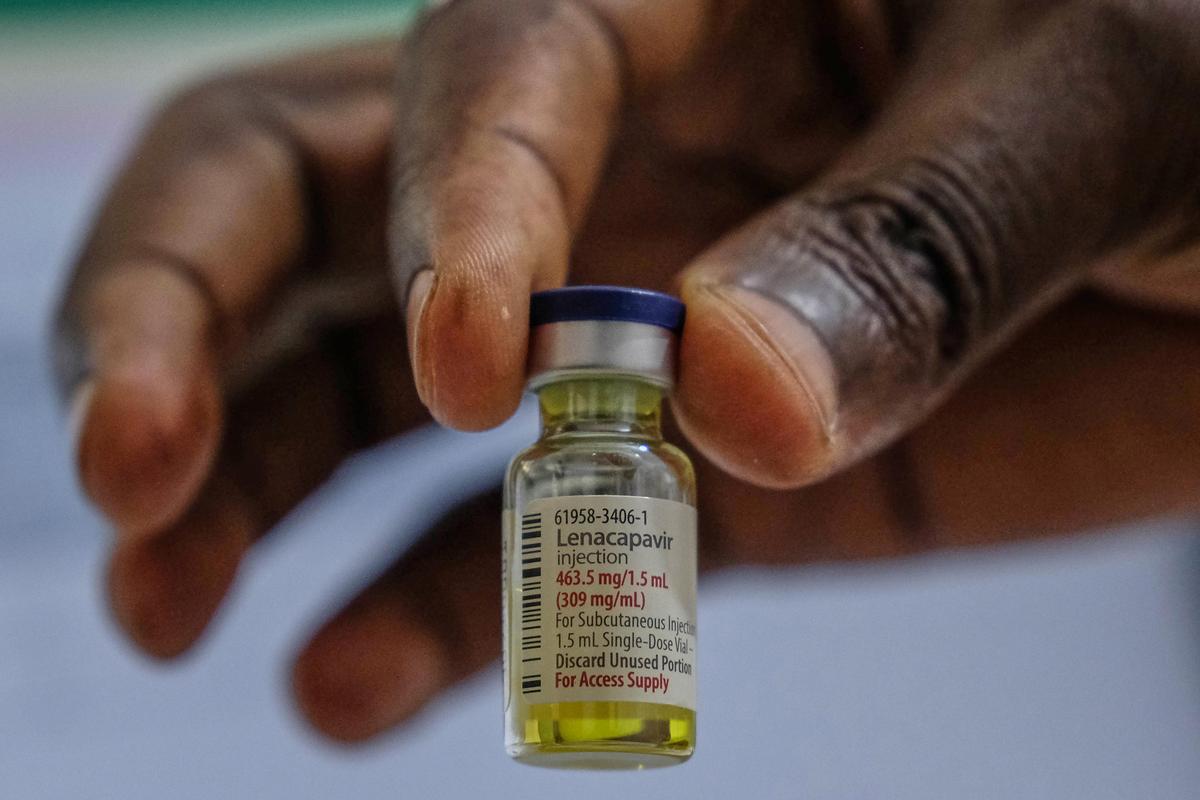
A twice-a-year injection that shields against HIV infection is about to reach millions across the developing world at a fraction of its Western cost. The US Food and Drug Administration has granted tentative approval to a generic version of lenacapavir developed by Hyderabad-based Dr. Reddy's Laboratories. Priced at just $40 a year per person, the shot matches the price of daily preventive pills while scrapping the need for strict day-to-day discipline. That changes everything. In clinical trials, the long-acting injection nearly eliminated new infections among high-risk groups, delivering sustained protection where daily pill routines often collapsed.
Built under a consortium brokered by Unitaid, the Clinton Health Access Initiative, and South Africa's Wits RHI, the partnership aims to flood 120 low- and middle-income nations with affordable doses. The global stakes remain severe. According to the World Health Organization, 41 million people live with HIV worldwide, and 570,000 died from virus-related complications last year alone. Missing a single daily preventive dose can open the door to infection. "With lenacapavir, we are much more hopeful," said Carmen Perez Casas, HIV lead at Unitaid, pointing to the protective power of sustained-release medication.
The financial disparity is staggering. In the United States, drugmaker Gilead Sciences markets its brand-name version, Yeztugo, at a list price of $28,218 a year before insurance. Because patent protections remain intact on American soil, the Indian generic cannot enter the domestic US market. Instead, the FDA cleared the drug under an international export evaluation mechanism created to verify the purity and potency of antiretrovirals distributed abroad. Gilead previously controlled the entire global supply chain but signed royalty-free licensing pacts last year with six generic producers across Asia, Africa, and Latin America. Dr. Reddy’s is the first among them to secure American regulatory clearance.
Yet rolling out an injectable preventive regimen carries precise medical requirements. Patients must clear an HIV test before every single injection. Administering lenacapavir to an individual with an undiagnosed, active HIV infection allows the virus to adapt, creating dangerous drug-resistant strains. "For any kind of PrEP … you need to have HIV testing in advance," said Saiqa Mullick, director of implementation science at Wits RHI, noting that clinics across low-income regions will rely on rapid diagnostic kits. Known side effects include site irritation, headache, and transient nausea.
Initial shipments could arrive at regional distribution centers within weeks, though local health ministries must still process domestic import permits before injections reach local arms. The immediate challenge now turns to global procurement funds. "Now, we need the funding to actually buy it for everyone who needs it and then we need to do the hard work of getting it to the millions of people who need it and want it," said Carolyn Amole, who leads the HIV programme at the Clinton Health Access Initiative. If health systems can scale distribution to reach 20 million people requiring pre-exposure prophylaxis, public health authorities say the global epidemic could finally begin to unravel.