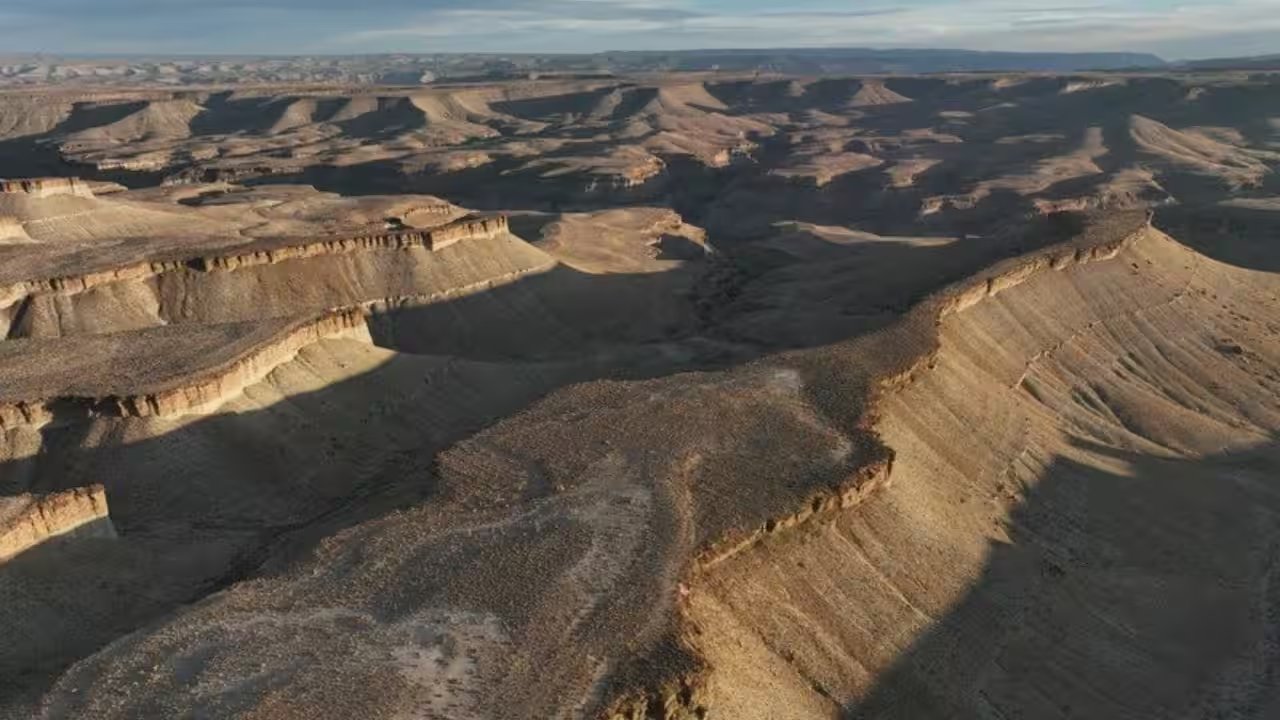
Nine Mile Canyon Coalition, Southern Utah Wilderness Alliance and Center for Biological Diversity filed a federal lawsuit on Oct 6 2026, challenging the Bureau of Land Management’s April 2026 approval of a Gate Canyon road widening that would blast 100‑foot cliff faces. The complaint lists 47 historic sites, 43 of which qualify for the National Register, including 19th‑century inscriptions by Buffalo Soldiers and axle‑grease marks from pioneer freighters.
The proposed 5.3‑mile corridor would replace a winding dirt track with a paved road, offering an alternative truck route to the Uinta Basin oil fields. Local residents fear that the increased truck traffic will expose the canyon’s fragile ecosystem to noise, dust and roadkill, especially for the threatened Mexican spotted owl.
The lawsuit alleges that the Bureau of Land Management approved the project without a full environmental review, violating the National Environmental Policy Act, National Historic Preservation Act, Endangered Species Act and Federal Land Policy and Management Act. It also claims the agency failed to consult the U.S. Fish and Wildlife Service on the potential impact on endangered species.
An earlier legal challenge in June 2026 by the Center for Biological Diversity had already warned that the route would act as an oil highway through Nine Mile Canyon, which houses more than 1,000 rock‑art sites and is dubbed the world’s longest art gallery.
The case is now before the U.S. District Court for the District of Utah, which will hold hearings on Nov 20, 2026, and decide whether to invalidate the BLM’s approval, potentially halting the construction of the widened road.