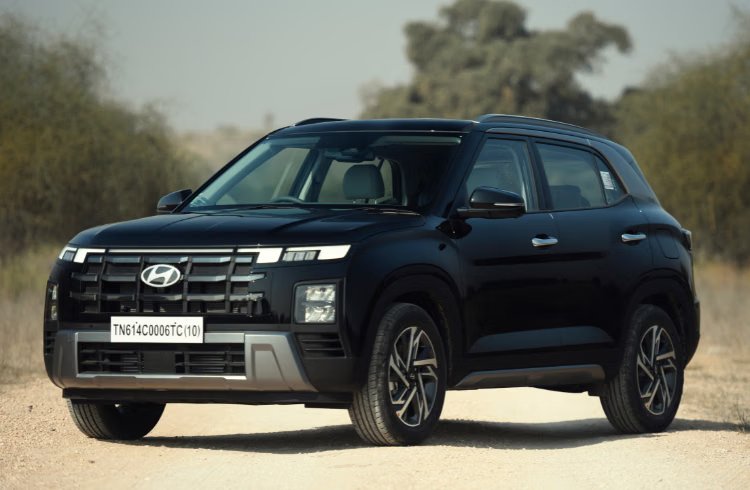
Hyundai Motor India’s latest earnings call revealed a bold forecast: sport‑utility vehicles will account for 75% of its domestic passenger car sales over the next 12–18 months. That’s a jump from 67% in the September quarter, and the company said the Bayon launch on October 26—priced at ₹9.99 lakh ex‑showroom—will help push the needle even further.
The Bayon slots neatly into Hyundai’s expanding SUV family, joining the Exter, Venue and Creta. It sits in the 5.5–8 lakh range where hatchbacks used to dominate, offering buyers space, tech and features without a premium price tag. The move is aimed squarely at the mid‑segment, a hot spot for Indian families.
SUV sales rose 12.6% year‑on‑year to 1,11,756 units, up from 99,220 last year, while hatchbacks leapt 41.3% to 31,956 units and sedans grew 24.8% to 22,060 units. Despite the surge in smaller cars, SUVs still lead, holding 67% of domestic volumes and now projected to hit 75%.
Rural markets were a big driver: they contributed 26.6% of Hyundai’s sales in the September quarter, and SUVs accounted for roughly 68–70% of those rural volumes. About 60% of new sales‑network additions are outside major cities, signalling a push to capture the growing demand in smaller towns.
SIAM’s data backs up the trend: utility vehicles made up 68% of India’s passenger‑vehicle wholesales in Q2 FY27, up 34.2% y‑o‑y. Hyundai’s strategy—more affordable SUVs, expanded reach and a focus on the rural‑urban mix—positions it to tap the broader shift that other brands like Tata, MG and Maruti are also chasing.
Hyundai will roll out the Bayon and other SUVs in the coming months, with a staggered launch starting in tier‑II cities by November. Buyers should watch the pricing of new variants and the rollout of the electric Bayon, which could change the competitive landscape in the near term.